


Why Steamed Is Supreme This Season
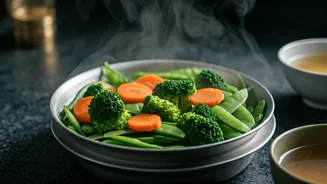
During the monsoon, our digestive system tends to become a bit sluggish. According to Ayurveda, the body's 'agni' or digestive fire is weaker, making it harder to process heavy, oily foods. This is where steaming shines. It’s a gentle cooking method that
makes food light and easy to digest. Steamed snacks retain more of their natural nutrients compared to fried alternatives, where high heat can destroy sensitive vitamins. Furthermore, the risk of water-borne illnesses increases during this season. Steaming uses high temperatures to cook food thoroughly, effectively killing most germs and making it a much safer bet than many street-side fried snacks that may use contaminated water or old oil.
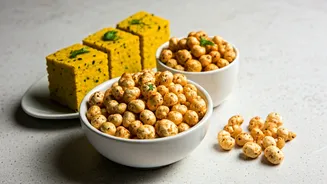
The Evergreen Classic: Dhokla
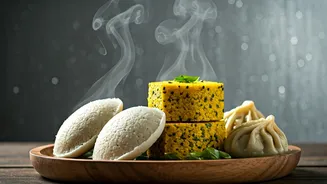
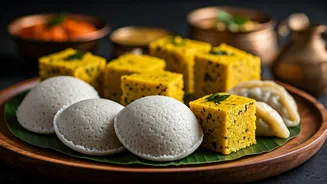
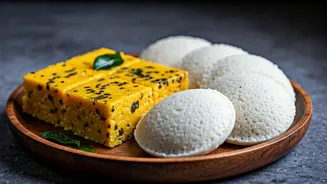
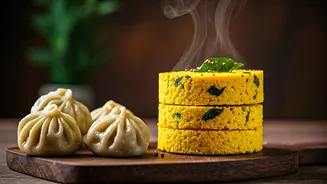
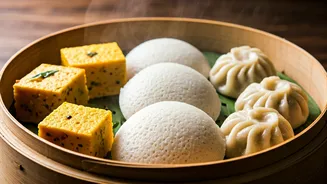
It’s impossible to talk about steamed snacks without mentioning this Gujarati superstar. Made from a fermented batter of gram flour (besan) or rice, dhokla is spongy, light, and incredibly flavourful. The fermentation process not only gives it that signature airy texture but also increases its nutritional value, making it rich in probiotics that are great for gut health. A simple tempering of mustard seeds, curry leaves, and green chillies drizzled on top adds a burst of flavour. It’s a perfect tea-time snack that satisfies cravings without leaving you feeling heavy or bloated.
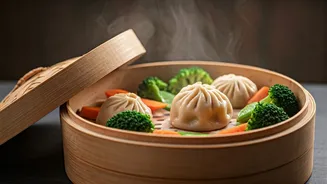
The Himalayan Hug: Momos
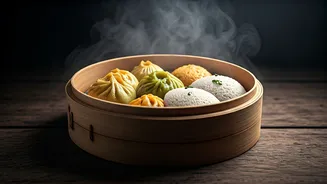
Whether filled with minced chicken, paneer, or a medley of finely chopped vegetables like cabbage and carrots, momos are the ultimate comfort food on a rainy day. These delicate dumplings, originating from the Himalayan regions, have become a nationwide sensation for a reason. When steamed, the outer wrapper becomes soft and translucent, encasing a juicy, flavourful filling. Paired with a fiery red chilli chutney, they offer a perfect balance of spice and subtlety. They are a complete snack, providing protein and carbs in one delicious parcel, making them both satisfying and relatively healthy.
The Leafy Wonder: Patra
Another gem from Gujarati cuisine, patra (or alu vadi in Maharashtra) is a masterful creation. Colocasia (arbi) leaves are layered with a spicy and tangy gram flour paste, rolled up, and steamed to perfection. The rolls are then sliced into pinwheels and can be eaten as is or lightly sautéed with sesame and mustard seeds for an extra crunch. The combination of earthy leaves with the sweet, spicy, and sour notes of the filling is a culinary delight. It’s a fantastic way to incorporate greens into your snack time, packed with fibre and flavour.
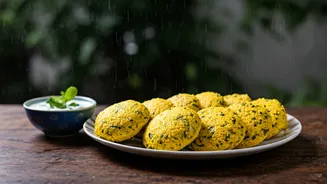
The South Indian Staple: Idli
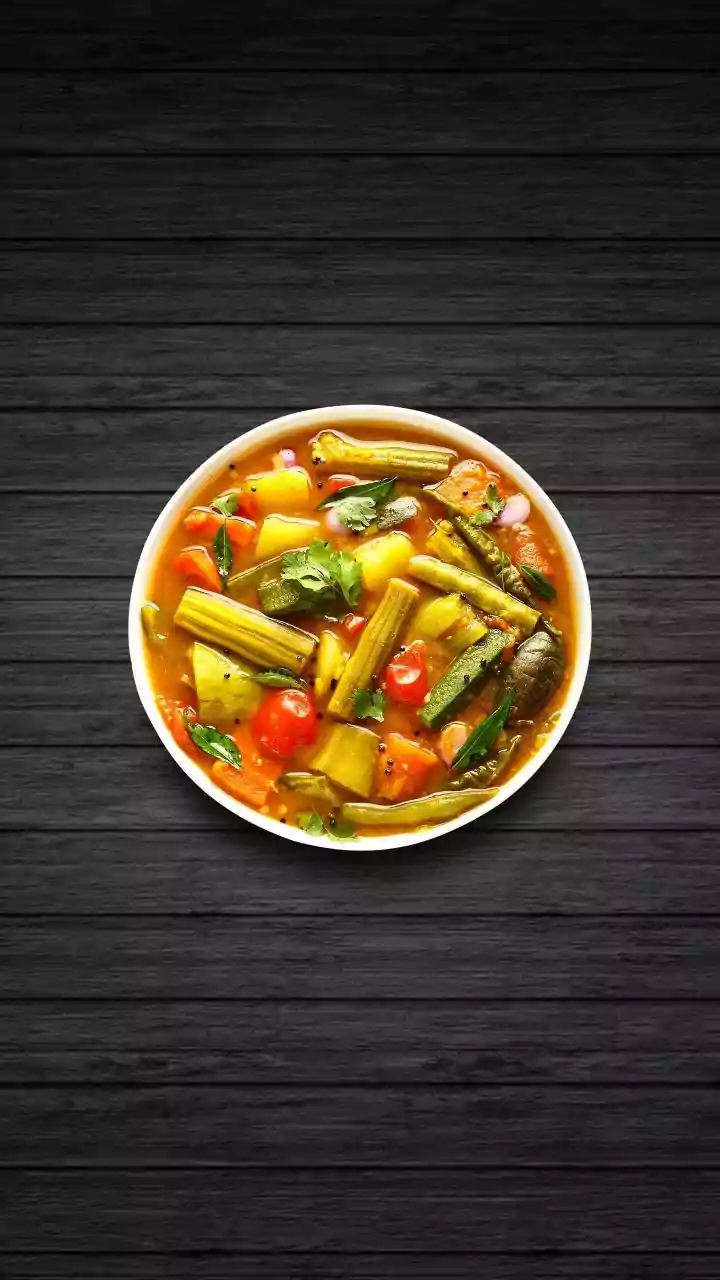
Often seen as a breakfast dish, the humble idli is a fantastic monsoon snack. These soft, fluffy steamed cakes are made from a fermented batter of rice and urad dal, making them a powerhouse of protein and carbohydrates. They are incredibly light on the stomach and easy to digest, checking all the boxes for a monsoon-friendly food. While traditionally served with sambar and chutney, you can give them a snack-time twist by preparing 'masala idli'—sautéing leftover idlis with onions, spices, and curry leaves for a quick and zesty treat.
The Coastal Delight: Kozhukattai
Popular in South India, especially Kerala and Tamil Nadu, kozhukattai are steamed rice flour dumplings with a sweet or savoury filling. The sweet version, often filled with a mixture of grated coconut and jaggery scented with cardamom, is a warm and gooey delight that feels like a hug in a bite. The savoury versions can be filled with spiced lentils or vegetables. The outer shell of rice flour is neutral, allowing the flavourful filling to be the star. It's a wholesome snack that provides instant energy and is perfect for satisfying sweet cravings on a cold, rainy evening.