



The Three Golden Rules of Shopping
Before diving into specific vegetables, adopting a few key habits can dramatically extend the life of your produce. First, shop with a plan. It's tempting to grab items on sale, but overbuying is a primary cause of spoilage. It's often better to make
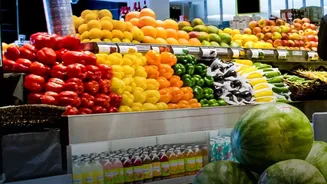
smaller, more frequent trips to the grocer or sabzi mandi two or three times a week. Second, engage all your senses. Don’t just shop with your eyes. The best produce feels firm, smells fresh, and is heavy for its size. A shiny, perfectly uniform vegetable isn't always the most flavourful. Minor imperfections are often a sign of natural, tasty produce. Third, be wary of packaging. While convenient, pre-cut or tightly wrapped vegetables often have a shorter shelf life once opened and can trap moisture, leading to faster decay. Whenever possible, choose loose vegetables so you can inspect them yourself.
Leafy Greens and Fresh Herbs
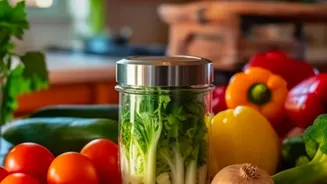
For staples like spinach (palak), coriander (dhaniya), and fenugreek (methi), freshness is fleeting. Look for vibrant, deep green leaves without any signs of yellowing or browning. The stems should be crisp and the leaves should look perky, not wilted or slimy. Avoid bunches with excess moisture trapped in the bag, as this accelerates decomposition. When you get them home, wrapping them in a paper towel before placing them in a bag in the refrigerator can help manage moisture and add days to their life.
Root Vegetables That Go the Distance
Onions, potatoes, garlic, and ginger are pantry workhorses, but choosing well is key. They should all feel very firm and heavy for their size, with dry, papery skins. Avoid any that are soft, have sprouted, or show signs of mould or dark spots. Potatoes should be stored in a cool, dark, and dry place, not the refrigerator, as cold temperatures can convert their starch to sugar and affect the flavour and texture. A good potato should be smooth and firm, with no green tinge, which indicates exposure to light.
Your Everyday Favourites
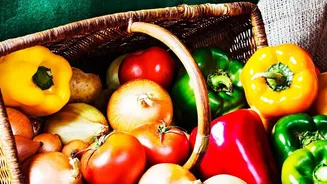
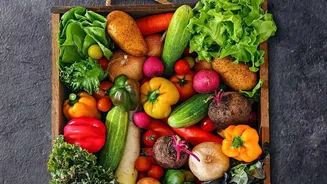
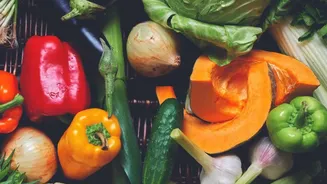
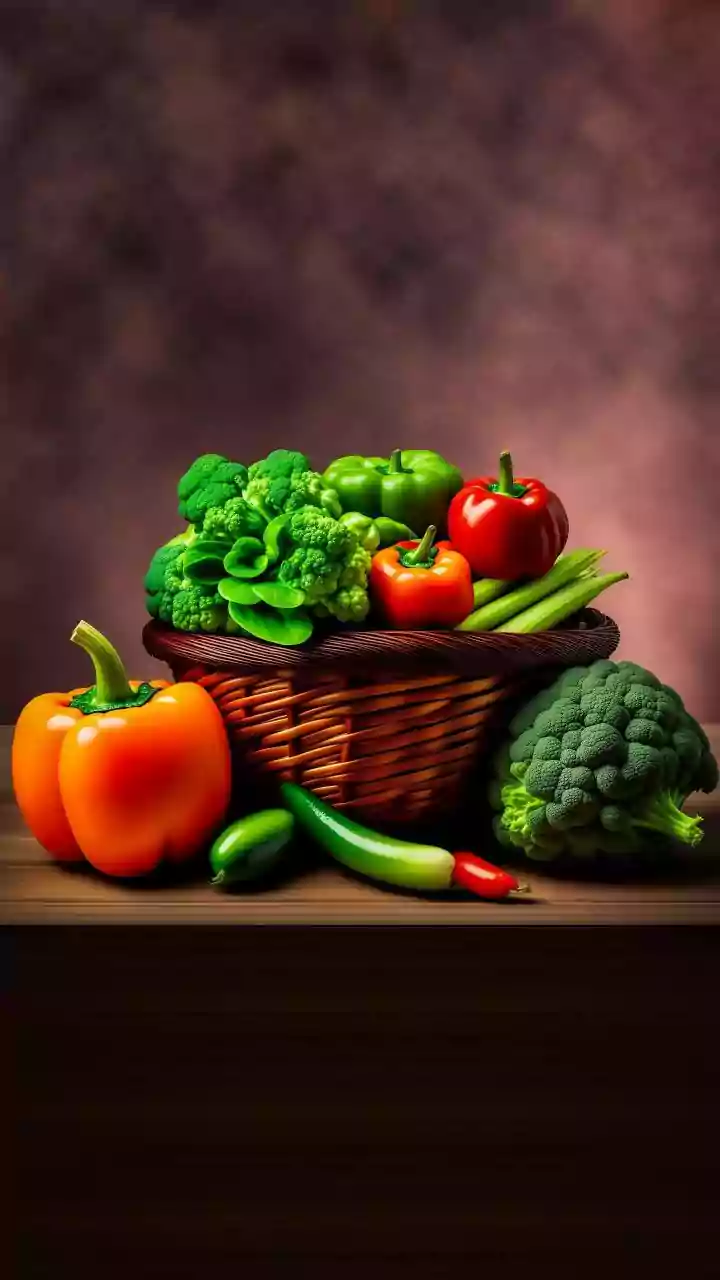
Tomatoes, a cornerstone of Indian cooking, are best chosen with care. Look for ones with smooth, unwrinkled skin and a vibrant, consistent colour. A ripe tomato will feel firm but not hard, and it should have a sweet, earthy fragrance near the stem. If they are too firm, you can let them ripen on your kitchen counter for a day or two. For cucumbers, choose firm, dark green ones without soft spots or yellowing. Bell peppers (capsicum) should be glossy, firm, and heavy for their size, indicating thick, juicy walls.
A Guide to Common Indian Sabzis
Many traditional Indian vegetables have their own rules. When buying okra (bhindi), look for slender, bright green pods that are firm to the touch but not hard. You can test one by snapping the tip; if it breaks cleanly, it’s fresh. Avoid bhindi with blemishes or dark spots. For bottle gourd (lauki), select one that feels heavy for its size with smooth, pale green skin. Gently press it; it should be slightly soft, not rock hard, which indicates it's tender. A hollow sound when tapped is also a good sign. When choosing bitter gourd (karela), look for firm, green pods without blemishes or signs of yellowing, which suggests it is overripe.