




The Rhythmic Machine: Understanding Rowing
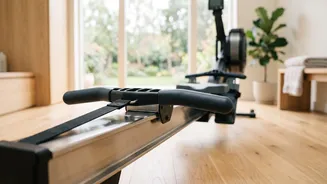
The indoor rower is often called the most effective piece of cardio equipment for a reason: it delivers a powerful, full-body workout. A single, fluid stroke engages an estimated 86% of your muscles, making it remarkably efficient. The movement is a coordinated
sequence: the power originates from a strong leg drive (contributing about 60% of the effort), is transferred through a braced core, and finished with a pull from the back and arms. This makes it a comprehensive tool for building both cardiovascular endurance and muscular strength simultaneously. Primarily, rowing targets the quadriceps, glutes, hamstrings, latissimus dorsi (lats), and core. Because the exercise is performed while seated, it is famously low-impact, placing minimal stress on the joints, which is a significant advantage over activities like running.
The Art of Movement: Deconstructing Dance
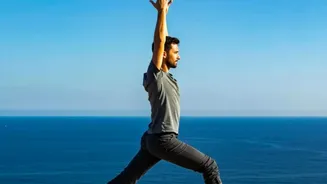
Dance isn't a single activity but a vast category of movement styles, from the structured discipline of ballet to the explosive energy of street dance. Unlike the repetitive, single-plane motion of rowing, dancing involves moving the body through multiple planes of motion: side-to-side, rotational, and everything in between. This variety is its greatest strength. Dance is exceptional for developing skills that a machine cannot teach, such as balance, coordination, spatial awareness, and agility. Every style targets muscles differently. Ballet builds incredible strength in the core, legs, and feet, while improving flexibility. High-intensity styles like tap or commercial dance act as powerful cardio workouts. The constant need to learn choreography and react to music also provides significant cognitive benefits, with some studies linking frequent dancing to a reduced risk of dementia.
Cardio and Calorie Burn: A Head-to-Head Look
When it comes to pure calorie burn, the answer is often intensity-dependent. Vigorous rowing can burn between 400 and 700 calories per hour. The exact number depends on your effort and body weight. High-intensity dance styles can rival or even exceed the calorie burn of other aerobic activities like running or swimming. A 30-minute session of moderate rowing may burn around 300 calories, while a similar duration of ballet might burn closer to 200. However, more vigorous forms of dance can easily surpass that. Both activities are excellent for cardiovascular health, elevating your heart rate to improve stamina and endurance. The key difference is consistency; studies suggest people are more likely to stick with an exercise they find enjoyable, and for many, the fun and social aspect of dance makes it a more sustainable choice.
Strength, Flexibility, and Coordination
Rowing is superior for building functional, systemic strength, particularly in the posterior chain—the glutes, hamstrings, and back muscles that are often underdeveloped from modern sedentary lifestyles. It creates powerful legs and a strong back. Dance, on the other hand, excels in developing whole-body coordination, flexibility, and balance. The varied movements of dancing engage smaller, stabilizing muscles that are often missed in repetitive exercises. It significantly improves joint mobility and range of motion. So, if your goal is raw power and building major muscle groups, rowing has the edge. If you're aiming for improved grace, posture, flexibility, and the ability to control your body in complex ways, dance is the clear winner.
So, Which Is Right for You?
Ultimately, the 'better' workout is the one that aligns with your personal goals and preferences. Rowing is the ideal choice for someone seeking a time-efficient, low-impact, full-body workout that builds serious strength and cardiovascular endurance in one package. It is a data-driven exercise where you can precisely track your progress. Dance is perfect for those who want a workout that feels more like a creative outlet than a chore. It is unmatched for improving coordination, balance, and flexibility, all while providing a strong cardio challenge and mental stimulation. If you get bored easily and enjoy music and social interaction, dance offers a world of variety that a machine cannot. For a truly well-rounded fitness regimen, you could even incorporate both, using rowing for power days and dance for developing agility and skill.