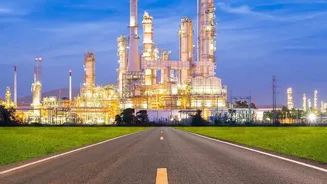







The Journey from Crude to Your Car
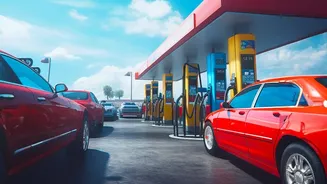
The most direct impact of global oil prices is felt at the petrol pump. India imports over 85% of its crude oil, making it highly sensitive to international price swings and the Rupee-US dollar exchange rate. When crude prices rise, Indian oil marketing
companies (OMCs) pay more for every barrel. This base cost is just the beginning. The final retail price you pay for petrol and diesel includes central excise duties, state-level Value Added Tax (VAT), and dealer commissions. These taxes form a significant portion of the pump price, which is why rates can vary dramatically from one state to another. While the government has at times absorbed price shocks by reducing excise duty or asking OMCs to hold prices steady, these measures are often temporary. Ultimately, sustained high crude prices inevitably lead to higher fuel bills for consumers.
The Ripple Effect on the Roads
The impact of fuel prices extends far beyond private vehicles. The lifeblood of India's economy is its vast road transport network, which relies almost entirely on diesel. Diesel accounts for a massive portion of a truck's operating cost—up to 65% by some estimates. When diesel prices rise, freight costs follow. In response to rising fuel costs in 2026, transport associations introduced a 'Fuel Adjustment Factor' (FAF), allowing them to automatically increase freight rates in line with diesel price hikes. This means the cost of transporting everything, from raw materials to finished goods, goes up. For a country where road transport handles the majority of freight movement, this has widespread inflationary consequences.
Taking Flight: Aviation and Oil
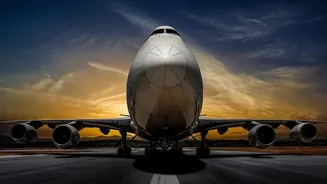
The aviation industry is another sector directly hit by oil price volatility. Aviation Turbine Fuel (ATF), a petroleum product, is the single biggest expense for airlines, often accounting for 40-50% of their operating costs. When crude prices soar, ATF prices follow suit. Indian airlines, operating in a highly competitive market, have little choice but to pass on these increased costs to passengers. This often comes in the form of higher fares or increased fuel surcharges. Analysts have forecast that sustained high crude prices could raise international airfares by as much as 20%, particularly on long-haul routes. While the government sometimes intervenes to manage fare bands on domestic routes, the fundamental link between oil and air travel costs remains unbreakable.
From Farm to Fork: The Hidden Costs in Your Basket
The connection between oil prices and your grocery bill is less obvious but just as real. Higher diesel costs increase the expense of running farm equipment and transporting produce from farms to markets. This pushes up the base price of vegetables, grains, and other agricultural products. But the impact doesn't stop there. The Fast-Moving Consumer Goods (FMCG) sector, which produces everything from biscuits to soap, faces a double whammy. Not only do their transportation and distribution costs rise with fuel prices, but many of their packaging materials are petroleum-based plastics. Faced with shrinking margins, companies often pass these costs to consumers, either through direct price hikes or by reducing the quantity of product in a package for the same price—a phenomenon known as 'shrinkflation'.