
Why Monsoon Is Risky for Paws
The combination of constant rain, high humidity, and wet city streets creates a perfect storm for your dog’s paws. The area between their paw pads is warm and often traps moisture, making it an ideal breeding ground for fungi and yeast that are naturally
present on the skin. When these microorganisms multiply uncontrollably, it leads to infection. Urban environments add another layer of risk; puddles on roads and in parks are often contaminated with bacteria and other irritants that can enter tiny scrapes or cuts on your dog's pads, leading to secondary bacterial infections. This is why a few minutes of care after each walk is not just about cleanliness, but about active prevention.
Symptoms to Watch For
Fungal infections are more than just a minor annoyance; they can be extremely uncomfortable and painful for your dog. Early detection is key to preventing the issue from escalating. Be vigilant for tell-tale signs of a paw infection. The most common indicator is your dog persistently licking, chewing, or biting at their paws. Upon inspection, you might notice redness and inflammation, particularly on the skin between their toes and on the paw pads themselves. Another classic symptom is a distinct musty or yeasty odour coming from the feet. In some cases, the fur around the paws may become stained a reddish-brown colour from the enzymes in their saliva due to excessive licking. Flaky skin, swelling, hair loss, and sensitivity to touch are also clear warning signs that something is wrong.
Your Essential Post-Walk Paw Care Routine
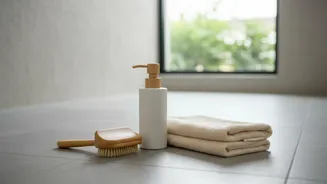
Integrating a simple, consistent routine after every monsoon walk can make all the difference. First, clean your dog's paws as soon as you get home. For light dirt, a thorough wipe with a soft, dry towel or pet-safe wet wipes will suffice. If their paws are caked in mud, a gentle wash with lukewarm water is best. The most crucial step is drying. Moisture is the enemy, so be meticulous. Use a highly absorbent microfibre towel and ensure you dry completely between each toe and around the nail beds, as this is where fungus loves to hide. For dogs with thick or long coats, you might even consider using a hairdryer on a low, cool setting to ensure no dampness remains. Finally, perform a quick daily inspection. Look for any cuts, thorns, redness, or swelling you might have missed.
Helpful Tools and Proactive Steps
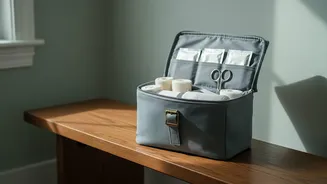
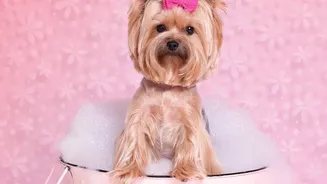
A few simple tools can make your post-walk routine faster and more effective. Keep a dedicated 'paw towel' by the door for easy access. Consider investing in a gentle, vet-approved antiseptic paw cleaning solution or foam for a deeper clean when needed. For long-haired breeds, keeping the fur between their paw pads trimmed short is a game-changer. This simple grooming step improves air circulation and prevents mud and moisture from getting trapped. Applying a thin layer of a dog-safe paw balm or wax before a walk can create a protective barrier against wet surfaces and irritants. If your dog is comfortable wearing them, waterproof booties offer the ultimate protection, keeping paws clean and dry from the start.
When to Consult Your Veterinarian
While a good home care routine can prevent many issues, it's important to know when to seek professional help. If you notice that the symptoms are not improving despite your best efforts, or if they seem to be getting worse, it's time to call the vet. Persistent limping, signs of significant pain, or a foul-smelling discharge from the paws are all red flags that require immediate medical attention. Furthermore, if your dog suffers from recurring paw infections, there might be an underlying issue like allergies or a weakened immune system that your vet can help diagnose and manage. A veterinarian can prescribe effective treatments like medicated shampoos, antifungal creams, or oral medications to clear up the infection and give your pet much-needed relief.