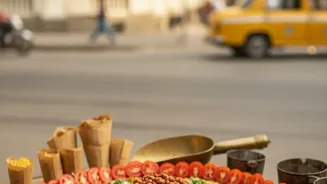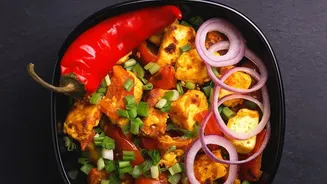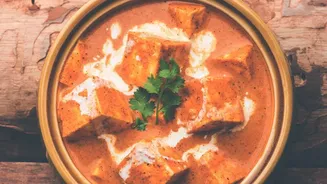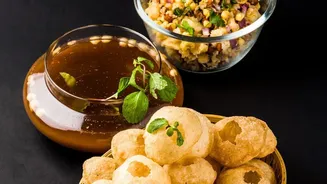


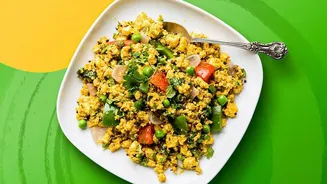
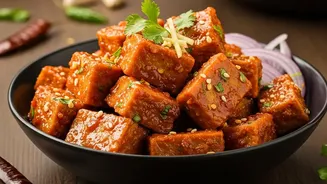
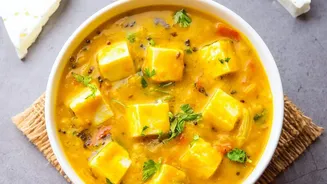
In the vibrant world of Indian street food, some pairings are simply iconic. We delve into Paneer Ghotala, a messy, buttery delight from Surat, and explore the delicious logic behind why serving it with pav is a non-negotiable tradition.
What Exactly Is Paneer Ghotala?
To understand
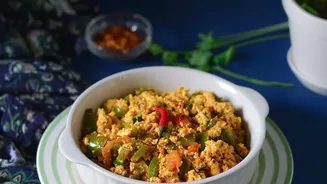
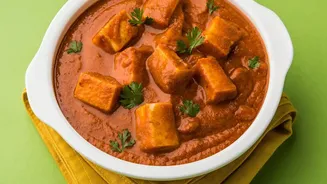
the dish, you first need to break down its name. 'Paneer' is the familiar Indian cottage cheese, but 'Ghotala' is a Hindi and Gujarati word that translates to 'mess' or 'scam'. This perfectly describes the glorious, jumbled appearance of this dish. Hailing from the streets of Surat in Gujarat, Paneer Ghotala is a rich, savoury mash of grated paneer cooked into a spicy tomato-onion gravy. Unlike paneer bhurji, which it often gets compared to, ghotala typically features a more complex gravy, often including ingredients like capsicum, processed cheese, and a signature spice blend to create a distinctly rich and indulgent flavour.
A Vegetarian Answer to a Street Food Classic
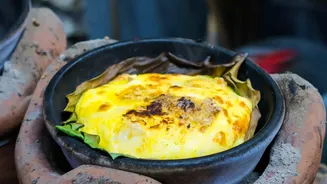
Paneer Ghotala has a fascinating origin story as the vegetarian adaptation of another Surti favourite: Anda Ghotala, or Egg Ghotala. The original dish involves a mix of boiled, scrambled, and sometimes fried eggs, all mashed into a spicy, buttery gravy. This created a unique, multi-textured dish. In a brilliant display of culinary innovation, street food chefs swapped the eggs for grated and crumbled paneer, successfully mimicking the hearty and messy texture of the original. This allowed vegetarians to enjoy the same delicious experience, and the paneer version quickly became a beloved classic in its own right.
The Street-Style Secret: Butter and Masala
What truly sets the street-style version apart is the cooking method and a couple of key ingredients. Vendors often cook Paneer Ghotala on a large, flat griddle called a tawa, similar to how Pav Bhaji is made. This high-heat cooking melds the flavours quickly and creates a signature texture. The secret weapon is often a generous amount of butter, which adds an undeniable richness, and the use of pav bhaji masala. This specific spice blend provides a tangy, pungent flavour profile that is synonymous with the bustling food stalls of Western India, distinguishing it from a simple homemade curry. A topping of grated processed cheese is also a common street-side addition, making it even more decadent.
Why Pav Is the Perfect Partner
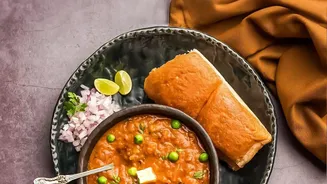
So, why is this delicious mess almost always served with pav? The answer lies in texture, taste, and tradition. Pav, a soft and slightly sweet Indian bread roll, is the ideal vehicle for a dish like Paneer Ghotala. Its fluffy, absorbent nature is perfect for soaking up every last bit of the buttery, spicy gravy, ensuring no flavour goes to waste. The mildness of the bread provides a perfect contrast to the intense, complex spices of the ghotala, balancing each bite. This pairing is a staple in Western Indian street food, seen with dishes like Pav Bhaji and Misal Pav. The combination is not just delicious but also practical, making it easy to scoop and eat on the go.
Enjoying Ghotala at Home
While nothing beats the experience of eating it fresh from a street vendor, Paneer Ghotala is also a joy to make at home. The key is to use fresh, soft paneer and grate it rather than crumbling it for that signature texture. Don't be shy with the butter, and using pav bhaji masala is non-negotiable for achieving that authentic street-style taste. The gravy is typically a blend of finely chopped onions, tomatoes, ginger-garlic paste, and green chillies, cooked down until rich and thick. While best served with buttery, toasted pav, it's also versatile enough to be enjoyed with roti, paratha, or even as a filling for a dosa.