



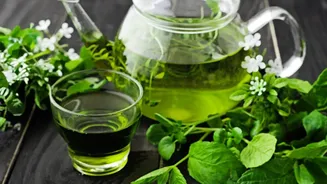

Why No Dairy? The Purity of the Brew
While many of us are accustomed to a milky chai, the Himalayan tradition of drinking herbal infusions without dairy is intentional. Historically, in many parts of the high-altitude regions, large-scale dairy farming wasn't common, so milk wasn't always
a staple ingredient. But more importantly, from a wellness perspective, adding milk is believed to alter the fundamental properties of the herbs. Drinking these teas plain allows the subtle, complex flavours and the full spectrum of beneficial compounds to shine through. It's about tasting the 'terroir' of the mountains in every sip and receiving the herbs' benefits without anything blunting their potency.
Rhododendron Tea: The Crimson Healer
Known locally as 'Buransh,' Rhododendron tea is a vibrant, crimson-hued infusion made from the dried petals of the rhododendron flower. Traditionally celebrated in Himalayan folk medicine, this caffeine-free brew is a powerhouse of wellness. It's packed with antioxidants and flavonoids, which are believed to support heart health by managing cholesterol and blood pressure. Its anti-inflammatory properties make it a traditional choice for soothing joint pain and reducing inflammation. Furthermore, it's often used as a natural remedy to boost immunity and fight off colds, thanks to its high Vitamin C content.
Himalayan Tulsi: The Sacred Adaptogen
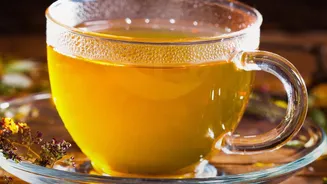
Tulsi, or Holy Basil, is revered in India, and its Himalayan variety is particularly potent. Considered an adaptogen in Ayurveda, Tulsi helps the body manage stress and promotes mental clarity. When brewed as a simple, dairy-free tea, its warm, slightly peppery flavour is both comforting and invigorating. Traditionally, it's consumed to bolster the immune system, aid digestion, and support respiratory health. Rich in antioxidants, a daily cup of pure Tulsi tea is believed to contribute to overall vitality and even promote radiant skin by helping to calm irritation from within.
Sea Buckthorn Tea: The Omega-Rich Superfruit
Sea buckthorn berries are tiny, orange powerhouses native to the harsh climates of Europe and Asia, including the Himalayas. For centuries, these berries and leaves have been used in Tibetan and Ayurvedic medicine. Brewed as a tea, sea buckthorn offers a zesty, citrusy flavour and a staggering nutritional profile. It is one of the few plant sources of Omega-7 fatty acids, which are vital for skin health and collagen production. It's also exceptionally high in Vitamin C—often more than oranges—making it a powerful immune booster. This brew is also known to support digestive health and soothe the gut lining.
Tibetan Herbal Blends: A Symphony of Balance
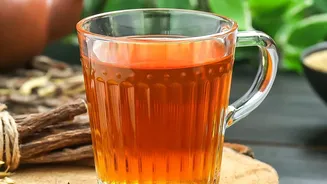
Tibetan medicine is based on achieving balance within the body's systems. Traditional Tibetan teas are often complex blends of numerous herbs, formulated to restore psycho-physiological harmony. These teas might include ingredients like desert rhubarb, nettle, chamomile, and unique local herbs like 'Red Snow Tea'. For example, 'Loong Tea' is designed to calm mental unrest and relieve physical discomfort, while other blends focus on improving digestion or strengthening the body's 'vital energy'. These dairy-free infusions are not seen as mere beverages but as functional tonics that support everything from digestion to mental wellbeing.
Gurkha Tea: The Warrior's Brew
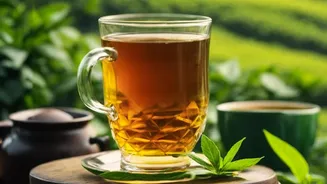
Named for the legendary soldiers of Nepal, Gurkha tea is a robust black tea from the Himalayan foothills. While many black teas are enjoyed with milk, high-quality Nepalese teas are often brewed without it to appreciate their complex flavour profile, which can include malty, honey, and even fruity notes. Though it contains caffeine, this tea is valued for more than just its energy boost. As a black tea, it is rich in polyphenols and is believed to support cardiovascular health, aid digestion, and enhance cognitive function. Drinking it plain honours the craftsmanship of the tea growers and the unique character of its high-altitude origins.