







The Allure of the Heavy Lift
Walk into any modern gym, and you'll feel its pull. The clank of iron, the focused intensity, the very visible and measurable progress of adding another plate to the barbell. Powerlifting and heavy strength training offer a clear path to feeling strong
and capable. This pursuit provides structure, community, and a powerful sense of accomplishment. The numbers don't lie: lifting more weight today than you did last month is a tangible victory. This intoxicating feedback loop is why so many of us fall in love with lifting. It’s an empowering journey that builds not just muscle, but discipline and mental fortitude. The appeal is real, and it’s not inherently a bad thing.
The Hidden Tax on Your Joints
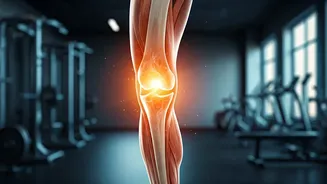
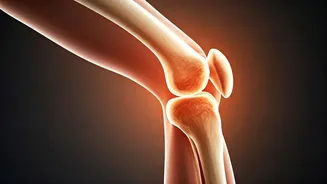
However, a relentless focus on maximal lifts—your one-rep max (1RM)—can come with a hidden, long-term cost. Our joints, comprised of cartilage, ligaments, and tendons, are remarkable structures but they have their limits. Consistently placing them under extreme compressive and shear forces, especially if form falters even slightly under the strain, accelerates wear and tear. Over time, this can contribute to conditions like osteoarthritis, tendinopathies, and chronic pain. While some stress is necessary for adaptation (Wolff's law for bones, Davis's law for soft tissue), the extreme end of the powerlifting spectrum pushes tissues beyond healthy adaptation and into a state of cumulative damage. The very pursuit of demonstrating peak strength can ironically degrade the structures that enable movement.
Flexibility: The Unsung Hero of Strength
This is where flexibility and its more functional cousin, mobility, enter the picture. Often relegated to a rushed five-minute cool-down, mobility work is the single most important investment you can make in your physical future. Good joint mobility means you can move your limbs through their full, intended range of motion without pain or restriction. This doesn't just allow you to perform a deeper, safer squat; it allows you to pick up your grandchildren, garden without back pain, and put your luggage in the overhead bin when you're 70. Flexibility prevents injury by ensuring muscles are pliable and balanced, reducing strain on joints and connective tissues. It is the foundation upon which durable, lifelong strength is built.
Finding a Sustainable Balance
The solution isn't to abandon the barbell. Strength training is crucial for bone density, metabolic health, and overall quality of life. The key is to reframe the goal. Instead of chasing a 200 kg deadlift at all costs, aim for a technically perfect 150 kg lift performed with a body that is supple and resilient. This means dedicating real time to mobility work before your lifts. It means incorporating yoga, Pilates, or dynamic stretching into your weekly routine. It means prioritising form over ego, and being willing to lower the weight to perfect your movement pattern. It means listening to your body's signals—the twinges, the stiffness, the aches—and responding with care, not pushing through with brute force.
Redefining 'Strong' for the Long Haul
Ultimately, we need to redefine what it means to be 'strong'. Is it the ability to perform a feat of maximal strength for a few years in your youth, only to be plagued by chronic pain later? Or is it the ability to remain active, independent, and capable of enjoying all of life's movements for decades to come? True strength is longevity. It is the resilience to bounce back from a minor injury, the freedom to try a new sport without fear, and the quiet confidence that your body will support you through a long, active life. The powerlifter's PR is impressive for a moment, but the person who can effortlessly get up from the floor in their 80s has achieved a far more profound form of strength.