





A Tradition of Purity
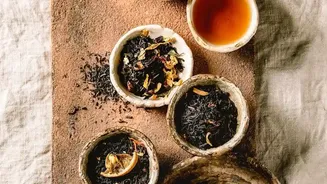
For centuries, the communities of the Himalayas have crafted herbal infusions from the diverse array of plants growing in the mineral-rich soil and pure mountain air. While some regional preparations like butter tea are well-known, many traditional herbal brews,
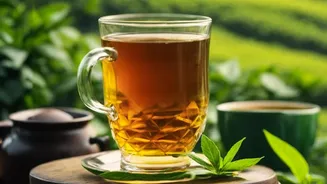
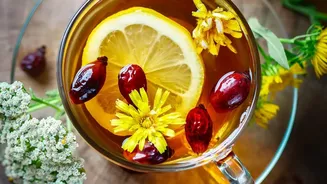
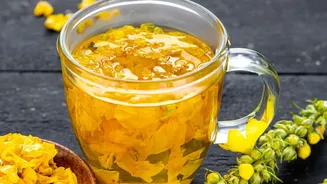
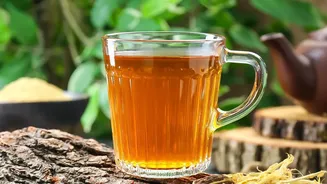
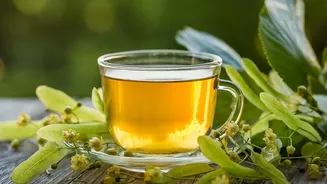
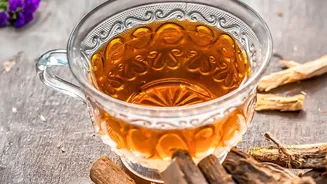
or 'tisanes', are simply combinations of leaves, flowers, and roots steeped in hot water. These are often enjoyed plain, allowing the authentic character of the ingredients to shine. This practice is rooted not in deprivation, but in a deep appreciation for the subtle and complex gifts of the local flora. The focus has always been on capturing the essence of the plant itself, a philosophy that modern additions can sometimes obscure.
Unlocking Clean, Complex Flavours
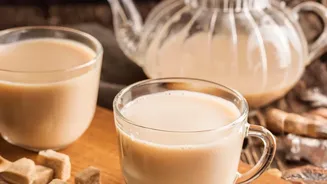
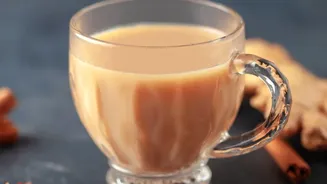
Adding milk to tea is a common habit, but it can significantly alter the taste experience. Milk, with its fats and proteins, coats the palate and can mute the delicate, nuanced flavours that define high-quality herbal infusions. Drinking these teas plain allows you to appreciate their 'clean' flavour profiles—the bright citrus notes of lemongrass, the spicy warmth of Tulsi (Holy Basil), or the gentle, apple-like sweetness of chamomile. These subtle notes are the very essence of the tea, telling a story of its origin and the season it was harvested. By skipping the milk, you are not losing creaminess; you are gaining clarity and a more direct connection to the tea's true character.
The Wellness Science
The claim that milk-free tea offers enhanced wellness benefits has scientific backing. Many Himalayan herbs are prized for their high concentration of antioxidants like polyphenols and catechins. However, research indicates that proteins in milk, particularly caseins, can bind to these beneficial compounds. This interaction may reduce the body's ability to absorb these antioxidants, potentially diminishing some of the tea's health-promoting effects. While some studies note the effect might be modest, others have found a significant reduction in the bioavailability of catechins when tea is consumed with milk proteins. Therefore, enjoying your herbal tea without milk may ensure you receive its full antioxidant power, supporting everything from the immune system to cellular health.
A Symphony of Himalayan Herbs
The Himalayas are a treasure trove of potent botanicals. Tulsi, or Holy Basil, is a revered adaptogen that helps the body combat stress and supports the immune system. Buransh, the vibrant Rhododendron flower, is brewed into a tea known for its antioxidant properties. Himalayan mint and lemongrass offer digestive support and a refreshing taste, while chamomile is a classic choice for promoting relaxation and better sleep. Others like nettle (sisnu) provide an earthy, grounding cup rich in minerals. Each of these herbs, when brewed pure, delivers a specific set of benefits and a unique sensory experience that reflects its high-altitude origins.
Brewing for Authenticity
To fully embrace the tradition of Himalayan herbal tea, the preparation is key. Start with high-quality, whole-leaf herbs to ensure maximum flavour and benefit. Pay attention to water temperature; delicate flowers and leaves may require slightly cooler water than roots or tougher herbs. Allow the tea to steep for several minutes to fully release its aroma and taste. Before taking a sip, take a moment to inhale the fragrant steam, appreciating the aromatic introduction to the flavours to come. This mindful approach transforms a simple cup of tea into a holistic ritual, connecting you to a tradition that has valued purity and wellness for generations.