







What a Major Study Found
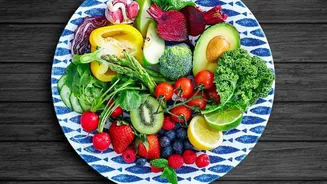
A recent analysis of the Australian National Health and Physical Activity Survey, involving over 9,000 adults, looked at the relationship between diet and health. The study found that people who ate more bitter foods, such as certain vegetables like broccoli
and dark chocolate, or drank beverages like tea and coffee, had some associations with better health markers. For example, one analysis pointed to a link between moderate intake of bitter solid foods and a lower risk of type 2 diabetes. This seems straightforward, but the researchers were careful with their language, noting an "association." This specific word choice is at the heart of understanding what the study really means.
Association Does Not Equal Causation
This is one of the most important rules in science, but it’s often lost in translation. "Association" (or correlation) simply means two things happen together. "Causation" means one thing directly causes the other. Think of it this way: ice cream sales and drowning incidents both increase in the summer. They are associated, but eating ice cream doesn't cause drowning. The real cause is the summer heat, which drives people to both swim and eat ice cream. This third factor is called a confounding variable. In nutrition science, observational studies are excellent at finding these associations, which give scientists clues for what to investigate next.
The Complexity of Bitter Foods
So, does eating bitter foods directly lead to better health? It's complicated. People who consume more bitter foods might also have other healthy habits. Perhaps they are more health-conscious in general, exercise more, or avoid ultra-processed foods. For instance, some research has suggested that people with a higher sensitivity to bitter tastes might avoid alcohol, a known contributor to certain health risks. The study itself noted that people with the most bitter diets had higher intakes of fibre and certain vegetables. It’s difficult to isolate just the bitterness of the food as the sole reason for the health outcome. The true cause could be the fibre, the vitamins, or the healthier lifestyle that often accompanies eating such foods.
Why This Distinction Is Critical
Confusing association with causation can lead to misleading headlines and public confusion. A headline might scream, "Bitter Foods Prevent Diabetes!", when the research only suggested a link. This can cause people to make unnecessary or even unhelpful dietary changes. For example, some studies have linked a genetic sensitivity to bitter tastes with a higher risk for certain cancers, but the link wasn't as simple as expected. Researchers hypothesized that people who disliked bitter tastes would eat fewer healthy vegetables, but that wasn't always the case. The relationship is complex, and jumping to a causal conclusion can obscure the real, underlying factors that influence our health.
How to Be a Smarter Health News Reader
You can become a more critical consumer of health information by paying attention to the language used. Look for words like "associated with," "linked to," or "correlated with." These signal an observational finding, not proven cause-and-effect. In contrast, words like "causes," "increases," or "prevents" imply a much stronger, causal link that requires more robust evidence, often from different types of studies like randomized controlled trials. When you see a headline about a new dietary finding, ask yourself if the study is just observing a pattern or if it has truly proven that one thing causes another. This simple question can help you navigate the often-confusing world of nutrition news without getting swept up in every new trend.