



The Zero-Waste Wonder Vegetable
Before zero-waste became a global trend, it was a way of life in many Indian households. Finding ingenious ways to use every part of a vegetable is a hallmark of our culinary tradition, and the watermelon rind is a perfect example. Known as 'Tarbooz ke
Chilke ki Sabzi' in Hindi or 'Kalingar nu Shaak' in Gujarati, dishes using the rind are found across the country. This practice turns what is typically considered food waste into a delicious and nutritious meal. The rind, which is often discarded, is packed with nutrients like vitamins A and C, potassium, and the amino acid citrulline. By cooking with it, you not only reduce waste but also add a healthy component to your diet.
Texture, Taste, and the Gourd Comparison
The headline's comparison to bottle gourd (lauki) or ash gourd (petha) is spot on. The white part of the watermelon rind has a crisp texture when raw, similar to a cucumber, and becomes tender when cooked. Crucially, it has a neutral, slightly sweet flavour. This mildness makes it an excellent base for Indian cooking, as it acts like a sponge, readily soaking up the complex flavours of masalas, from a simple turmeric and chilli powder mix to a more elaborate onion-tomato base. When cooked, its texture is remarkably similar to that of tender lauki or the firm bite of petha in a curry, making it an easy and surprisingly effective substitute in many traditional recipes.
How to Prepare the Rind for Cooking
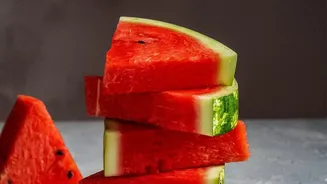
Preparing the rind is a simple but crucial step. First, after you've eaten the red flesh, use a sturdy vegetable peeler or a knife to remove the tough, dark green outer skin. This part can be bitter and doesn't soften well, so it's best to discard it. You'll be left with the thick, pale green or white part. It's perfectly fine to leave a thin sliver of the pink flesh attached for a hint of colour and sweetness, but the firm white part is what you want for cooking. Once peeled, wash the rind thoroughly and chop it into small, bite-sized cubes, just as you would with lauki or pumpkin for a sabzi. Your vegetable is now ready for the pan.
A Simple Starting Recipe for Sabzi
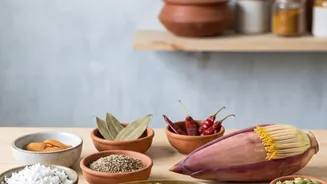
You don't need a complicated recipe to start. Think of it as making a simple lauki sabzi. Heat a bit of oil in a pan and add your tempering (tadka) of cumin or mustard seeds and perhaps a pinch of asafoetida (hing). Sauté some chopped onions, ginger, and garlic until translucent. Add your basic powdered spices: turmeric, red chilli powder, and coriander powder, cooking them for a minute until fragrant. Now, add the cubed watermelon rind and salt, and stir well to coat it with the masalas. Add a splash of water, cover the pan, and let it cook on a medium flame for 15-20 minutes, or until the rind is tender and can be easily pierced with a fork. Finish with a squeeze of lemon juice or some amchoor (dry mango powder) for tang, and garnish with fresh coriander.
Beyond the Basic Curry
The rind's versatility doesn't end with a simple sabzi. In South India, it's used to make 'Majjige Huli' or 'Mor Kuzhambu', a yoghurt-based curry similar to kadhi, where it stands in for ash gourd. Its crisp texture also makes it fantastic for pickles, both sweet and spicy. You can shred it to make a refreshing coleslaw or even blend it into smoothies and chutneys. Some traditions even use it to make a halwa, where it's cooked down with milk and sugar, much like bottle gourd halwa, resulting in a gooey, delicious dessert. Every part of the watermelon has potential, encouraging a more creative and sustainable approach to cooking.