

The Golden Rules of a Safe Container
Before you even think about wax or wicks, your container must meet three non-negotiable safety standards. First, it must be heat-resistant. A candle flame creates sustained, localized heat that can cause ordinary glass or ceramic to crack or even shatter
from thermal shock. Second, the container must be non-flammable and non-porous. Materials like unsealed terracotta, certain clays, or wood can absorb hot wax, turning the entire container into a giant, unpredictable wick. Lastly, it must be leak-proof and stable. Any seams or hairline cracks are structural failures waiting to happen, and a wobbly base is an invitation for disaster.
Best Materials for Candle Making
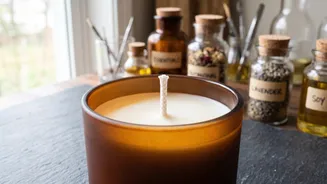
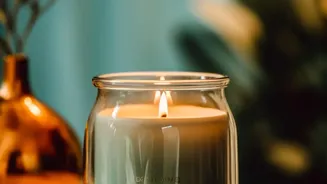
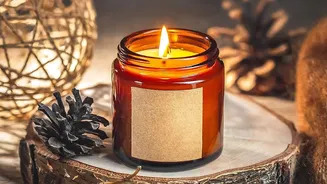
To stay safe, stick to materials specifically designed for candle making. Glass is the most popular choice for its elegance and transparency. However, not all glass is equal. Look for thick-walled, tempered, or borosilicate glass often sold by candle supply companies. Heat-resistant canning jars, like Mason jars, are also a popular and generally safe option because they are designed to withstand high temperatures. Fully glazed ceramics are another excellent choice, as the glaze creates a non-porous barrier. Finally, seamless metal tins made for candles are durable, travel-friendly, and distribute heat effectively, though they can get hot to the touch.
Containers to Absolutely Avoid
Many beautiful objects look like they would make a great candle but are dangerously unsafe. Never use plastic or wood, as they are flammable. Avoid thin, decorative glassware like drinking glasses, wine glasses, or vases, as they are not made to handle the thermal stress of a candle. Vintage teacups and other thrifted ceramics can be risky; their history is unknown, and they may have hairline cracks or a glaze that isn't heat-safe. Porous materials like unglazed pottery, terracotta flower pots, or coconut shells are also a major fire hazard because they can absorb wax and ignite.
Why Size and Shape Matter
The geometry of your container is just as important as the material. The diameter of the vessel dictates the size and number of wicks needed for an even burn. A wick that's too small will cause 'tunneling' (where only the center of the wax melts), while a wick that's too large can overheat the container, creating a safety risk. Straight-sided jars offer the most consistent burn because the diameter remains the same from top to bottom. Tapered containers, especially those with a narrow opening and wide base, can trap heat as the flame burns lower, increasing the risk of the glass cracking. A wide, stable base is also critical to prevent the candle from being easily tipped over.
How to Test a Container for Safety
If you're ever unsure about a container, especially a repurposed one, perform a simple test. For ceramics, you can do a water test: fill the vessel with water and let it sit on a paper towel for several hours. If the towel becomes damp, the container is porous and unsafe. For glass, you can conduct a heat test. Carefully fill the container with boiling water and let it sit for several minutes. Then, expose it to cold water to create a temperature shock. If the glass survives without any cracks, it has better resistance to thermal stress. However, the most reliable method is always to purchase containers specifically sold as candle-safe from a reputable supplier.