



A Symphony of Contrasts
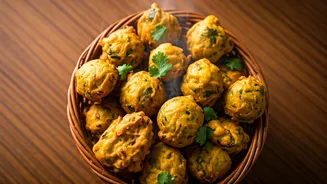
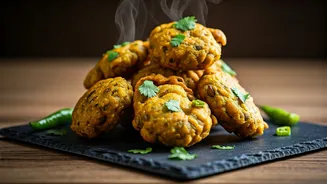
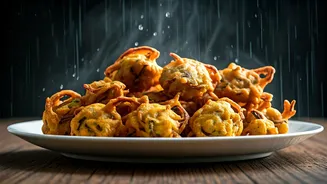
To understand the magic, you must first appreciate the physics of flavour at play. It’s a culinary masterpiece built on contrast. The pakora, a humble morsel of vegetable or paneer enrobed in a spiced gram flour (besan) batter, is plunged into hot oil
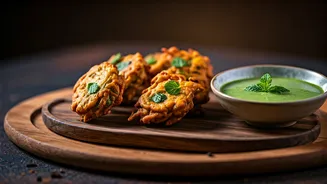
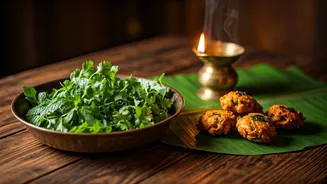
until it emerges as a golden, crispy, and unapologetically savoury nugget. It’s hot, it’s crunchy on the outside, soft on the inside, and it carries the warmth of spices like ajwain, turmeric, and red chilli. Then comes the chutney. It’s the perfect foil, the cool counterpoint to the pakora’s heat. Made from fresh mint and coriander leaves, sharpened with the tang of lime or amchur (dried mango powder), and given a fiery kick from green chillies, this chutney doesn't just accompany the pakora—it completes it. The cool, herbaceous brightness cuts through the richness of the fried batter, cleansing the palate and making you reach for another piece. It’s a textural and thermal rollercoaster in every single bite.
The Unofficial Monsoon Snack
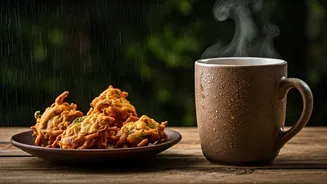
Nowhere is this pairing more revered than during the Indian monsoon. As the temperature drops and the air becomes heavy with petrichor, a collective, unspoken craving sweeps across the nation. The thought of ‘garma-garam’ pakoras becomes an urgent, non-negotiable need. It’s a tradition that transcends generations. Families gather, the kadhai comes out, and the simple act of frying fritters becomes a celebration of the rain.
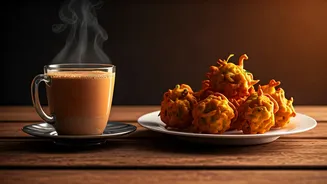
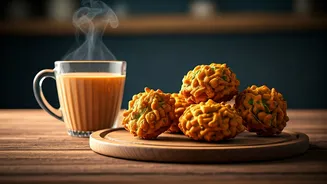
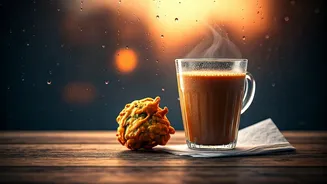
This isn’t just about taste; it's about comfort. The warmth of the fried snack feels like a shield against the damp chill. Paired with a steaming cup of chai, the pakora-chutney combination becomes a vessel for nostalgia, a taste of childhood, and a reminder of countless rainy afternoons spent watching the world get washed clean from a window.
The Art of Infinite Variety
Part of the pakora's enduring appeal is its sheer versatility. There is a pakora for every mood and every vegetable drawer. The most common are the pyaaz (onion) pakoras, which turn sweet and jammy inside their crispy shell, and the aloo (potato) pakoras, offering a soft, starchy bite. But the canvas is limitless. You can find paneer pakoras, gobi (cauliflower) pakoras, palak (spinach) pakoras, and even bread pakoras.
Each variation brings its own texture and flavour, but the core principle remains the same: a simple, delicious fritter that is greater than the sum of its parts. This adaptability makes it the perfect snack. It can be made with whatever is on hand, a quick solution for unexpected guests or a sudden hunger pang. It’s a testament to the ingenuity of Indian home cooking, where simple ingredients are transformed into something truly special.
The Chutney Is Not Optional
Let’s be clear: a pakora without its mint chutney is a lonely, incomplete thing. While a tomato-based ketchup might be offered as a concession, it lacks the complexity and purpose of its traditional partner. The pudina chutney is not merely a dip; it is a digestive aid and a flavour enhancer rolled into one. Mint is known for its cooling properties and its ability to aid digestion, which is particularly useful when indulging in fried foods. The addition of ginger, garlic, and lime not only builds layers of flavour but also contributes to this balancing act.
Making the chutney is an art in itself. The ratio of mint to coriander, the amount of chilli, the souring agent used—all can be tailored to personal preference. But the goal is always a vibrant, fresh, and zesty sauce that can stand up to the pakora without overpowering it. It’s the bright, sharp, and utterly essential other half of this culinary power couple.