





A Tradition Reimagined
First, let's be clear: for most of India, 'immunity tea' isn't new. It’s simply a modern, marketable name for what our grandparents called kadha or kashayam. This traditional decoction, brewed with a blend of spices and herbs, has been a staple in Indian
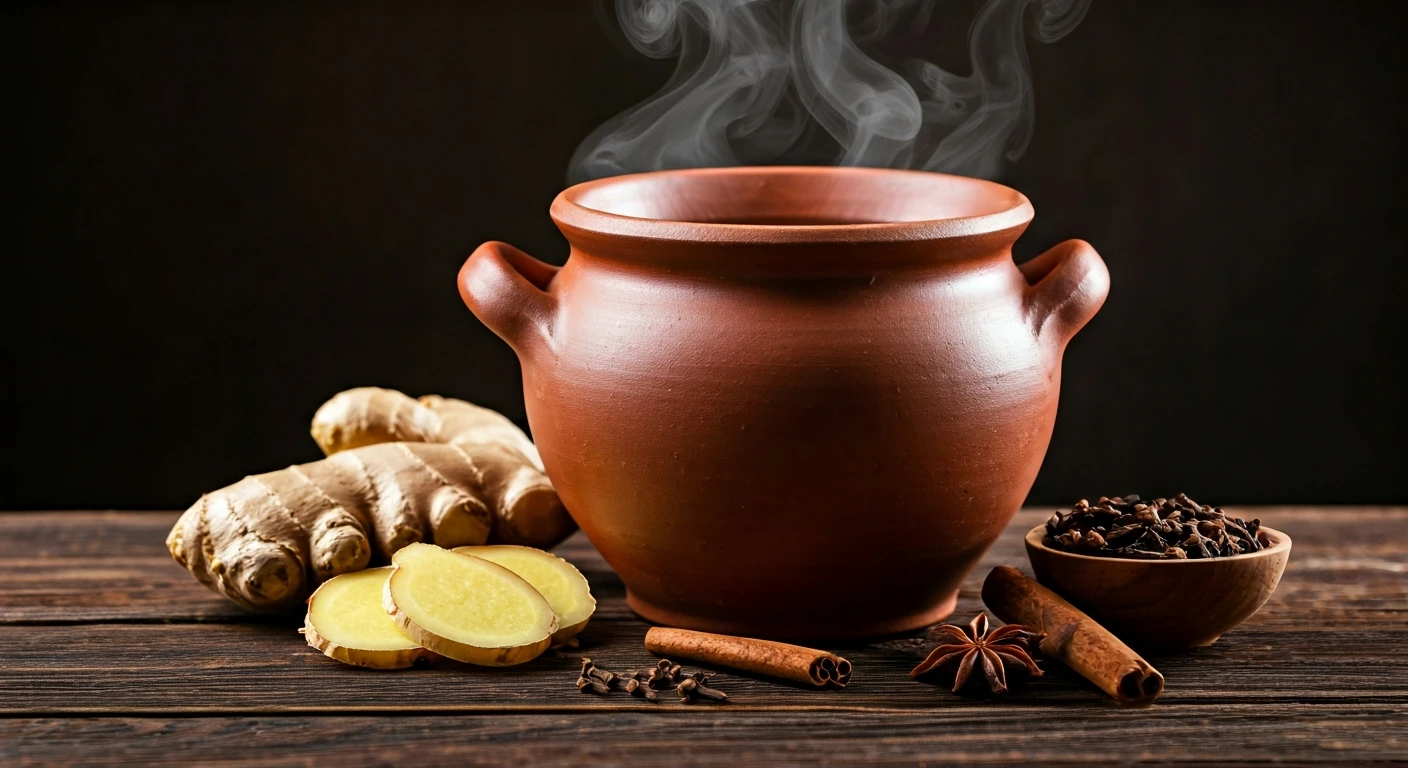
households for centuries. It's the go-to home remedy for coughs, colds, and that general feeling of being under the weather. Made with common kitchen ingredients like ginger, black pepper, tulsi (holy basil), cloves, and cinnamon, kadha was always seen as a simple, effective way to soothe symptoms and support the body's natural defences. The current trend isn't an invention; it's a repackaging of age-old wisdom for a new generation.
The Pandemic Catalyst
The meteoric rise of 'immunity tea' from a household remedy to a national phenomenon can be traced back to a single global event: the COVID-19 pandemic. In a time of unprecedented uncertainty, people were desperately seeking ways to protect themselves. The focus shifted intensely towards personal health and immunity. Official bodies, including the Ministry of AYUSH, recommended traditional practices and brews like kadha as prophylactic measures to help bolster the immune system. This government endorsement, combined with widespread anxiety, created the perfect storm. Suddenly, everyone was simmering a pot of spiced tea, turning a familiar comfort into a daily ritual of self-preservation.
From Kitchen to Commercial Success
Where there's a trend, there's a market. Entrepreneurs and established brands were quick to notice the surge in demand. What was once a free, homemade remedy became a premium product. Hip cafes started adding 'Immunity Booster Shots' and artisanal 'Wellness Teas' to their menus, often at a steep markup. FMCG companies launched ready-to-drink kadha mixes, tea bags, and bottled potions, promising convenience and potent ingredients. This commercialization took kadha out of the exclusive domain of the home kitchen and placed it firmly in the mainstream wellness industry, alongside kombucha and green juice. It became an aspirational lifestyle choice, not just a medicinal drink.
So, What's In The Cup?
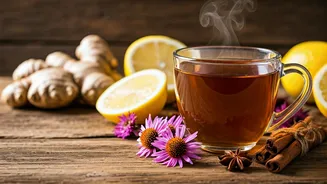
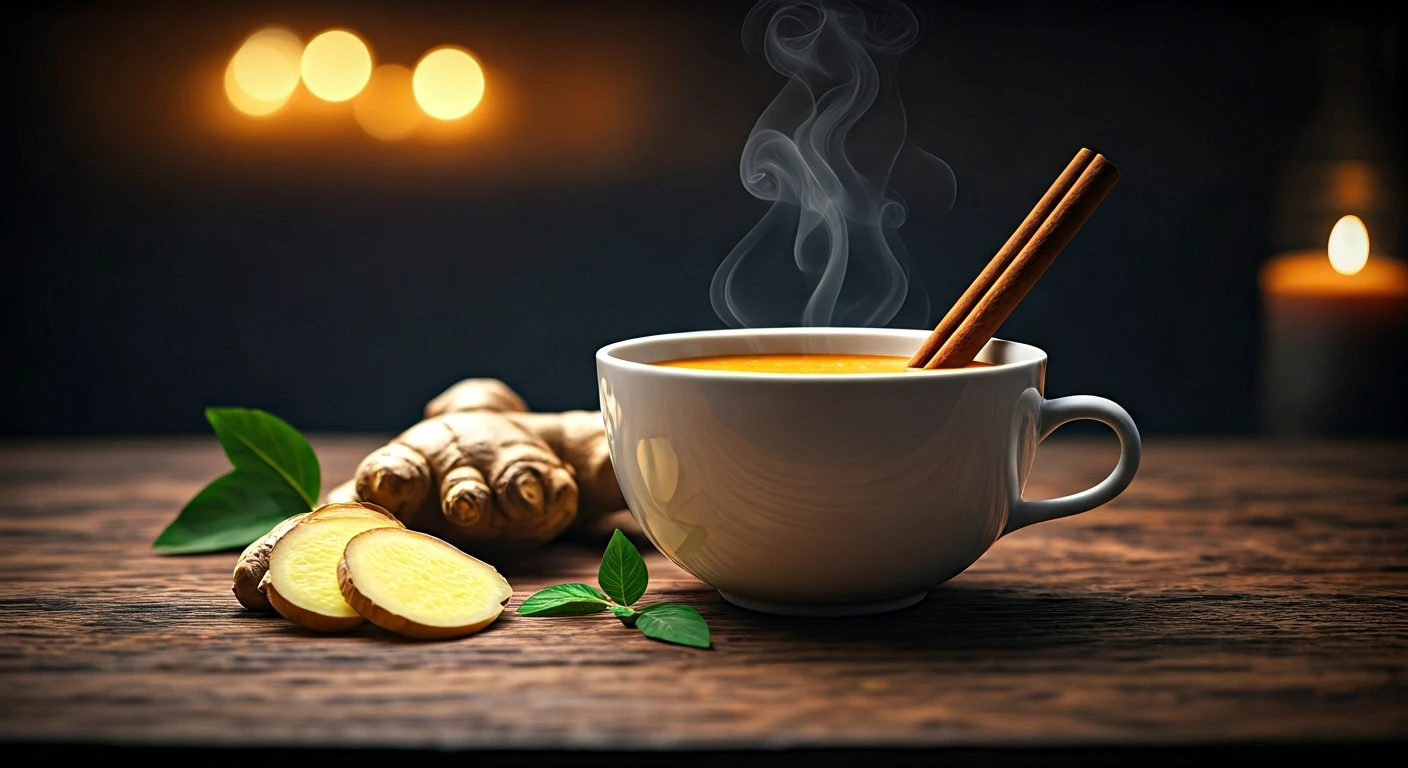
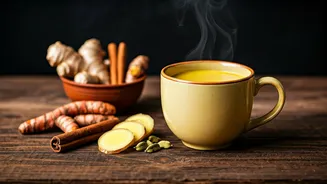
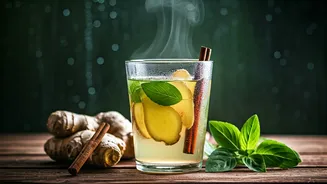
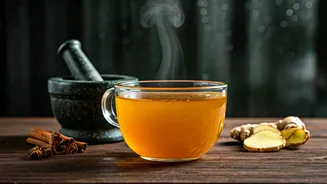
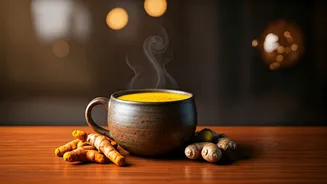
The magic of immunity tea lies in its powerhouse ingredients. While recipes vary, a few key players are almost always present. Ginger (adrak) is known for its anti-inflammatory and anti-nausea properties. Turmeric (haldi), containing the active compound curcumin, is a potent antioxidant. Black pepper is often added because piperine, its active ingredient, dramatically increases the body's ability to absorb curcumin. Cloves (laung) and cinnamon (dalchini) are packed with antioxidants and have antimicrobial properties. Tulsi, revered in Ayurveda, is an adaptogen believed to help the body combat stress. Each ingredient brings its own traditional and scientifically-backed benefits to the brew, creating a synergy that is both soothing and supportive.
Does It Actually 'Boost' Immunity?
This is the million-rupee question. The term 'boost' is misleading. You can't really 'boost' your immune system like a rocket. It's a complex network of cells and processes that needs balance, not a sudden jolt. What these ingredients can do is support a healthy immune function. Their anti-inflammatory and antioxidant properties help reduce the overall stress on your body, allowing your immune system to operate more effectively. Think of it less as adding more soldiers to your army and more as ensuring your existing soldiers are well-rested, well-fed, and ready for battle. Nutritionists agree that while these teas are beneficial and hydrating, they are not a replacement for a balanced diet, good sleep, exercise, and proper medical care. They are a supplement to a healthy lifestyle, not a shield against disease.