
Why A Monsoon Safari?
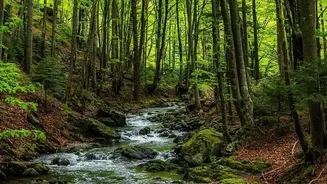
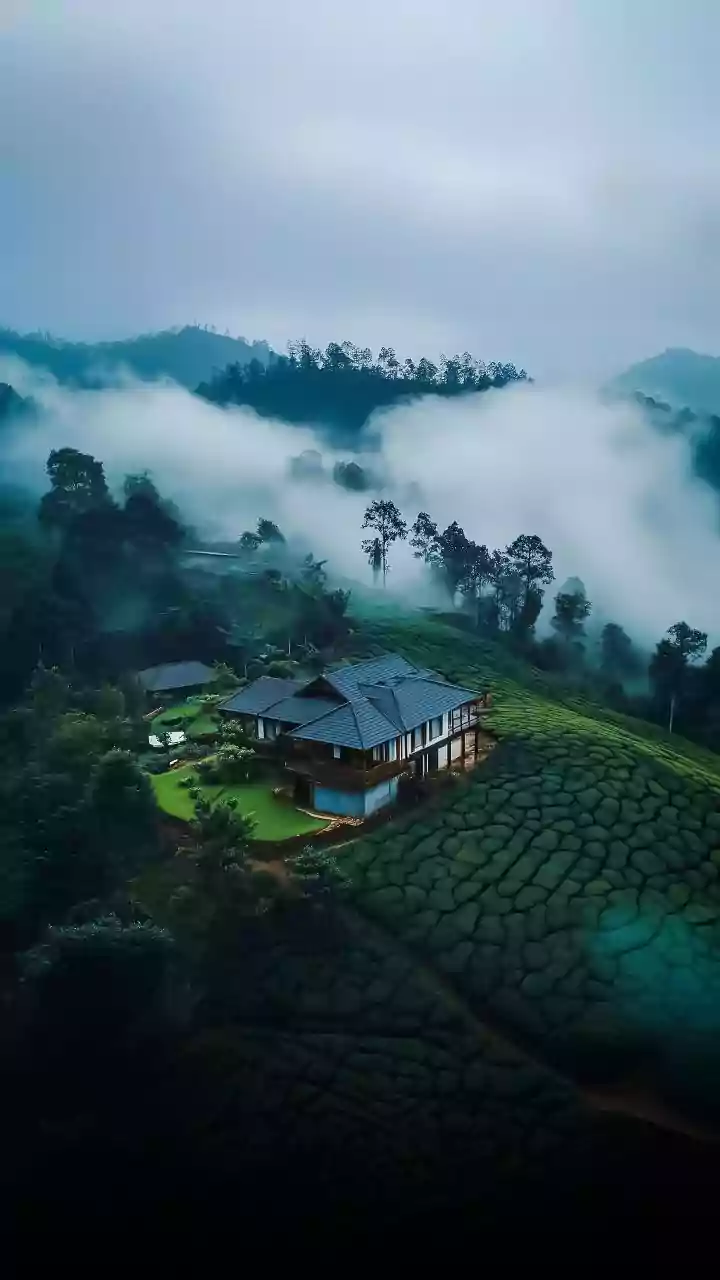
An August safari is an experience unlike any other. Forget the dusty trails and a landscape bleached by the sun; this is the wild at its most rejuvenated. The monsoon breathes life into the forests, carpeting them in every imaginable shade of green. The air
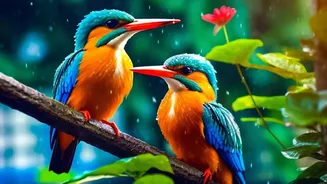
is clean, the waterholes are full, and the usual tourist crowds have thinned out, offering a sense of serenity and exclusivity. While spotting predators like tigers can be more challenging amidst the dense foliage, the focus shifts to the overall ecosystem. It's a time for observing different animal behaviours, seeing herds of herbivores enjoying the abundance of food, and witnessing a jungle teeming with life, from colourful birds to countless insects and amphibians.
Periyar National Park, Kerala
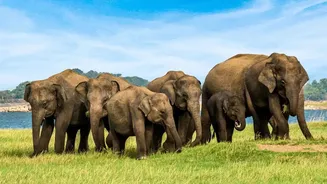
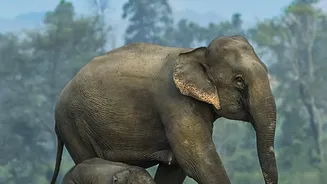
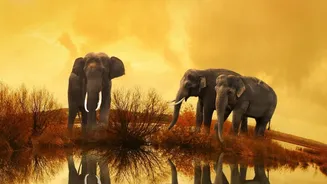
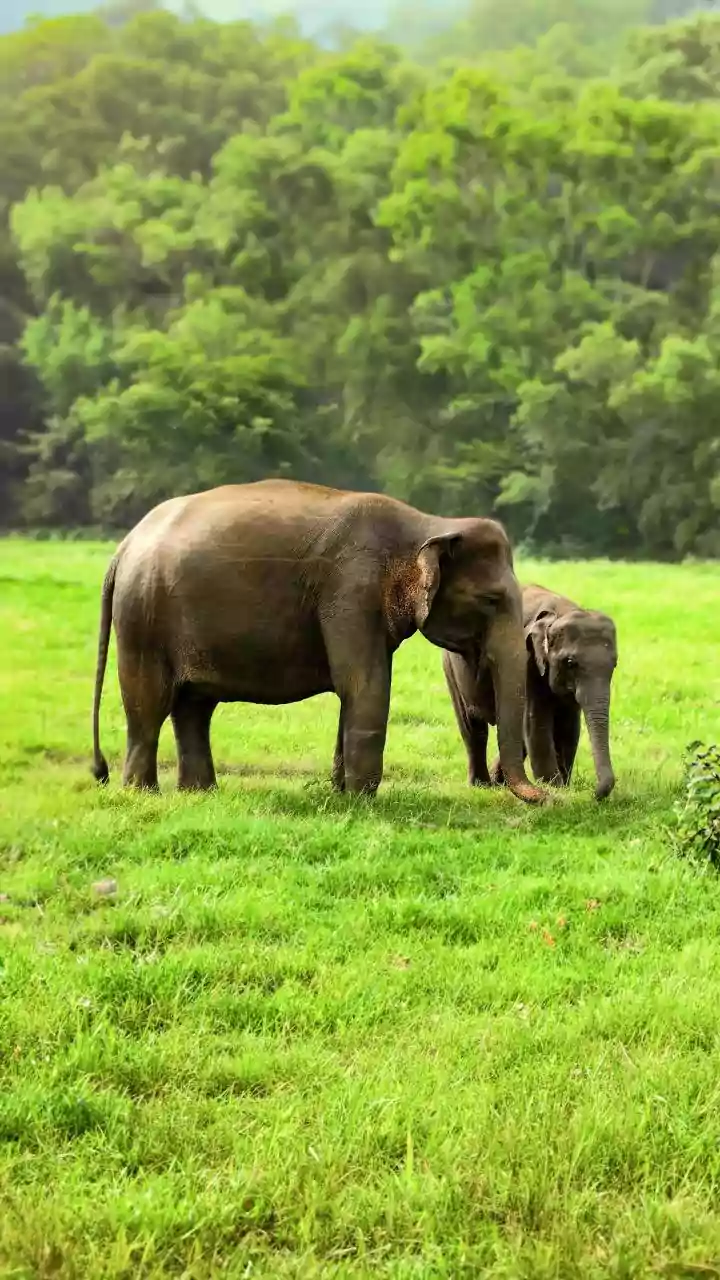
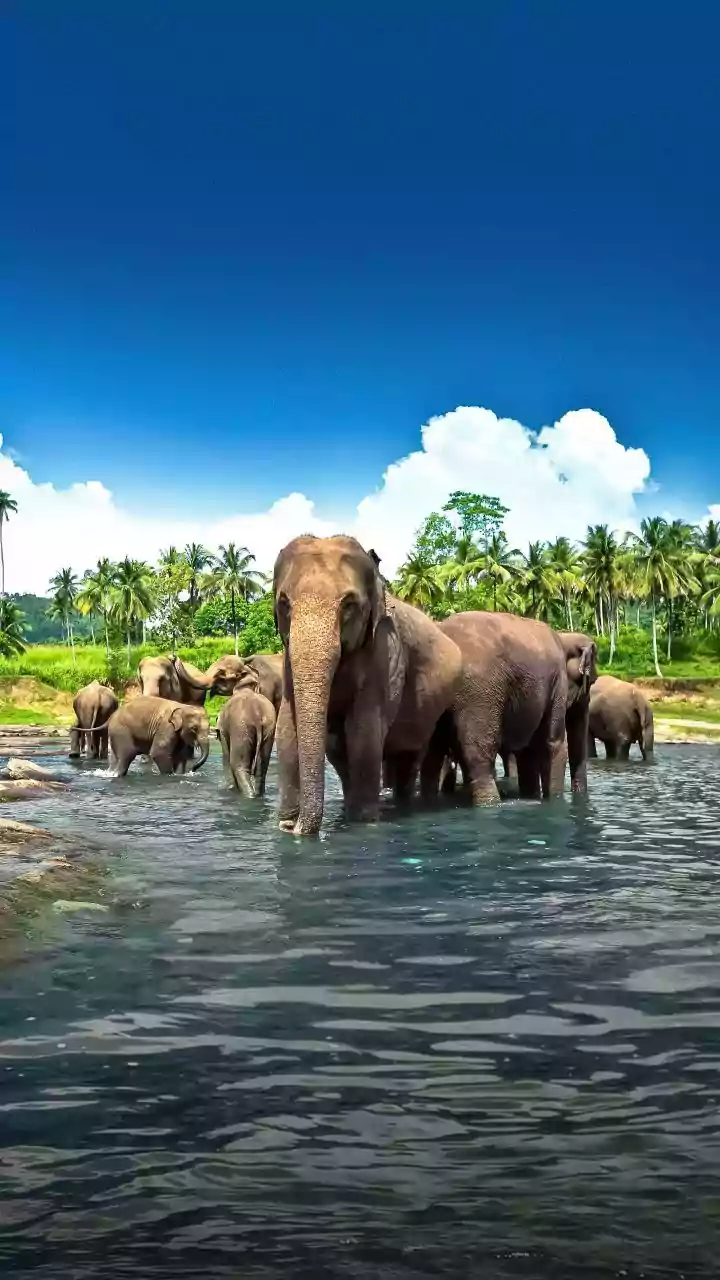
Perhaps the most famous monsoon safari destination, Periyar Wildlife Sanctuary in Kerala is spectacular in August. The park remains open year-round, and its primary safari activity—a boat ride on the vast Periyar Lake—is perfect for the season. The lake, swollen with rainwater, attracts large herds of elephants that come to its banks to drink and play. You can drift along in a ferry, watching them against a backdrop of mist-shrouded hills and dripping forests. Besides elephants, you have a good chance of spotting sambar deer, gaur (Indian bison), wild boars, and a rich variety of resident and migratory birds that are particularly active during this time.
Bandipur National Park, Karnataka
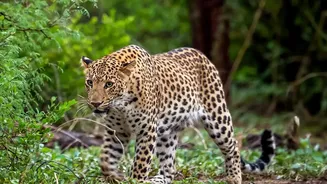
Located in the rain shadow of the Western Ghats, Bandipur receives less rainfall than its neighbours, making it accessible and beautiful in August. The park doesn't completely shut down, offering safari routes that showcase its incredible post-rain beauty. The forest floor is covered in a fresh carpet of green, and the air is fragrant with the smell of wet earth. This is an excellent time to see large herds of gaur and elephants enjoying the plentiful vegetation. While tiger and leopard sightings are a matter of luck, the sheer beauty of a drive through the verdant, revitalised jungle makes an August visit worthwhile.
Dachigam National Park, Jammu and Kashmir
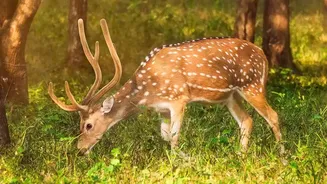
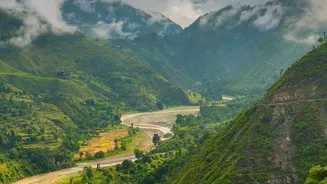
For a truly offbeat experience, head north to Dachigam National Park. August falls within the prime window for visiting the upper reaches of this stunning park. Free from the heavy monsoon that drenches the rest of the country, the weather here is pleasant. The scenery is breathtaking, with lush meadows and alpine forests. Dachigam is the last remaining home of the critically endangered Hangul, or Kashmir Stag. August offers a good chance to spot them, along with other Himalayan wildlife like the black bear, musk deer, and langurs. The park's dramatic landscape, ranging from riverine forests to high-altitude pastures, is at its most vibrant.
Know Before You Go
While a monsoon safari is a magical experience, it requires some planning. Many of India's most famous tiger reserves, such as Ranthambore, Corbett, and Kanha, have their core zones closed from June to September. Always check the official park websites for the latest information on openings, closures, and safari bookings. The parks that do remain open might have specific zones or routes designated for the monsoon season. Be prepared for rain with appropriate waterproof gear for both yourself and your camera equipment. Roads can be muddy, and leeches are common in the wet undergrowth, so sturdy, protective footwear is a must. Embracing these small challenges is part of the adventure.