




Why Monsoon Changes the Rules
During scorching summers, daily watering is often a plant-saving ritual. But when the monsoon arrives, the entire environment shifts. The air becomes saturated with moisture, significantly slowing down evaporation from the soil. Cloudy skies mean less
sunlight for photosynthesis, and cooler temperatures mean plants are less 'thirsty'. Continuing a summer watering schedule is a common mistake that can quickly lead to waterlogged soil. This suffocates the roots, as they need oxygen to function. Without oxygen, roots can't absorb nutrients and begin to decay, leading to the dreaded root rot, which is a primary cause of plants dying during this season.
The Golden Rule: Check the Soil First
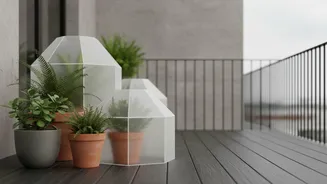
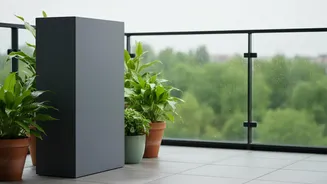
Instead of watering on a fixed schedule, let your plants tell you when they need a drink. The most reliable method is the 'finger test'. Before you even pick up your watering can, insert your finger about one to two inches into the soil. If the soil feels moist, hold off on watering. If it feels dry to the touch at that depth, it's time to water. For gardeners who want more precision, a soil moisture meter can provide an accurate reading. This simple habit is the single most effective way to prevent overwatering, whether your plants are indoors or on a balcony exposed to the rain.
Signs of an Overwatered Plant
Plants often give clear signals when they are getting too much water. One of the most common signs is leaves turning yellow, especially the lower ones, and feeling soft or mushy. Paradoxically, a plant can start to wilt even when the soil is wet; this happens because the damaged, waterlogged roots can no longer absorb water effectively. Other red flags include a musty or foul smell from the soil, the appearance of mould on the soil surface, or a sudden infestation of tiny flying insects known as fungus gnats, which are attracted to constantly damp conditions. A pot that feels unusually heavy is another indicator that the soil is saturated.
Improve Drainage to Prevent Waterlogging
Even with careful watering, poor drainage can doom a plant during the monsoon. Ensure every pot has drainage holes at the bottom so excess water can escape. If your pots are sitting in saucers or trays, make sure to empty any collected water after rainfall or watering. Allowing a pot to sit in a saucer full of water is a direct invitation for root rot. For an extra layer of protection, you can place pots on feet or bricks to elevate them slightly, which improves airflow and ensures the drainage holes aren't blocked. Using a light, airy potting mix that drains well is also crucial, as heavy, dense soil tends to retain too much moisture.
Beyond Watering: Other Monsoon Adjustments
Successful monsoon plant care involves more than just adjusting your watering can. With high humidity, it's best to water the soil directly and avoid wetting the leaves, as damp foliage can encourage fungal diseases like powdery mildew. Also, ensure good air circulation around your plants by not crowding them together. Most experts recommend reducing or pausing fertilization during this period, as many plants slow their growth and excess fertilizer can burn the moist roots. Finally, with less direct sun, consider moving indoor plants closer to bright windows to compensate for the gloomy, overcast days.