




The Great Menu Swap
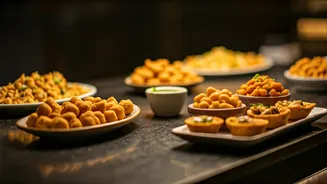
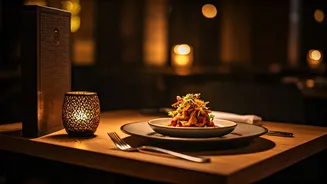
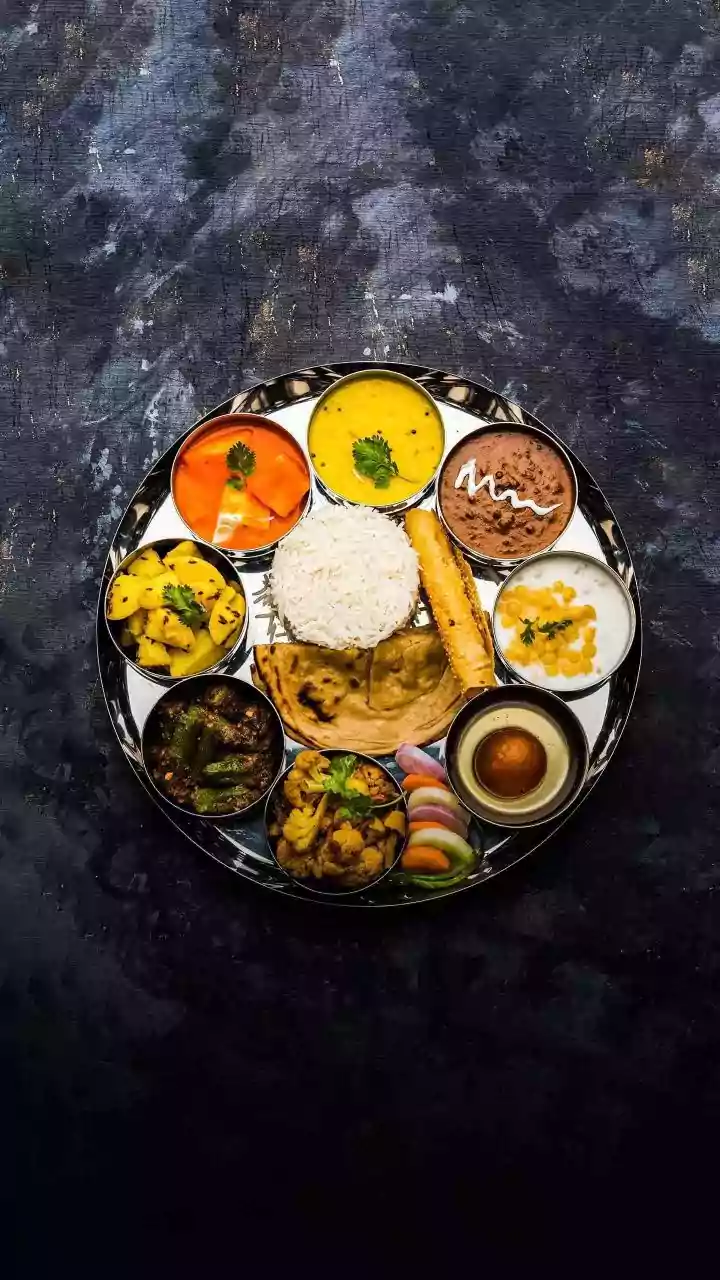
Step into a trendy urban café in India today, and you might be surprised by what you find on the menu. Where once you would have seen a predictable lineup of pasta, burgers, and sandwiches, you are now just as likely to find Palak Patta Chaat, Keema Pav,
or even regional specialties from Ladakh or Kerala. Cafés, which have long been outposts of Western culinary culture, are undergoing a significant transformation. This isn't about simply adding a few token Indian dishes to the menu; it’s a wholesale embrace of local and traditional flavors, often given a contemporary twist. Establishments like Cafe Lota in Delhi have built their reputation on serving regional Indian dishes inspired by home cooking, with a menu that changes seasonally based on fresh produce. This move signals a deeper change in the country's culinary landscape.
A Craving for Comfort and Nostalgia
So, what’s driving this shift? The answer, in large part, is a powerful craving for nostalgia. In a rapidly globalizing world, there is a growing desire for the comfort and familiarity of the food we grew up with. These classic dishes hold stories and memories, connecting diners to their heritage. This phenomenon, sometimes called “nostalgia marketing,” has seen a renewed interest in vintage recipes and foods from the past. Diners are not just looking for a meal; they are searching for an experience that feels authentic and emotionally resonant. Chefs and café owners have recognized that while global cuisines have their allure, there is an untapped market for the rich, diverse flavors of India's own kitchens.
More Than Just Masala Chai
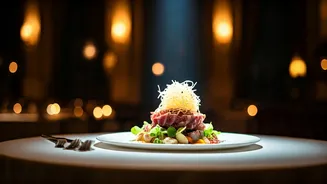
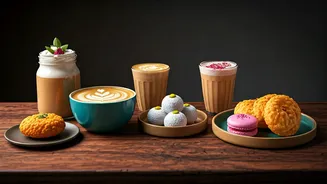
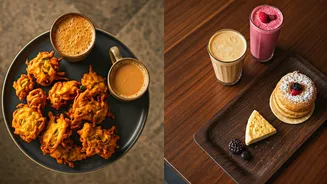
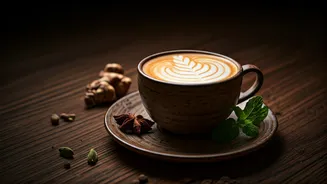
This trend is far more creative than simply placing a samosa next to an espresso machine. It's about thoughtful innovation. Modern Indian café food often involves reinterpreting classic dishes with high-quality, sometimes organic, ingredients and modern cooking techniques. Think of a gourmet vada pav, artisanal filter coffee, or a croissant stuffed with gulab jamun cheesecake or butter chicken. The goal is to retain the soul of the traditional dish while presenting it in a way that fits the contemporary café setting. This fusion isn’t about diluting flavors but elevating them, showing that Indian cuisine can be both comforting and sophisticated. This is part of a broader movement in modern Indian cuisine, which has been shedding its 'cheap-and-good' image for years.
A Sign of Culinary Confidence
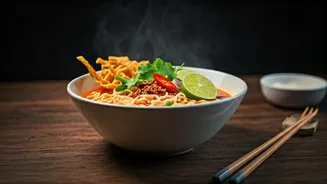
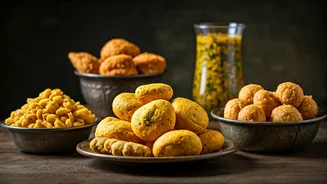
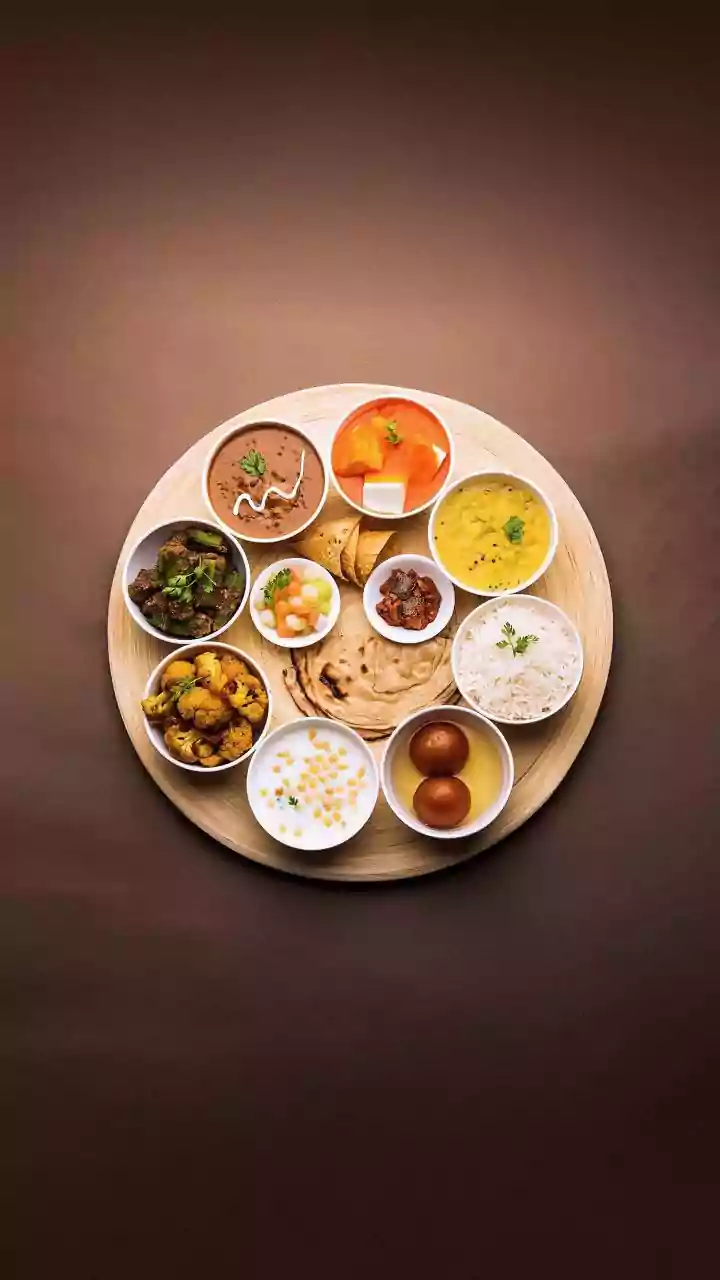
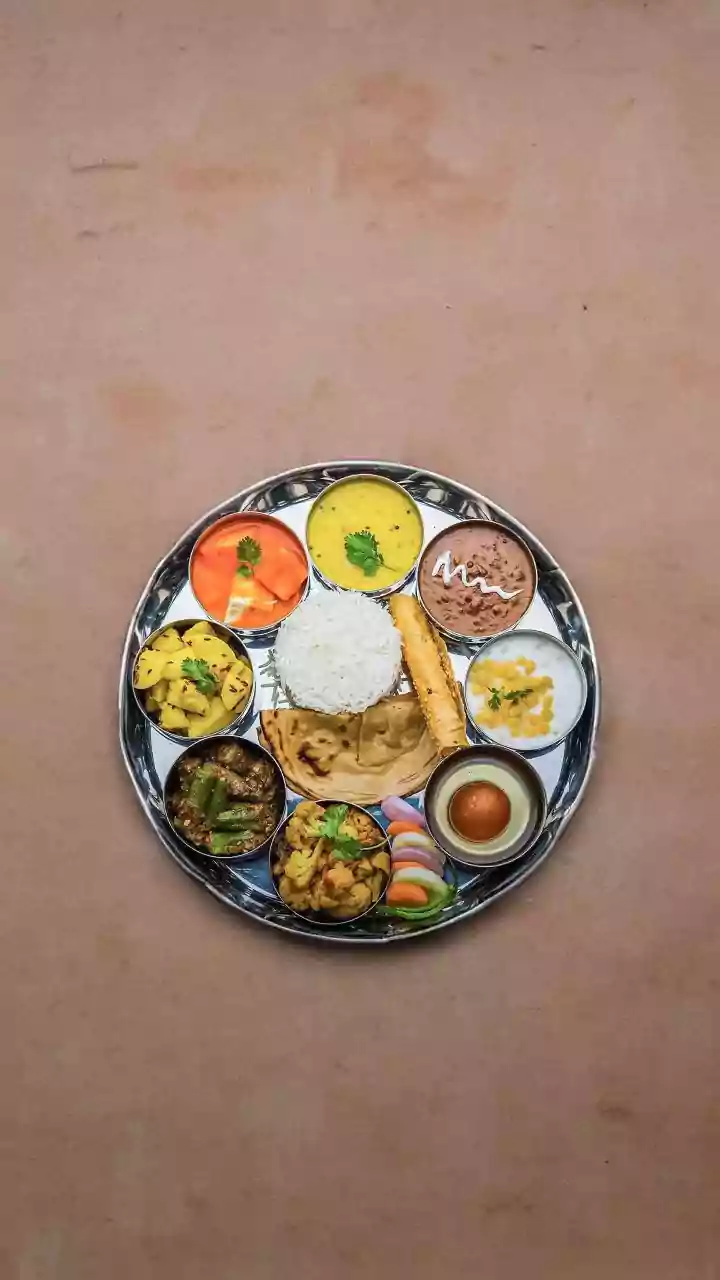
The embrace of Indian classics is also a sign of a new-found confidence within the country's food and beverage industry. For a long time, the benchmark for success was often how well an establishment could replicate international trends. Now, there's a recognition that Indian cuisine, in all its regional diversity, has the power and depth to be the main attraction. Chefs are digging deeper into their own culinary heritage, exploring dishes and flavors from specific states and even family traditions. This move is celebrated by diners who are increasingly curious and adventurous, eager to explore the nuances of Udupi, Chettinad, or Punjabi food beyond the handful of dishes that have been stereotypically popular.