




The Rise of the Micro-Kitchen
You have heard of cloud kitchens—restaurants without a storefront, built purely for delivery. Now, picture a smaller, more nimble version: the micro-cloud kitchen. Often run from a home kitchen or a small, low-cost commercial space, these setups slash
the overheads that would traditionally sink a niche culinary venture. This lean business model has become a game-changer, especially for first-time entrepreneurs who lack the capital for a full-scale restaurant. By focusing on a delivery-only format, they can reach a vast urban audience through platforms like Zomato and Swiggy, letting the food speak for itself without the need for expensive decor or front-of-house staff.
A Bridge to Indigenous Flavours
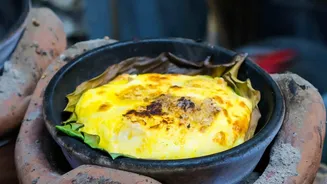
This new model has thrown open a door for cuisines that have long been underrepresented in the urban mainstream. While generic North Indian or pan-Asian menus dominate, a growing number of diners are seeking more authentic, regional, and home-style meals. Micro-cloud kitchens are perfectly poised to meet this demand. In Delhi, for example, a kitchen called Rosoi Ghara is dedicated to serving traditional Odia food, from slow-cooked bamboo mutton to other homestyle recipes. Similarly, the once-misunderstood cuisine of Nagaland is now fueling a wave of entrepreneurship, with dozens of Naga cloud kitchens and delivery services operating in cities like Delhi and Bengaluru. These ventures are bringing the smoky, spicy, and deeply traditional flavours of India’s tribal regions directly to metro diners.
Authenticity as the Main Ingredient
What makes these kitchens special is their unwavering commitment to authenticity. The entrepreneurs are often from the communities whose food they serve. They use family recipes, traditional cooking techniques, and ingredients that are central to their culture, such as fermented soybeans (akhuni) and bamboo shoots in Naga cooking. This isn't a watered-down version for the mainstream palate; it's the real deal. Diana, the founder of Bamboo Hut, a delivery-only Naga kitchen in South Delhi, is one of many entrepreneurs showcasing the unique, bold tastes of her heritage. This focus on genuine flavours is a powerful differentiator in a crowded market, attracting customers who are tired of generic fare and eager for a true culinary experience.
More Than Just a Business
For these entrepreneurs, a micro-cloud kitchen is more than a source of income; it’s a platform for cultural preservation and pride. Food that was once a source of stigma is now celebrated as an exclusive ethnic cuisine. Aruna Tirkey, founder of the Ajam Emba restaurant in Ranchi, has been a key inspiration, building a business around the tribal food of Jharkhand while creating a supply network with local farmers. This model creates a virtuous cycle: it provides economic empowerment to tribal and regional communities, preserves culinary heritage, and enriches the urban foodscape. By making these unique dishes available daily, these kitchens are not just feeding people—they are telling the diverse stories of India, one delivery at a time.