







The Science of 'Exercise Snacking'
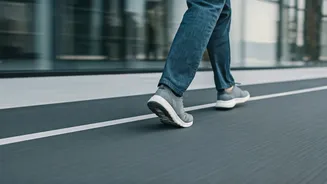
The idea of taking short, frequent walks is part of a growing wellness trend known as 'exercise snacking'. It’s not about food, but rather bite-sized bursts of physical activity throughout the day. Recent studies show that breaking up long periods of sitting
is crucial for health. Research published in the British Journal of Sports Medicine highlights that hourly five-minute walks can significantly boost mood, alertness, and productivity without disrupting workflow. Scientists have found that these mini-breaks counteract many of the negative effects of a sedentary day, from sluggishness to a drop in focus. Studies show that even these short bursts of activity can improve cardiovascular health, help regulate blood sugar, and lower blood pressure. It's a simple, accessible way to combat the risks associated with prolonged sitting, which have been linked to an increased risk of heart disease and even some cancers.
More Than Just Physical Health
The benefits of a five-minute walk extend far beyond the physical. Many people report feeling mentally refreshed and more energetic after a short stroll. Studies have confirmed this, showing that frequent, short walks lead to significant decreases in fatigue and major improvements in mood. Think of it as a mental reset button. Stepping away from your screen, changing your scenery, and moving your body can help clear your head and reduce feelings of stress. This simple act gives your mind a break, allowing you to return to your tasks with renewed focus and creativity. These regular 'movement snacks' can be more effective at reducing stress throughout the day than a single, longer workout followed by hours of sitting. The result is not just a healthier body, but a sharper, happier mind.
How to Make It a Habit
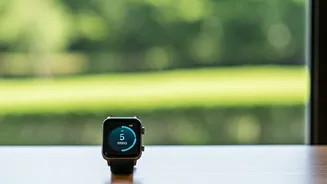
The key to making five-minute walks a consistent part of your workday is to make it easy and automatic. Start by scheduling them in your calendar, just as you would any other meeting. Set a recurring timer for every hour to remind yourself to get up and move. Another effective strategy is to link your walk to an existing habit—a practice known as habit stacking. For example, decide to take a walk after every phone call or right after you finish a big task. You don't need a scenic park; a walk around the office floor, up and down a few flights of stairs, or even a quick loop in the hallway is enough to make a difference. If you work from home, a walk around the block can serve as a 'false commute' to mentally start or end your day. The goal is consistency, not intensity.
Building a Movement-Friendly Workday
Five-minute walks are a great start, but they can be part of a larger strategy to build more movement into your day. Consider 'walking meetings' for one-on-one catch-ups, which can foster more open communication. When you take a phone call, use it as an opportunity to pace around your office or home. Instead of sending an email to a colleague nearby, walk over to their desk for a face-to-face conversation. These small choices add up, increasing your overall daily activity level without requiring a significant time commitment. Encouraging this within a team can create a supportive culture where movement is seen as a normal and essential part of the workday, boosting both individual well-being and collective energy.