


The Scale of the Hidden Deficiency
Studies have pointed out a significant protein deficiency affecting a large part of the Indian population, with some reports suggesting over 70% of individuals consume inadequate amounts. This issue cuts across urban and rural areas and is often called
a 'hidden hunger' because its symptoms are easily mistaken for other problems. Persistent tiredness, unexplained hair fall, slow recovery from illness, and finding it hard to lose weight can all be linked to not getting enough protein. A major reason for this gap is that many people are simply unaware of how much protein their body actually needs each day.
Why Protein Is More Than Just for Muscles
When we hear 'protein', we often think of bodybuilders and muscle growth. While that's true, its role is far more fundamental to our overall health. Proteins are the primary building blocks for almost everything in your body. They are crucial for creating hormones and enzymes that regulate your metabolism, building a strong immune system to fight off infections, and maintaining healthy skin, bones, and organs. Adequate protein also helps you feel full for longer, which can prevent overeating and help stabilize blood sugar levels, preventing those afternoon energy slumps.
Rethinking the Traditional Indian Thali
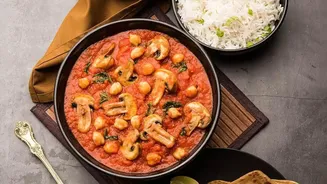
The good news is that the solution isn't to abandon our beloved Indian cuisine. In fact, our traditional meals are incredibly smart. The concept of combining different foods, known as protein complementation, is naturally built into our food culture. Grains like rice and wheat are often low in an amino acid called lysine, while lentils (dals) and legumes are low in another called methionine. When you eat them together—like in dal-chawal, rajma-chawal, or dal-roti—they complete each other, providing your body with all the essential amino acids it needs. The problem is often one of proportion. A typical meal might be heavy on rice or roti with only a small serving of dal. A broader approach means consciously increasing the protein component on your plate.
Affordable Plant-Powered Proteins
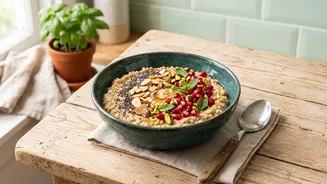
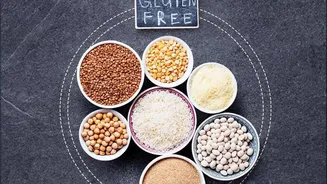
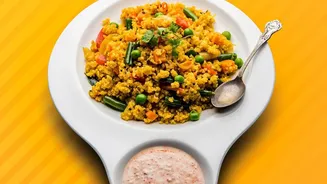
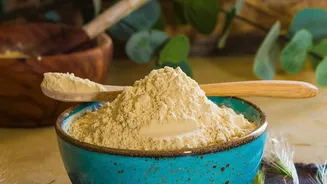
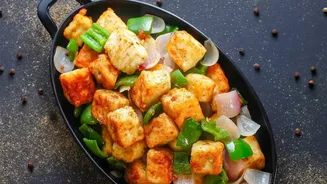
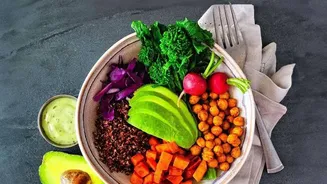
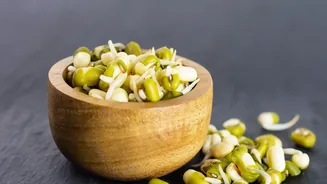
For the vast majority of Indian families, plant-based sources are the most accessible and affordable way to boost protein intake. The key is variety. Including a mix of these foods daily can make a huge difference. Lentils and Legumes: A bowl of dal, chana, or rajma with both lunch and dinner is a foundational step. Sprouted legumes (moong) are also excellent sources. Soy Products: Soy chunks, tofu, and edamame are complete proteins, meaning they contain all nine essential amino acids. Dairy: Paneer and curd (yogurt) are high-quality protein sources that can be easily added to meals or eaten as snacks. Greek yogurt, in particular, is packed with protein. Nuts and Seeds: A handful of almonds, walnuts, or peanuts, or a sprinkle of pumpkin or chia seeds on your food can add a surprising protein punch.
Smart Choices for Non-Vegetarians
For families that include non-vegetarian foods, a few strategic choices can efficiently meet protein needs. Eggs are often considered one of the most complete and affordable protein sources available. Chicken breast and fish are lean options that provide high-quality protein without excess saturated fat. Even for non-vegetarians, the principle of a balanced plate remains important. Combining these with vegetables and whole grains ensures a well-rounded nutritional intake rather than relying solely on one source.