








An Honest Physical Check-In
Adventure sports demand a baseline of physical fitness. Before you even book a trip, conduct an honest self-assessment. Can you handle strenuous activity for an extended period? While you do not need to be a professional athlete for most commercial trips,
being reasonably fit helps. Consider your swimming ability. While you will wear a personal flotation device (PFD), being comfortable in water reduces panic if you fall out of the raft. If you have pre-existing medical conditions, especially heart issues or severe asthma, consult your doctor. Be transparent about your health with the tour operator. They may have specific weight or age limits for certain rapids to ensure safety. Acknowledging these physical realities is the first step toward a safe and enjoyable experience.
Mental Preparedness: Your Onboard Superpower
The power of a roaring river can be intimidating. Mental preparedness is just as vital as physical strength. The most critical component is your ability to listen and follow instructions under pressure. Before every trip, certified guides conduct a detailed safety briefing. They explain paddle commands and what to do in case the raft flips or you are thrown overboard. Pay close attention. Panicking is the greatest danger in any emergency situation. Understanding the plan and trusting your guide’s expertise can keep a challenging moment from turning into a crisis. Remember that feeling nervous is normal, but being able to manage that fear and focus on instructions is a key safety skill.
Understanding the River Itself
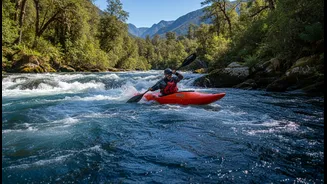
Not all rapids are created equal. The International Scale of River Difficulty classifies rapids from Class I (easy, small waves) to Class VI (unnavigable). Most commercial rafting trips in India, like those on the Ganges or Zanskar, navigate Class II to Class IV rapids. It is crucial to match the river's difficulty with your experience level. Beginners and families should stick to Class II and III rapids, which offer plenty of splashes and fun without extreme risk. Class IV rapids are more advanced, featuring powerful waves and requiring precise maneuvering. Class V is for experts only. Always remember that river conditions can change rapidly due to weather and water levels, which can alter a rapid’s classification.
Choosing Your Guide and Gear Wisely
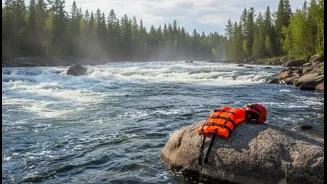
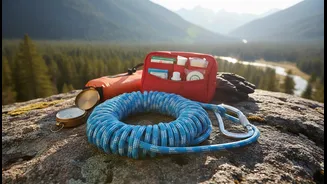
Your guide and your gear are your primary lifelines on the water. In India, the adventure tourism sector's growth has led to many operators, not all of whom are equal. Always choose a certified and reputable company. Look for operators approved by the Ministry of Tourism or belonging to professional bodies like the Adventure Tour Operators Association of India. Ask about their safety record, guide certifications (such as International Rafting Federation or Whitewater Rescue Technician qualifications), and the condition of their equipment. Ensure the provided PFD and helmet are certified and fit snugly. A loose life jacket can be useless in turbulent water. High-quality gear and experienced guides are non-negotiable elements of a safe trip.
On the Water: Active Participation is Key
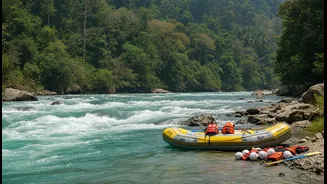
Once you are in the raft, your role is to be an active and attentive team member. This means paddling when instructed and listening for commands from your guide. Do not stand up or make sudden movements in the raft, especially in rapids, as this can easily lead to an accident. If you feel unwell, overly anxious, or exhausted, communicate this to your guide immediately. It is far better to stop or take a break than to push past your limit into a danger zone. Adventure is about challenging yourself, but it is not about taking reckless risks. Following the rules and trusting the professionals in charge ensures that the challenge remains a positive one.