


What's the Fermentation Fuss About?
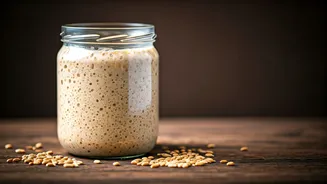
At its core, fermentation is a natural transformation process. Microorganisms like bacteria and yeast break down sugars and starches in foods, creating beneficial compounds like lactic acid, enzymes, and B-vitamins. This process not only preserves food but
also enhances its flavour, creating the signature tangy notes found in everything from sourdough bread to pickles. More importantly, it pre-digests the food, making it easier for our bodies to absorb nutrients. Fermentation essentially unlocks more nutritional value from the ingredients, a key reason it’s been a cornerstone of diets worldwide for thousands of years.
The Gut Health Connection
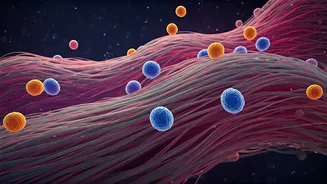
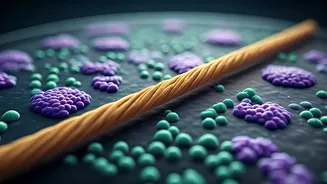
The current buzz around fermented foods is directly linked to a growing understanding of the gut microbiome—the trillions of microbes living in our digestive tract. This internal ecosystem is crucial for digestion, immune function, and even mental well-being, thanks to the gut-brain axis. Fermented foods are rich in probiotics, which are live, beneficial bacteria that help support and diversify our gut microbiome. A diet rich in these foods has been shown to improve digestion, reduce inflammation, and strengthen the immune system, as a significant portion of our immune cells reside in the gut. By feeding our gut good bacteria, we're not just tackling bloating; we're supporting our body’s overall resilience.
A Return to Indian Tradition
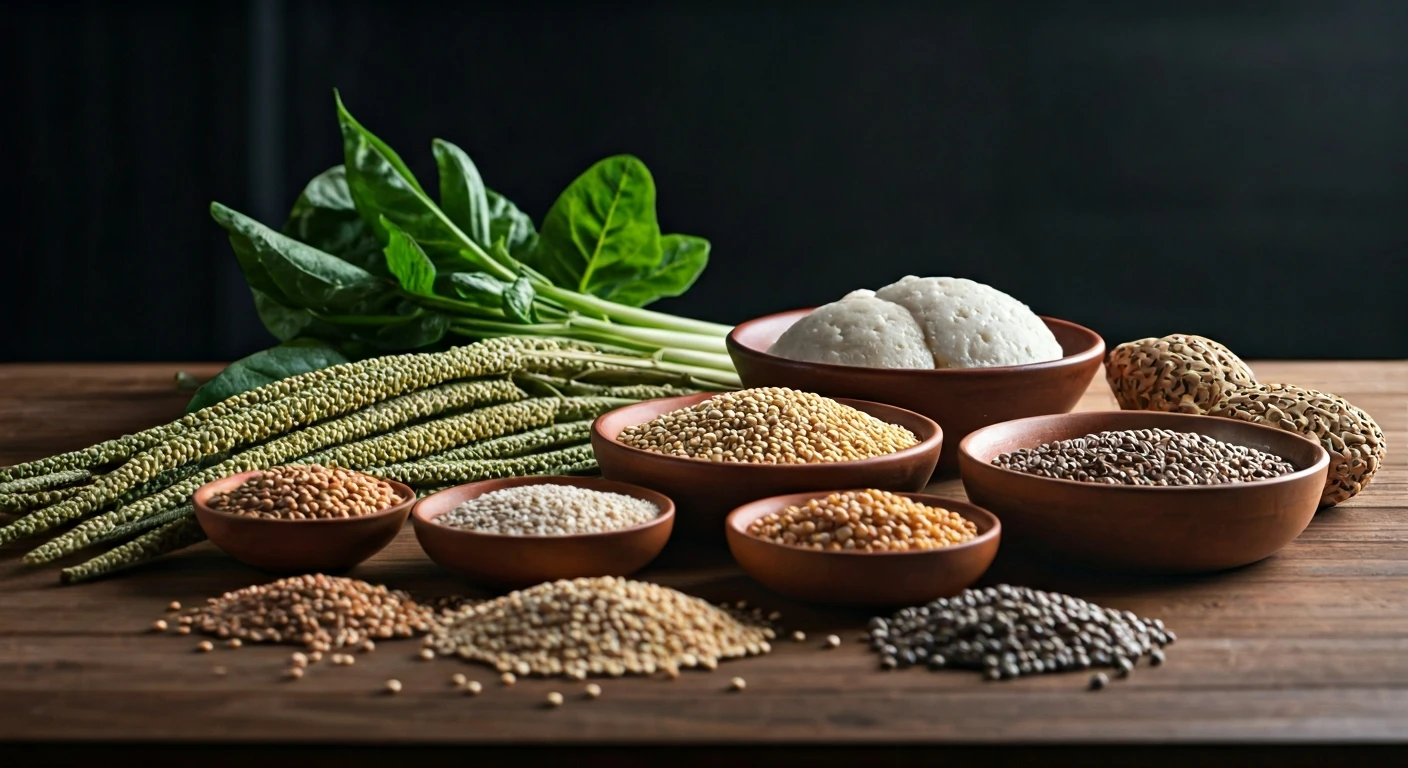
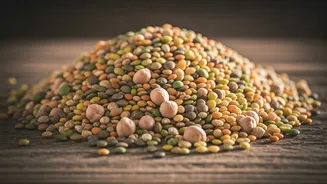
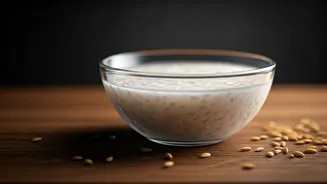
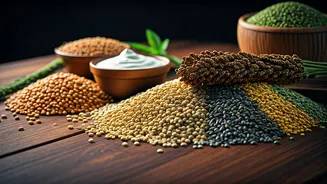
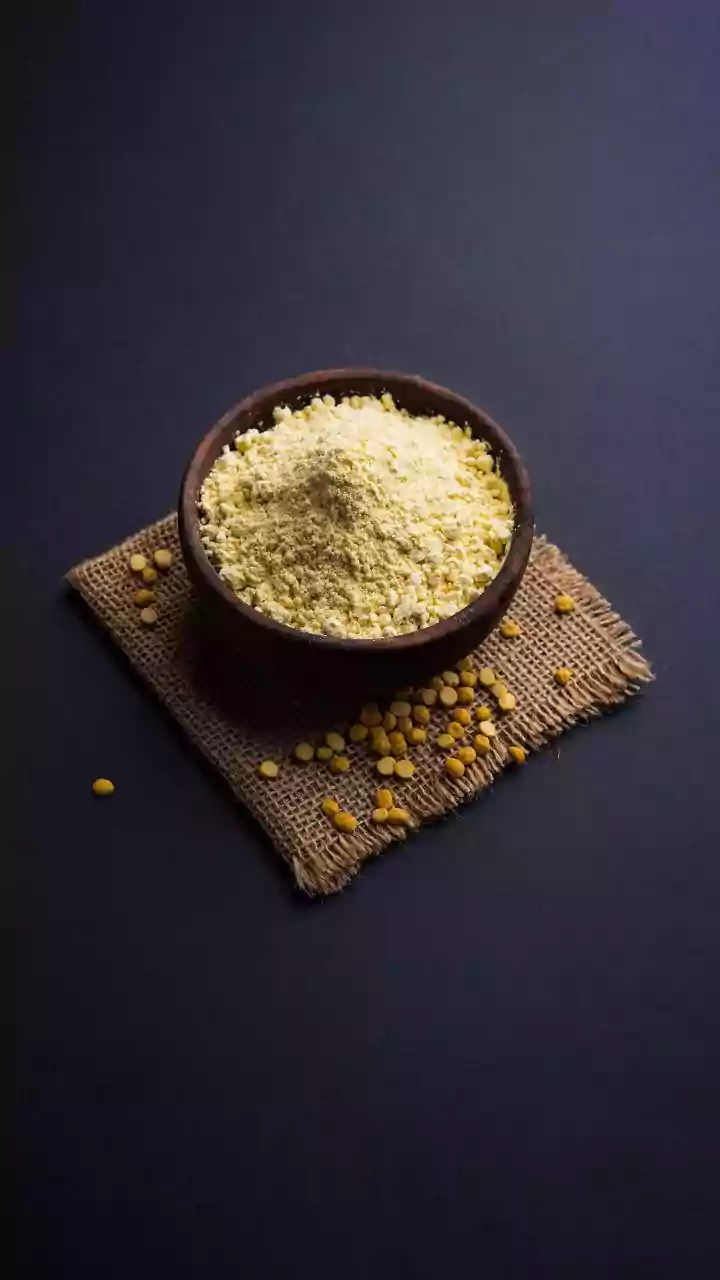
While kombucha and kimchi might seem like new-age health foods, fermentation is deeply rooted in Indian culinary heritage. Many staples we eat daily are, in fact, fermented. Think of the humble dahi (curd), a natural probiotic powerhouse found in nearly every Indian household. The batter for idli and dosa undergoes fermentation, which not only gives them their fluffy texture but also makes the rice and lentils easier to digest. Similarly, Gujarati dhokla, made from fermented rice and chickpea flour, is another example of traditional wisdom at work. Other regional treasures include Kanji, a probiotic-rich drink from North India made with black carrots, and Pakhala or Panta Bhat, fermented rice popular in the East. This global trend is, for many in India, simply a rediscovery of the wisdom already present in our kitchens.
Global Stars and How to Start
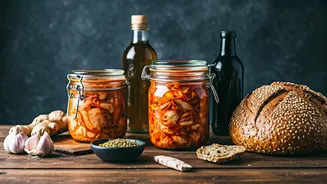
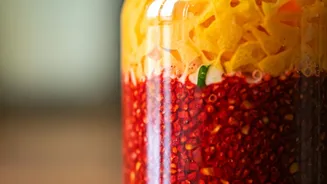
Alongside our traditional fermented foods, global options are becoming more accessible. Kefir, a fermented milk drink similar to a thin yoghurt, is packed with diverse probiotic strains. Sauerkraut (fermented cabbage) and kimchi (its spicy Korean cousin) are excellent ways to add a flavourful, probiotic-rich side to your meals. If you're new to these foods, the key is to start slow. A sudden influx of microbes can sometimes cause temporary bloating or discomfort as your gut adjusts. Begin with small portions, like a spoonful of sauerkraut with your lunch or a small glass of chaas (buttermilk) in the afternoon. Adding a bowl of dahi to your meal, using idli or dosa for breakfast, or sipping on Kanji are all simple ways to incorporate these beneficial foods without drastically changing your diet.