






The Allure and Anxiety of Monsoon Travel
There's nothing quite like a monsoon holiday in India. The rain-washed landscapes, the cooler temperatures, and the fewer crowds create a unique and serene travel experience. From the misty hills of the Western Ghats to the vibrant plains of the north,
the country takes on a different kind of beauty. However, this enchanting season has a notoriously unpredictable side. Heavy rainfall can lead to sudden and severe disruptions that can turn a dream vacation into a logistical and financial nightmare. As recent weather alerts show, intensified monsoon activity can trigger flooding, landslides, and widespread travel issues across many states. This is the dual reality of monsoon travel: breathtaking beauty paired with the constant risk of disruption.
When Your Holiday Plans Get Washed Out
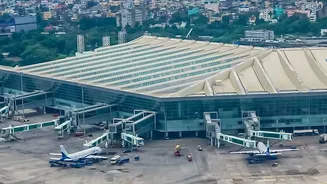
Monsoon-related disruptions are more than just a minor inconvenience; they can derail your entire trip. Airports, especially major hubs like Mumbai and Kolkata, are prone to delays and cancellations due to waterlogging on runways or poor visibility. In July and August, at the peak of the season, it’s not uncommon for flights to be grounded for hours, leading to missed connections. Beyond the airport, ground transport can be equally challenging, with flooded roads and landslides blocking access to popular destinations in hilly regions like Uttarakhand or coastal areas like Goa. This could mean your pre-booked hotel becomes inaccessible or planned activities are cancelled. Without the right protection, you stand to lose the non-refundable costs of flights, accommodation, and tours.
Understanding Flexible Travel Insurance
Standard travel insurance has long been an essential for travellers, but the unique challenges of the monsoon call for a more adaptable solution. This is where flexible travel insurance comes in. Beyond basic coverage, these policies offer features designed for uncertainty. The key benefit is often trip cancellation and trip interruption coverage that specifically acknowledges weather-related events. This means if your flight is cancelled or your hotel is rendered uninhabitable due to a storm, you can be reimbursed for your non-refundable expenses. Many policies also include travel delay benefits, which compensate you for meals and accommodation if you're stranded for a specified period, usually over six hours. This financial safety net is crucial when you’re facing unexpected overnight stays at an airport.
The Ultimate Flexibility: 'Cancel For Any Reason'
For the highest level of confidence, some travellers opt for a 'Cancel For Any Reason' (CFAR) add-on. As the name suggests, this benefit allows you to cancel your trip for any reason that isn't covered by a standard policy and receive a partial refund, typically between 50% and 75% of your non-refundable costs. Perhaps you’re worried about weather forecasts, or maybe your travel companion has a change of heart. With CFAR, you don't need to provide a specific covered reason for cancellation. This add-on costs more and usually must be purchased within a short window after your initial trip booking, but it offers unparalleled freedom and peace of mind for those planning travel during a volatile season like the monsoon.
What to Look For in Your Policy
When choosing a policy for monsoon travel, it's vital to read the fine print. First, confirm that the plan covers cancellations and interruptions due to severe weather. Check the minimum delay time required before benefits kick in. Look for missed connection coverage, which is essential if you have onward flights. Beyond disruptions, consider policies that offer robust medical coverage, as the monsoon season can increase the risk of water-borne diseases or accidents on slippery surfaces. Finally, and most importantly, purchase your insurance before any specific weather event, like a cyclone, is officially named or forecast. Once a storm is a known event, it's generally too late to get coverage for it.