





Why October is a Gardener's Dream
Across much of India, October marks a welcome transition. The heavy rains have subsided, reducing the risk of waterlogging and fungal diseases. The harsh summer heat is a memory, but the soil remains warm enough to encourage seed germination. This combination
of cooler air, milder sunshine, and workable soil creates the 'Goldilocks zone' for a host of plants that will flourish through the winter. It's the ideal window to sow seeds and transplant seedlings, giving them ample time to establish strong roots before the peak of winter. This is the season for a garden reset, clearing out spent summer crops and preparing for a season of lush growth.
Marigolds: The Sunshine of Autumn
No Indian winter garden is complete without the cheerful burst of marigolds (Genda). Culturally significant for festivals like Diwali and Dussehra, their planting in October is a tradition in many households. These flowers thrive in the cool, sunny days of winter, producing larger and more vibrant blooms than in the summer. Marigolds are famously low-maintenance and are not fussy about soil, though they perform best in a well-draining mix. For best results, choose a spot that receives at least six hours of direct sunlight. Water them at the base when the top inch of soil feels dry, but avoid waterlogged conditions, as this can lead to root rot. Sowing seeds in early October ensures a full bloom by late December, just in time for peak season. Regularly removing dried, spent flowers—a practice known as deadheading—will encourage the plant to produce even more blooms throughout the season.
Chrysanthemums: Queens of the Winter Garden
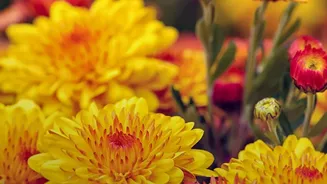
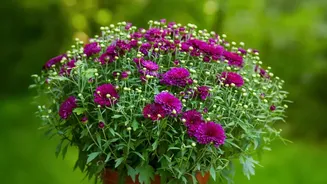
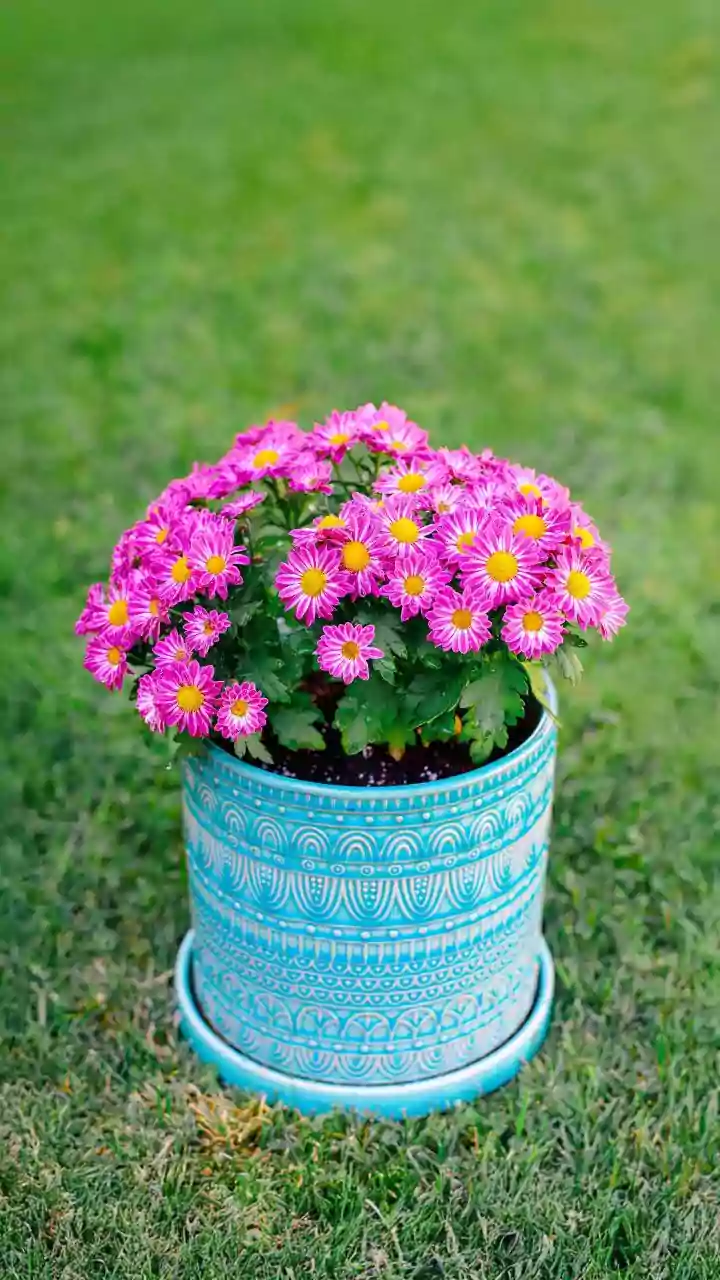
Chrysanthemums, or Guldaudi, are the undisputed queens of the winter flower world in India, known for producing hundreds of flowers from a single plant. Their main blooming season runs from October to February. These plants are what is known as 'short-day' plants, meaning they require long, uninterrupted nights to set buds, making the autumn and winter months their ideal flowering time. For this reason, it's wise to position them away from any artificial night lighting, like balcony or street lamps, which can delay flowering. Chrysanthemums thrive in cool weather, with daytime temperatures between 15°C and 25°C. They need about five to six hours of sunlight and well-drained, nutrient-rich soil. When you purchase a plant from a nursery, shift it to a pot that is a couple of inches wider, being careful not to disturb the root ball. Water when the topsoil feels dry, and provide support with a small bamboo stick, as the weight of heavy blooms can sometimes snap the stems.
Winter Spinach: Your Green Harvest
October is the perfect time to start your winter vegetable patch, and spinach (Palak) is one of the easiest and most rewarding greens to grow. Spinach thrives in the cooler temperatures of winter, which enhances its flavour and slows its tendency to 'bolt' (flower prematurely). For those with limited space, spinach grows exceptionally well in containers or pots at least 6-8 inches deep. Use a quality potting mix rich in organic matter like compost. Sow the seeds about half an inch deep and keep the soil consistently moist until germination, which takes about 5 to 14 days. Once the seedlings sprout, place the pot in a spot that receives full sun, as the winter sun is less intense. Good drainage is crucial to prevent root rot. You can begin harvesting tender leaves in as little as four to five weeks, ensuring a fresh, nutritious supply for your kitchen all winter.