






From Ad-Hoc Stops to Planned Amenities
For decades, travel on India's highways meant relying on a scattered network of roadside dhabas and makeshift rest areas. While these have served a purpose, they often lack standardised services, especially concerning safety and hygiene. The journey is changing
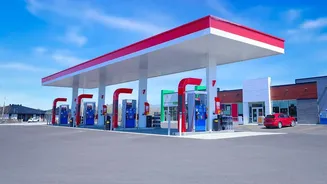
with the development of modern expressways, and so are the expectations of travellers. The National Highways Authority of India (NHAI) has acknowledged the massive gap in services, noting that India's vast highway network has a severe shortage of formal Wayside Amenities (WSAs). The goal is to move from uncertain, ad-hoc stops to organised, predictable facilities every 40-60 kilometres, providing everything from fuel to food courts and clean toilets. This shift is not just about convenience; it is a fundamental upgrade to our national infrastructure, aimed at making long-distance travel safer for everyone, from families on vacation to the truck drivers who form the backbone of our economy.
The Critical Role of Adequate Lighting
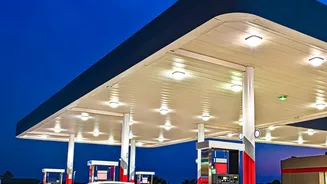
Safety at a roadside stop begins with something as simple as light. Poorly lit or completely dark parking areas and pathways are a significant safety concern, particularly for women, children, and solo travellers. Dimly lit environments can increase the risk of harassment and theft, making travellers feel vulnerable the moment they step out of their vehicle. Campaigns like 'Roshan Dilli' have highlighted the direct link between better public lighting and a greater perception of safety for women. This principle is even more critical on isolated highways. Well-lit facilities, including parking lots, walkways, and the areas around washrooms, act as a natural deterrent to criminal activity. Studies in rural areas have shown that the installation of solar street lights significantly reduces feelings of being unsafe after dark, especially for women. A planned roadside stop must therefore include a comprehensive lighting plan as a non-negotiable element, ensuring all zones are visible and secure throughout the night.
Beyond Basic: The Standard for Washrooms
The state of washrooms is often the most dreaded aspect of a highway journey. Unhygienic toilets are not just unpleasant; they are a public health issue. For many travellers, especially women, the lack of clean, secure, and private facilities is a major source of discomfort and anxiety. A truly functional washroom is more than just a room with plumbing. It requires regular maintenance, proper locks, adequate lighting, and running water. The absence of these basics forces many to either avoid stops altogether, risking their health, or endure unsanitary conditions. Forward-thinking initiatives like the 'Apna Ghar' project for truck drivers and new WSA developments are placing a renewed emphasis on providing clean and hygienic bathrooms. The standard should include separate, well-maintained facilities for men and women, accessibility for persons with disabilities, and child-care rooms—amenities that cater to the diverse needs of modern travellers.
Fresh Food Turnover: Not a Game of Chance
A hot meal at a highway dhaba is a cherished part of the travel experience, but food safety should never be a gamble. The term "fresh food turnover" refers to how quickly a restaurant uses its ingredients and serves its dishes. High turnover is a good sign; it means food isn't sitting for long periods, reducing the risk of spoilage and foodborne illnesses. Recent inspections have revealed significant hygiene violations at some highway eateries, including the use of expired ingredients, stale food, and unhygienic kitchens, leading to hefty fines. When choosing a place to eat, travellers can look for signs of high turnover, such as a busy kitchen and a steady stream of customers. A packed parking lot, especially with trucks, is often an indicator of a popular and trusted establishment. As NHAI develops more formal WSAs, standardised food safety regulations will become easier to enforce, ensuring every meal is both delicious and safe.