



From Heirloom to High Street
Not long ago, handloom fabrics were often seen as something reserved for older generations or grand festive events. Today, however, a significant shift is underway. Younger, style-conscious Indians are moving away from mass-produced clothing and embracing
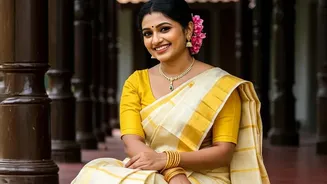
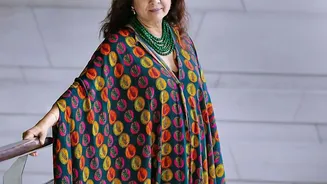
textiles with a story. Fabrics like Khadi, Ikat, Jamdani, and Chanderi are shedding their traditional-only tag and being fashioned into everything from streetwear to chic workwear. Designers and indie labels are creating contemporary silhouettes like structured jackets, crop tops, co-ord sets, and relaxed-fit dresses, proving that handloom can be both timeless and undeniably cool. This isn't just about reviving old textiles; it's about reinterpreting them for a new generation that values individuality.
The Rise of the Conscious Consumer
This trend is driven by a deeper change in mindset. India's urban youth are part of a global movement towards more sustainable and ethical consumption. Growing awareness about the environmental damage caused by fast fashion—from massive textile waste to pollution—has led many to seek alternatives. Handloom production, which uses minimal electricity and often relies on natural fibres and dyes, offers a compellingly sustainable option. Choosing handloom is a vote for 'slow fashion'—a philosophy that prioritises quality, durability, and a connection to the maker over fleeting trends. It’s a conscious decision to buy less but buy better, supporting both the planet and the livelihoods of artisan communities.
A Modern Blend of Style and Story
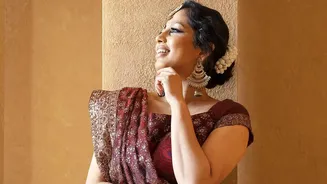
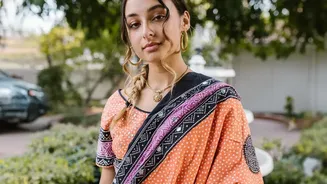
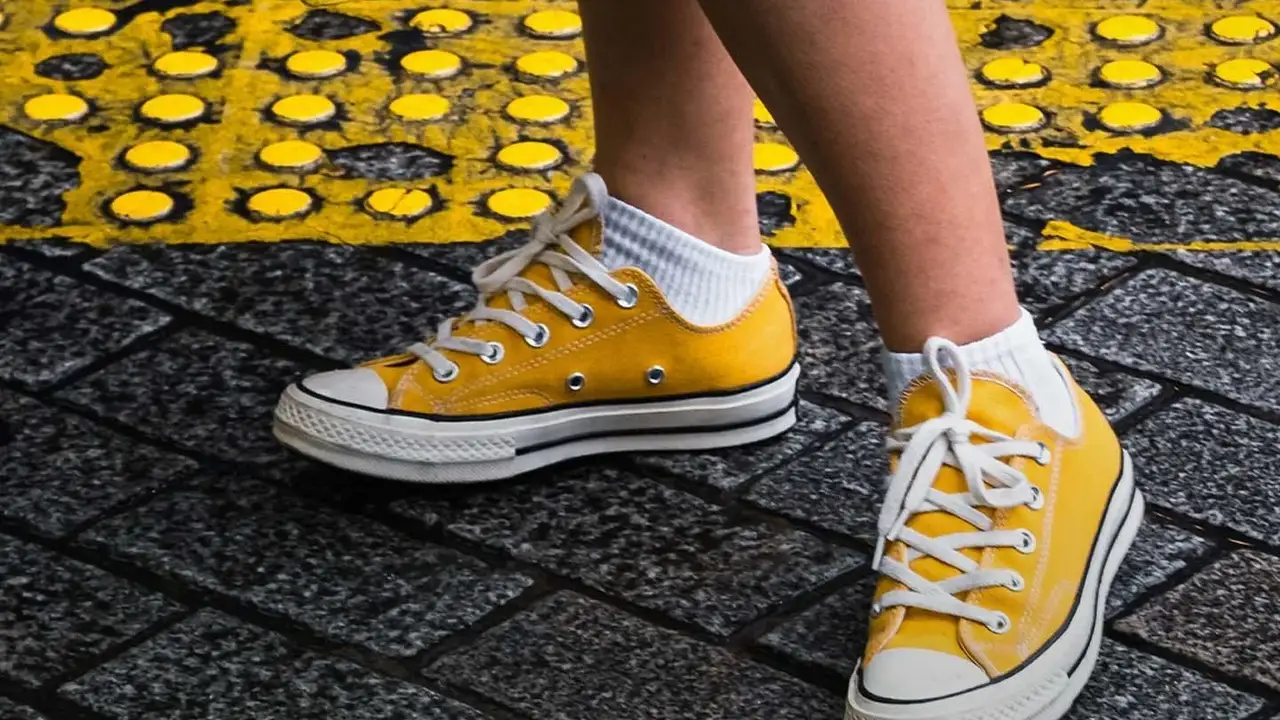
The appeal of handloom for young people goes beyond sustainability. In an era of globalised trends, these fabrics offer a unique form of self-expression rooted in Indian heritage. Each handwoven piece has slight irregularities that are not seen as flaws, but as the signature of human craftsmanship, making every garment one-of-a-kind. Young wearers are styling these fabrics in innovative ways, pairing heirloom sarees with sneakers and crop tops, or throwing an Ajrakh stole over a simple shirt. This fusion of traditional craft with modern styling is heavily amplified by social media, where influencers and digital-first brands showcase the versatility of handloom fabrics, making them more accessible and desirable than ever.
Indie Brands and Digital Runways
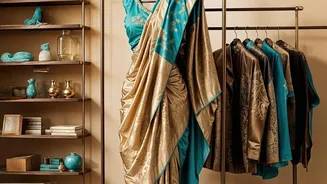
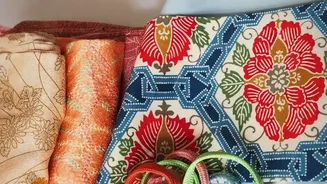
A new wave of homegrown Indian brands is at the forefront of this movement. Labels like 11.11/eleven eleven, Dressfolk, Eka, and others are making handloom the foundation of their collections, not just a seasonal accent. They work directly with artisan clusters across the country, transforming fabrics like Mizo Puan, Kala cotton, and Banarasi silks into contemporary clothing that feels relevant for a global audience. These brands use platforms like Instagram to not only sell their products but also to tell the stories behind the fabrics—who made them, where they came from, and the centuries-old techniques involved. This transparency builds a strong connection with young consumers who want to know the 'why' behind what they wear.