




In a world dominated by desk jobs and long commutes, hip stiffness has become an everyday complaint. That tight, locked-up feeling is your body's signal for help. The good news? You can fight back right from your living room.
Why Your Hips Get So Stiff
When you spend hours sitting,
your body adapts to that position. The muscles at the front of your hips, known as the hip flexors, remain shortened and can become tight and stiff. At the same time, your gluteal muscles (your glutes) can become inactive or weak from lack of use. This combination of tight flexors and weak glutes creates a muscular imbalance that pulls on your pelvis and can lead to that familiar feeling of stiffness, discomfort, and even lower back strain when you finally stand up. Reduced blood flow from being stationary also contributes to that achy, locked-up sensation.
The Kneeling Hip Flexor Stretch
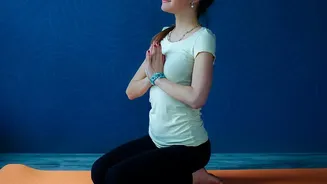
This classic stretch directly targets the tight hip flexors. Start by kneeling on one knee, using a cushion or mat for comfort. Place your other foot flat on the floor in front of you, creating a 90-degree angle with that knee. Keeping your back straight and core engaged, gently push your hips forward until you feel a comfortable stretch in the front of the hip of your kneeling leg. Avoid arching your back; the movement should come from the hips. Hold this position for 20 to 30 seconds, breathing deeply. Switch legs and repeat. This stretch is excellent for lengthening the muscles that get shortened from sitting all day.
The Seated Figure-Four Stretch
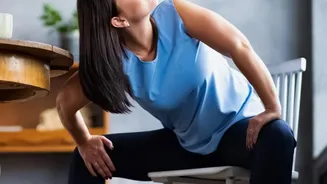
You can do this stretch without even leaving your chair, making it perfect for a quick work break. Sit upright in your chair with both feet flat on the floor. Cross one ankle over your opposite knee, creating a '4' shape with your legs. Flex the foot of the crossed leg to help protect your knee. Now, keeping your back straight, gently lean forward from your hips until you feel a stretch deep in the glute and hip of the crossed leg. You can apply gentle pressure to the bent knee for a deeper stretch, but do not bounce. Hold for 20 to 30 seconds, then switch to the other side.
The 90/90 Stretch
This is a powerful stretch for improving both internal and external hip rotation. Sit on the floor. Position your front leg so your shin is parallel to your body, with your knee bent at a 90-degree angle. Your back leg should be extended out to the side, also with the knee bent at 90 degrees. Try to keep both hips on the ground. Sit tall, and for a deeper stretch in the front hip, you can lean your torso forward over your front shin. This position can be intense, so ease into it. Hold for 30 seconds before carefully switching the position of your legs.
The Glute Bridge
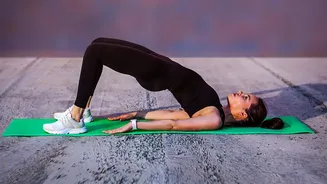
Strengthening your glutes is just as important as stretching your hip flexors. Lie on your back with your knees bent and feet flat on the floor, about hip-width apart. Place your arms by your sides. Engage your core and squeeze your glutes as you lift your hips off the floor, creating a straight line from your shoulders to your knees. Pause at the top, focusing on the contraction in your glutes, then slowly lower your hips back down. Avoid arching your lower back. Aim for 10-15 repetitions. This exercise helps 'wake up' the glute muscles that become inactive from sitting.
Building a Daily Habit
The key to combating sitting stiffness is consistency. You don't need to spend an hour at the gym; the goal is to integrate small, frequent movements throughout your day. Try setting a reminder to stand up and perform one or two of these stretches every 30-60 minutes. Doing a few glute bridges in the morning or the Seated Figure-Four stretch during a conference call can make a significant difference. By making these simple exercises a regular part of your routine, you actively counteract the negative effects of a sedentary lifestyle and help your hips feel more mobile, flexible, and pain-free.