


Beyond Basic Peanut Butter
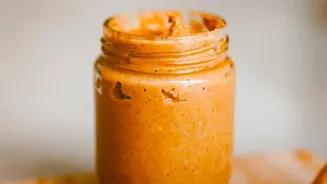
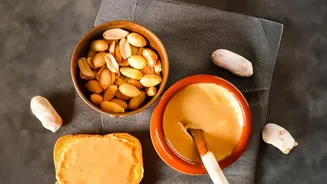
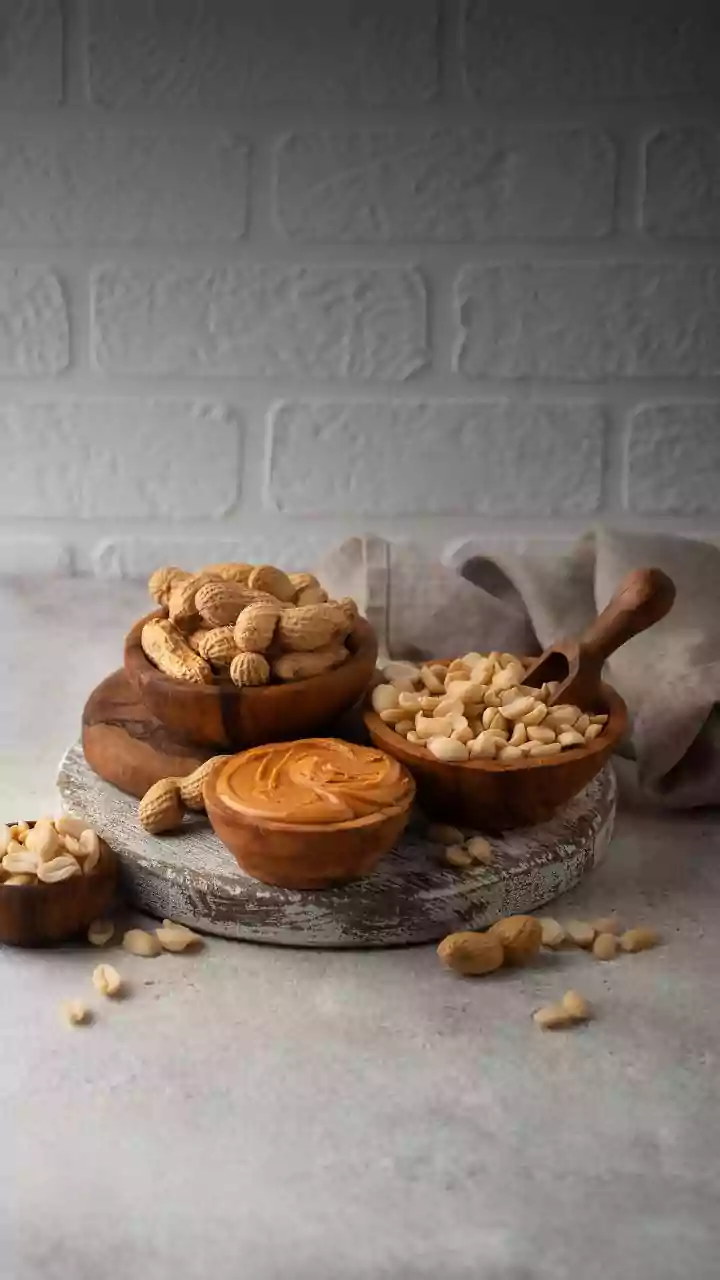
For years, the choice was simple: crunchy or smooth. But today’s spread aisle tells a different story. Artisanal nut and seed butters have emerged as flavourful, nutrient-dense powerhouses. Think beyond just peanuts to blends of almonds, cashews, walnuts,
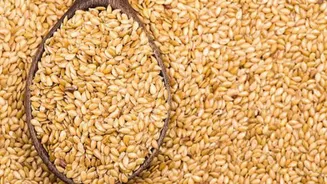
and seeds like chia, flax, and sunflower. What truly sets them apart are the creative infusions of spices. Instead of just salt, these butters often feature cinnamon, cardamom, turmeric, or even rosemary, transforming them from a simple topping into a complex ingredient. This new wave focuses on short, clean ingredient lists, celebrating the natural taste and nutritional benefits of their core components.
The Problem with Palm Oil
Many conventional nut butters include palm oil to create a smooth, homogenous texture that prevents the natural oils from separating. While convenient, this additive is a cause for concern. Environmentally, the demand for palm oil is a major driver of deforestation, contributing to climate change and the destruction of vital wildlife habitats for species like the orangutan. From a health perspective, the refined palm oil used in many spreads is often highly processed and offers little nutritional value. It is higher in saturated fat compared to the heart-healthy monounsaturated and polyunsaturated fats naturally found in nuts and seeds. By opting for palm oil-free butters, which may require a quick stir, consumers choose a product that is better for both their bodies and the planet.
Saying No to Refined Sugar
Another common ingredient in mass-market spreads is refined sugar. High consumption of added sugars is linked to a variety of health issues, including an increased risk of obesity, type 2 diabetes, and heart disease. Artisanal producers are responding to health-conscious consumers by sweetening their products differently, if at all. Many are completely unsweetened, relying on the natural sweetness of the nuts. Others use natural sweeteners like date paste, monk fruit, or a touch of maple syrup. These alternatives are often less processed and can retain some nutritional benefits, like the fibre found in date paste. This shift allows the flavour of the high-quality nuts and spices to shine through without an overwhelming, sugary taste.
A Nutrient-Dense Powerhouse
At their core, nut and seed butters are nutritional superstars. They are an excellent plant-based source of protein, healthy fats, and fibre, which work together to keep you feeling full and satisfied. Different nuts and seeds bring unique benefits: almonds are rich in Vitamin E and magnesium, while walnuts are a great source of plant-based omega-3 fatty acids. The addition of seeds like flax and chia further boosts the omega-3 and fibre content. Spices add another layer of wellness; turmeric is known for its anti-inflammatory properties, while cinnamon can add warmth and flavour without any sugar. By combining these elements, artisanal butters offer a simple way to add a concentrated dose of vitamins and minerals to your diet.
More Than Just a Toast Topper
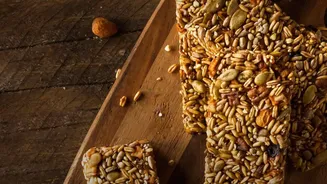
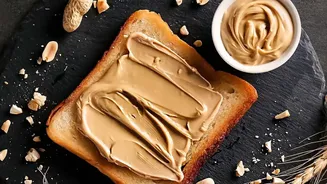
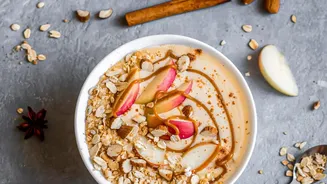
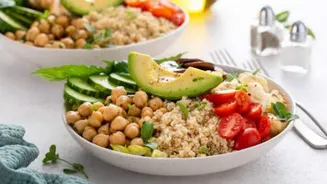
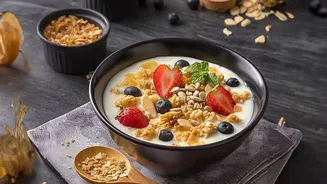
While delicious on a slice of whole-grain toast, the uses for these flavourful butters are nearly endless. Whisk them into dressings for salads or savory sauces for stir-fries and noodles. A spoonful can add creaminess, protein, and healthy fats to your morning smoothie or bowl of oatmeal. They also serve as a perfect binder for homemade energy balls and granola bars. For a simple, satisfying snack, use them as a dip for apple slices or celery sticks. In savory cooking, cashew or almond butter can add a rich, creamy texture to curries and stews without any dairy.