







Master Your Travel Logistics
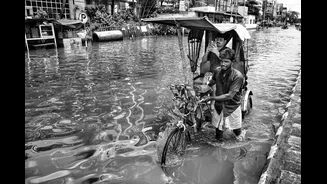
The biggest hurdle on a rainy exam day is simply reaching the center on time. Heavy rains often lead to unpredictable traffic and waterlogged roads, making your usual commute unreliable. Start by planning to leave home at least 30 to 45 minutes earlier
than you normally would. Check for real-time traffic updates and have a backup route in mind. If possible, do a dry run of the journey to the exam center a day or two before to familiarise yourself with the route and potential choke points. Coordinating with friends to book a cab or arranging for a parent to drop you off can provide a more reliable alternative to public transport, which can be severely disrupted. The goal is to arrive with time to spare, not rush in flustered and drenched.
Assemble a Monsoon-Proof Exam Kit
Your standard exam kit needs a monsoon upgrade. The most crucial addition is a waterproof bag or at least a durable plastic cover for your existing bag to protect your essentials. Your admit card, ID proof, and other documents should be sealed in a transparent ziplock bag. A few drops of water can smudge the ink on an admit card or damage a photograph, creating unnecessary stress at the entry gate. Pack an extra pen or two, also in a waterproof pouch. It's also wise to carry a small, quick-dry towel and perhaps an extra pair of socks to change into if your feet get wet. Arriving with dry documents and functional stationery keeps your focus where it needs to be: on the exam.
Dress for the Weather
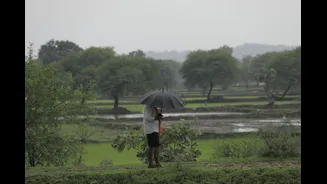
What you wear can significantly impact your comfort. Avoid heavy fabrics like denim that take a long time to dry. Instead, opt for lightweight, quick-drying materials. Your choice of footwear is equally important. Avoid slippers or sandals that can be slippery on wet floors. Choose footwear with a good grip, like floaters or sturdy sandals, that won't become a hazard on slick surfaces. Always carry a reliable umbrella or a raincoat. A bright-coloured raincoat can also improve your visibility to traffic on gloomy, overcast days. Some students even keep a spare set of dry clothes at a friend's place near the center, just in case of a complete downpour.
Manage Your Mindset
The psychological impact of a chaotic journey can be more damaging than getting physically wet. Arriving late, drenched, and stressed can sabotage your performance before you even enter the hall. Practice staying calm. Accept that you cannot control the weather, but you can control your preparation and reaction. If you leave early, you give yourself a buffer to handle unexpected delays without panicking. Use the extra time at the center to find a quiet corner, dry off, take a few deep breaths, and mentally review key formulas or points. Avoid last-minute discussions with anxious friends, which can often increase stress. A calm mind can recall information far more effectively than one frazzled by travel woes.
What If Things Go Wrong?
Despite the best planning, you might get stuck in a major traffic jam or a severely flooded area. In such a scenario, don't panic. Keep the contact number of the exam center or the official board helpline handy. If you anticipate a significant delay, inform them of your situation. While rules for late entry are often strict, a proactive call can sometimes make a difference. In some extreme cases of city-wide flooding, examination boards have been known to make accommodations, though this is rare. Knowing who to contact provides a clear course of action in a worst-case scenario, which is better than feeling helpless.