






Embrace 'Movement Snacking'
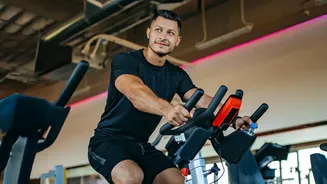
December isn't the month to aim for personal bests; it's about maintaining momentum. Instead of feeling guilty about missing a full hour-long workout, embrace the concept of 'movement snacking'. This involves breaking up activity into small, manageable
chunks throughout the day. Research shows that even brief periods of movement add up, providing cardiovascular and metabolic benefits. A 10-minute walk here, a few sets of squats there—it all contributes to your weekly activity goal and is far better than doing nothing at all. Think of it as bridging the gap between your usual routine and complete inactivity.
Turn Social Time into Active Time
Holidays are about connecting with loved ones, so why not make your activities active? Instead of gathering around a table, suggest a group walk to look at neighbourhood decorations, organize a friendly game of football in the park, or even have a dance-off to festive music in the living room. Walking together, in particular, is a low-impact way to get fresh air, aid digestion after a meal, and have quality conversations away from the distractions of an indoor setting. It turns exercise from a solitary task into a shared, memorable experience.
Try High-Intensity, Low-Time Workouts
When your schedule is packed, efficiency is key. High-Intensity Interval Training (HIIT) is perfect for the festive season because it delivers maximum impact in minimal time. These workouts involve short bursts of all-out effort followed by brief rest periods. A session can be as short as 10 to 20 minutes and still be incredibly effective at boosting your heart rate and burning calories. Formats like Tabata—eight rounds of 20 seconds on, 10 seconds off—can be completed in just four minutes. You can use simple, equipment-free bodyweight exercises like jumping jacks, push-ups, burpees, and squats.
Use Your Own Bodyweight
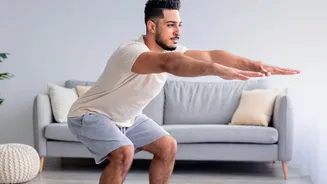
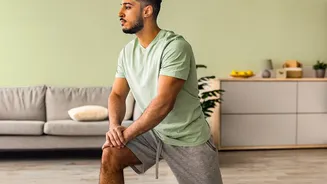
One of the biggest hurdles to exercising during the holidays, especially when travelling, is the lack of equipment. The solution is to use the one machine you always have with you: your body. Bodyweight exercises like squats, lunges, planks, push-ups, and glute bridges are highly effective and can be done anywhere, from a hotel room to your childhood bedroom. You can create a simple circuit by performing 10-15 reps of three or four different exercises and repeating it a few times for a quick, effective strength workout.
Schedule Movement and Make it Non-Negotiable
What gets scheduled gets done. At the start of each week, look at your calendar and block out short, realistic time slots for physical activity, just as you would for a party or a shopping trip. This might mean a 20-minute workout first thing in the morning before the day's chaos begins or a brisk walk during your lunch break. By treating movement as a firm appointment, you are mentally prioritizing your well-being. This structure helps you maintain a sense of routine when other habits fall by the wayside.
Focus on the Mental Health Benefits
While managing calories is a common motivator, the mental health perks of exercise are especially valuable during the hectic festive season. Physical activity is a proven stress reliever, helping to lower levels of stress hormones like cortisol and release mood-boosting endorphins. Even a quick walk can help clear your mind, reduce anxiety, and improve your sleep quality, which is often disrupted by late nights and travel. Staying active can give you more energy to combat that sluggish feeling from rich meals and keep your spirits high, allowing you to enjoy the festivities more fully.