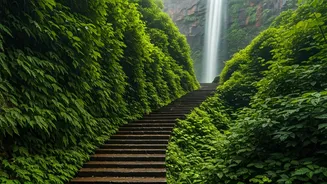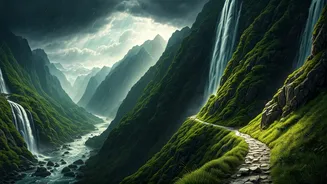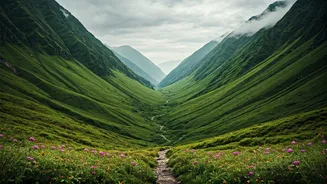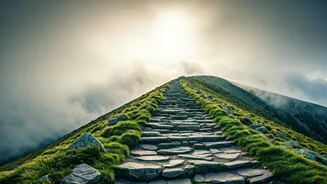



The Allure and The Alarm
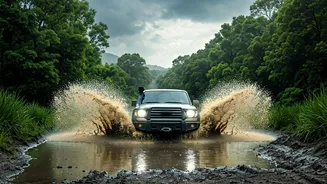
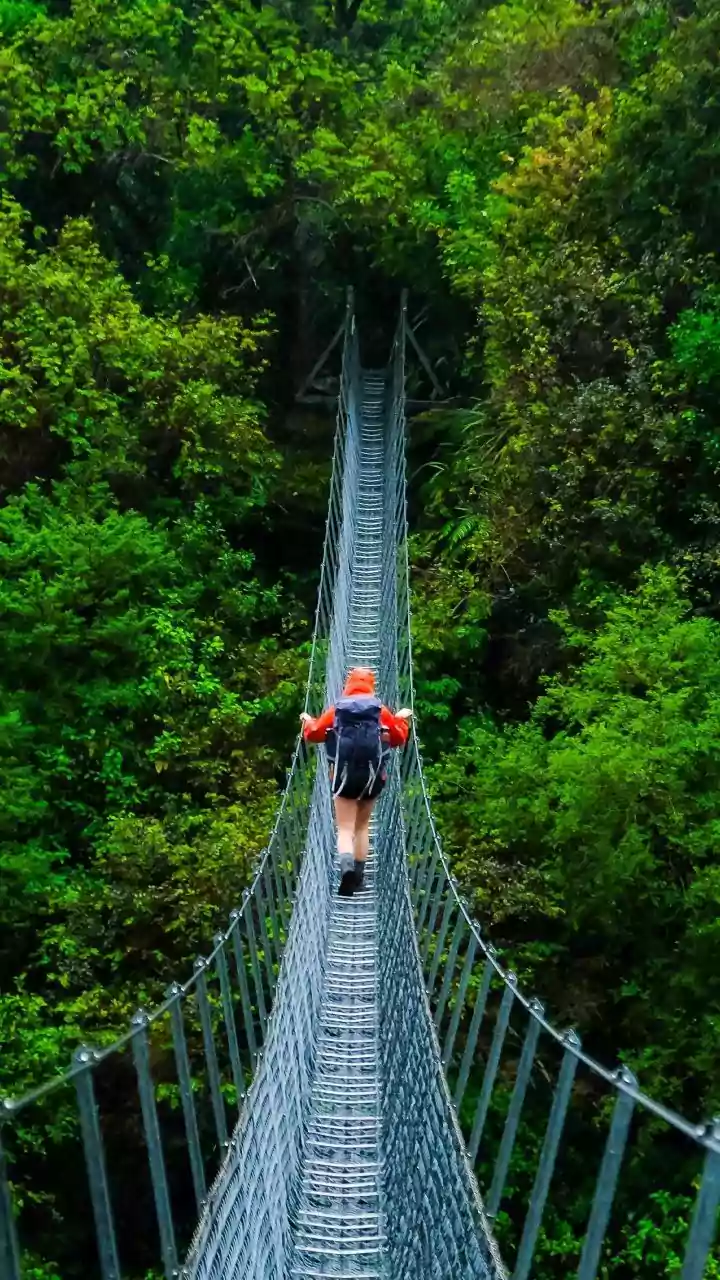
Trekking in the monsoon is an entirely different sport. It’s not simply about getting wet. It's about navigating a landscape that is actively changing around you. Gentle slopes become slick mudslides, dusty trails turn into slippery streams, and visibility
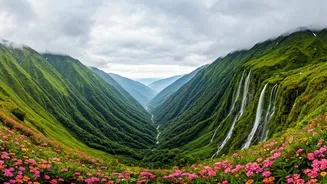
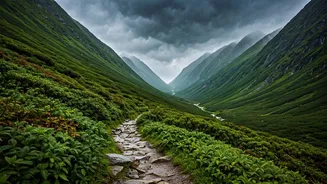
can drop to near zero in minutes. The reward? Unparalleled beauty. The mountains are washed clean, the valleys are a vibrant, impossible green, and waterfalls erupt from every cliff face. But this beauty comes with a high price. The challenges are amplified tenfold: rocks lose all friction, river crossings become hazardous, and the constant dampness can lead to hypothermia even in moderate temperatures. This is not for the novice or the unprepared; it is for the trekker who understands and respects the raw power of nature.
Kalavantin Durg, Maharashtra
Often called the 'Climb to Heaven', Kalavantin Durg is infamous for its final ascent: a series of steep, narrow steps carved directly into a sheer rock face, with no railings and terrifying exposure on either side. It’s a nerve-wracking climb on a dry day. During the monsoon, it becomes a true test of courage. Each stone step becomes a slippery, moss-covered hazard. The wind howls around the pinnacle, and the clouds can completely obscure your view, leaving you feeling like you’re climbing into a white void. Trekkers often have to crawl on all fours. While the panoramic view of the surrounding Prabalgad fort and lush green landscape is breathtaking, a single misstep can be fatal. This trek demands excellent footwear, a steady hand, and absolutely no fear of heights.
Harishchandragad via Nalichi Vaat, Maharashtra
If Kalavantin Durg is a test of nerves, Harishchandragad via Nalichi Vaat is a full-blown examination of technical skill. 'Nalichi Vaat' translates to 'The Pot's Route', a narrow, rock-strewn gully that ascends steeply to the main plateau. In the monsoon, this gully transforms into a series of cascading waterfalls. Climbing it means navigating slippery, 80-degree rock patches with water rushing over you. It's less of a trek and more of a semi-technical climb that requires ropes and, ideally, basic rock-climbing knowledge. The route is notoriously difficult to navigate in the thick fog, and the risk of rockfall is significant. It is strictly for highly experienced trekkers accompanied by a certified local guide who knows the route intimately. The reward is reaching the majestic Konkan Kada, but the journey there is one of the Sahyadris' most perilous.
Hampta Pass, Himachal Pradesh
A classic Himalayan crossover trek, Hampta Pass is a beautiful journey from the green Kullu valley to the arid landscapes of Spiti. While it's a moderate trek for most of the year, it takes on a different personality during the peak monsoon months of July and August. The primary challenge isn't just the altitude (14,100 ft) but the river crossings. The Shea Goru campsite, a highlight of the trek, is reached after crossing a frigid, glacial river. In the monsoon, this stream swells into a powerful, waist-deep torrent. Trekkers often have to form human chains, leaning against the powerful current, to make it across safely. The trail can be prone to landslides, and the constant rain at high altitudes dramatically increases the risk of hypothermia. This is where a Himalayan trek tests not just your legs, but your resolve and teamwork.
Before You Go: A Reality Check
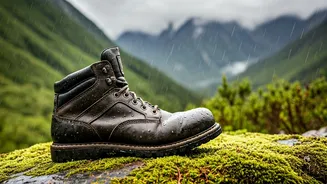
Tackling these climbs requires more than just enthusiasm. Your preparation must be meticulous. First, invest in footwear with exceptional grip; this is non-negotiable. Waterproof everything using dry bags and pack liners—a wet sleeping bag or set of clothes can be a trip-ending disaster. Pack leech socks for the Sahyadris. More importantly, check the weather obsessively and hire a local, certified guide who has experience on that specific trail during the monsoon. They know the safe routes, understand the water levels, and can make the crucial call to turn back if conditions become too dangerous. The mountain will always be there, but your safety is paramount. Ego has no place on a rainy, exposed cliffside.