








Start at the Top: Inspect Your Roof
Your roof is your home’s primary shield against the downpour. Before the first showers, it's crucial to conduct a thorough inspection. Look for any cracked, broken, or missing tiles. On flat terraces, check for cracks in the surface or corners where water
can pool and seep through. Debris like leaves and twigs can also accumulate and block water flow, leading to stagnation. If you find minor cracks, you can often fix them yourself with a quality waterproof sealant available at most hardware stores. For more significant damage, especially loose tiles or extensive cracking, it’s wise to call a professional roofer. A pre-monsoon waterproofing treatment for the terrace is a fantastic investment that can prevent costly ceiling damage for years to come.
Clear All Drains and Gutters
This is one of the most critical and often overlooked tasks. Clogged drains and gutters are the main culprits behind waterlogging on your terrace, balcony, and around your property. When water has nowhere to go, it will find a way into your home. Take the time to clear out all leaves, plastic bags, dust, and other debris from your drainage pipes and rainwater gutters. A simple check can be done by pouring a bucket of water down the drain to see if it flows freely. If you notice a slow drain, it might be due to a deeper blockage that requires a plumber's snake or professional cleaning. Ensuring a clear path for rainwater prevents overflow, protects your foundation, and keeps your walls safe from water damage.
Check Walls for Cracks and Damp
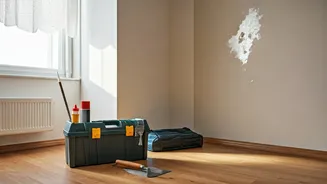
Your home's exterior walls take a beating from the sun and heat, which can lead to cracks. During the monsoon, these small fissures become entry points for water, causing damp patches, peeling paint, and mould growth inside. Carefully inspect all exterior walls for any visible cracks. For minor hairline cracks, a coat of waterproof exterior paint can often do the trick. For larger gaps, you’ll need to fill them with a suitable crack-filling compound before painting. Also, check interior walls for any existing signs of dampness from previous years. Addressing these spots now will prevent them from getting worse once the heavy rains begin.
Seal Your Windows and Doors
Gaps in window and door frames are an open invitation for wind-driven rain. Check the sealant or caulk around your window frames. Over time, it can dry out, crack, and create gaps. Re-caulking these areas is a simple and effective DIY project. For wooden windows and doors that may have swollen or warped, a carpenter might need to shave them down for a proper fit. Ensure that all metal frames are free of rust, as rust can weaken the structure and allow water to seep in. A fresh coat of waterproof paint or varnish on wooden frames can also add a protective layer against moisture.
Safeguard Your Electricals
Water and electricity are a deadly combination. Before the monsoon, it’s essential to have a qualified electrician inspect your home’s wiring. Check for any exposed or frayed wires, especially on the exterior of your house, near the meter box, or in areas prone to dampness like balconies and bathrooms. Make sure all outdoor sockets are covered with waterproof casings. It’s also a good idea to install an Earth Leakage Circuit Breaker (ELCB) or a Residual Current Circuit Breaker (RCCB) if you don’t already have one. These devices are designed to automatically cut off the power supply in case of a leakage, preventing electric shocks.
Protect Wooden Furniture and Fixtures
High humidity during the monsoon can cause wooden furniture, doors, and cupboards to swell, making them difficult to open and close. This excess moisture can also lead to mould and termite infestations. Move your valuable wooden furniture away from walls that are prone to dampness. You can place small moisture-absorbent pouches (like silica gel) inside wardrobes and cabinets to keep clothes and interiors dry. Applying a fresh coat of wax, polish, or varnish provides a protective barrier against moisture. For doors and windows that get stuck, rubbing the edges with a candle or sandpaper can help ease the friction.
Prepare an Emergency Kit
Despite all precautions, the monsoon can sometimes bring unexpected problems like power cuts or localised flooding. It's always smart to be prepared. Assemble a simple emergency kit with essentials like a powerful torch, spare batteries, candles, and a matchbox. Keep a first-aid kit stocked and ready. It's also wise to have a power bank fully charged to keep your mobile phones running in case of an outage. Storing some non-perishable food items and a few litres of drinking water can also provide peace of mind during a particularly intense spell of rain.