






As we seal our homes to keep the winter chill out, we inadvertently trap pollutants inside. This makes indoor air quality a major concern, but with the right tools and habits, you can breathe easier in your apartment all season long.
Why Winter Worsens Indoor Air
When temperatures
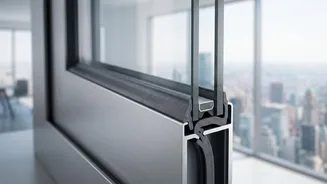
drop, our instinct is to shut windows and doors, creating a sealed environment to conserve heat. This lack of natural ventilation means that everyday pollutants from cooking, cleaning, and even breathing can build up to surprisingly high levels. Studies have shown that indoor air can be two to five times more polluted than the air outside. Heating systems can circulate dust and allergens, while dry winter air can irritate our respiratory passages, making us more susceptible to the effects of poor air quality.
Step 1: Know What You’re Breathing
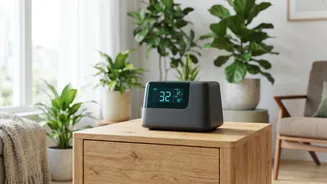
Before you can fix the problem, you need to understand it. The most common indoor pollutants include particulate matter (PM2.5) from cooking and smoke, volatile organic compounds (VOCs) released from furniture and cleaning products, carbon dioxide (CO2) from our own breath, and mold spores that thrive in damp areas. An indoor air quality monitor is the best way to get a clear picture of what's in your air. Look for a monitor that tracks PM2.5, VOCs, and CO2 in real-time. High CO2 levels are a good indicator of poor ventilation.
Step 2: Ventilate, But Strategically
The idea of opening a window in the cold might seem counterintuitive, but it is crucial. You don't need to leave them open for hours. Just opening windows for five to ten minutes a day can significantly reduce the buildup of pollutants by allowing fresh air to circulate. A great time to do this is when outdoor pollution levels are at their lowest. Always use your kitchen's exhaust fan when cooking and the bathroom fan when showering to pull moisture and pollutants directly outside.
Step 3: Purify Your Personal Space
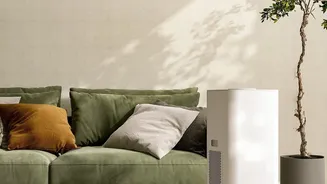
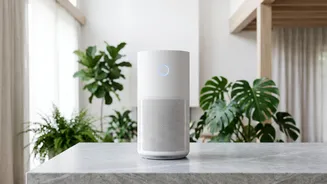
For apartment dwellers, an air purifier is one of the most effective tools for cleaning indoor air. Invest in a model with a High-Efficiency Particulate Air (HEPA) filter, which is certified to capture at least 99.97% of airborne particles like dust, dander, and pollen. Some studies show significant reductions in pollutants like PM2.5 with consistent purifier use. Choose a purifier with a Clean Air Delivery Rate (CADR) that matches the size of your room. Since you spend a significant amount of time there, the bedroom is an excellent place to start.
Step 4: Manage Your Indoor Climate
Winter air is often dry, but indoor activities like cooking and showering can create pockets of high humidity, which encourages the growth of mold and dust mites. Ideally, your apartment's indoor humidity should be between 30% and 50%. An air quality monitor can help you track this. If you notice condensation on your windows, your humidity may be too high. Using exhaust fans is a great first step, but a dehumidifier may be necessary for persistently damp areas.
Step 5: Clean Smarter, Not Harder
Regular cleaning is a simple but powerful way to improve air quality. Dust surfaces with a damp cloth to trap particles instead of sending them airborne. Vacuum carpets and upholstery regularly, preferably with a vacuum that has a HEPA filter to prevent dust from being blown back into the room. When possible, opt for cleaning products that are low in VOCs to reduce chemical emissions inside your home. These small changes in your cleaning routine can make a big difference over the winter months.