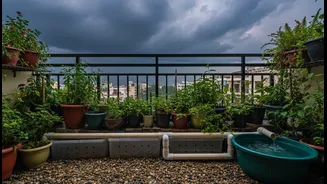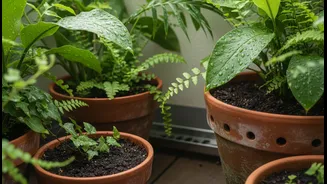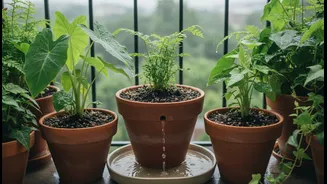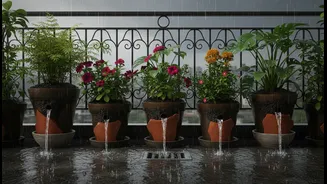




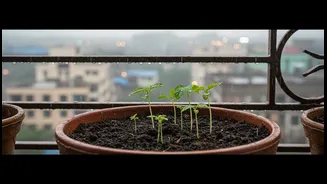
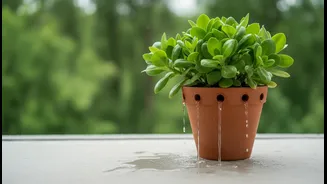


Know the Signs of Overwatering
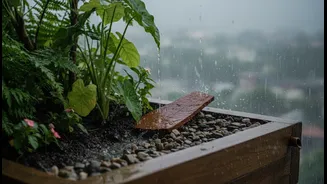
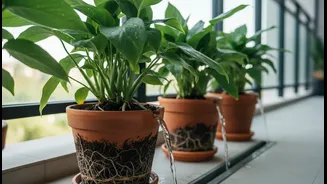
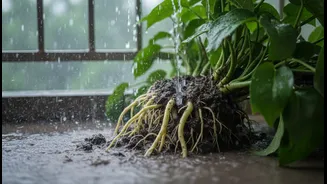
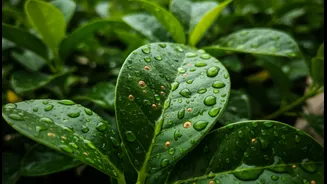
The first step in solving a problem is recognizing you have one. Ironically, a key sign of overwatering is a plant that looks wilted even when the soil is wet. This happens because waterlogged roots can't absorb oxygen, which slowly suffocates the plant.
Other tell-tale signs include lower leaves turning yellow and dropping, stunted growth, a sour smell from the soil, or green algae forming on the surface. If you spot these symptoms, it's time to act immediately to improve drainage before root rot sets in.
Elevate Your Pots for Better Airflow
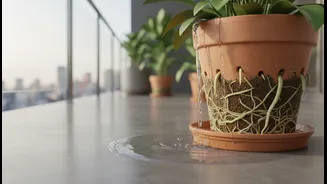
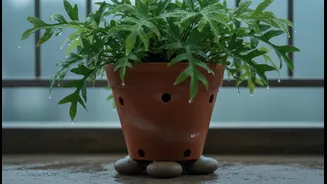
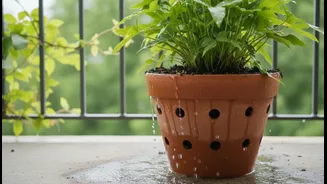
One of the simplest and most effective ways to prevent waterlogging is to lift your pots off the ground. When a pot sits directly on the floor, its drainage holes can easily become blocked, trapping water inside. Placing pots on feet, bricks, wooden blocks, or even old tiles creates a small gap that allows excess water to escape freely and improves air circulation underneath. You can buy pot feet, or get creative with DIY solutions like using old wine corks, plastic bottle caps, or even leftover cement set in cupcake liners. This simple lift can make a huge difference.
Choose the Right Pot and Check the Holes
Not all pots are created equal, especially during the monsoon. Porous containers like unglazed clay or terracotta are excellent choices because they allow moisture to evaporate through their sides, helping the soil dry out faster. Regardless of the material, ensure every pot has multiple drainage holes at the bottom. It's a common myth that adding a layer of gravel or broken pottery at the bottom of a pot improves drainage; in reality, it can trap water just above the gravel layer, keeping the root zone wetter. Instead, focus on ensuring the existing holes are clear of any blockages.
Lighten Your Soil Mix
Heavy, dense garden soil holds too much water for potted plants, especially during the rainy season. To prevent this, use a well-aerated potting mix. You can create your own by blending regular potting soil with materials that improve drainage and airflow. A good recipe is 40% garden soil, 40% compost, and 20% cocopeat or sand. Ingredients like perlite, sand, or coco peat create air pockets in the soil, allowing water to pass through more easily instead of compacting around the roots. If your plants are already in dense soil, you can gently aerate the pot by poking deep holes with a skewer, which helps air reach the roots.
Adjust Your Watering Schedule
During the monsoon, you need to rethink your watering routine. The frequent rain might be more than enough to keep your plants hydrated. Overwatering is a common mistake gardeners make this season. Before reaching for the watering can, check the soil by inserting your finger about two inches deep. If it feels moist, hold off. Plants like succulents and cacti are particularly sensitive to excess water and should be moved to a sheltered spot to protect them from heavy downpours. For other plants, you might only need to water them during extended dry spells.
Prune and Protect for Better Health
Good housekeeping can significantly improve your plants' resilience. Regularly prune yellowing or dead leaves to prevent the spread of fungal diseases, which thrive in damp conditions. Trimming dense foliage also improves air circulation around the plant, helping it dry out faster after a shower. For taller or more delicate plants, provide support with stakes to protect them from being damaged by strong monsoon winds and the weight of the rain. If a plant is particularly sensitive, consider temporarily moving it to a covered area during extremely heavy downpours.