
Art in the World's Highest Theatre
In the high-altitude desert of Ladakh, a groundbreaking art project is redefining the region’s cultural map. Known as the sā Ladakh Biennale, this event transforms a vast stretch of the Himalayas into an open-air art gallery. Running from August 1 to 10,
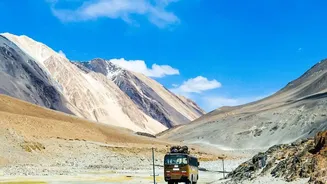
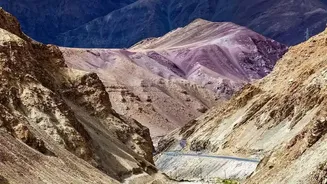
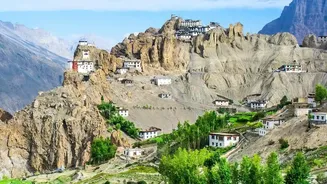
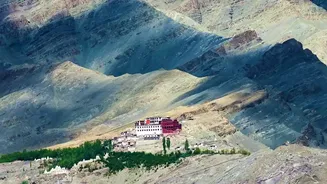
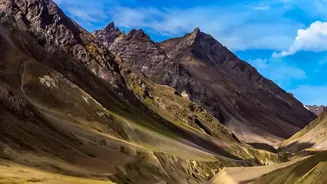
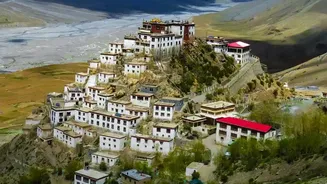
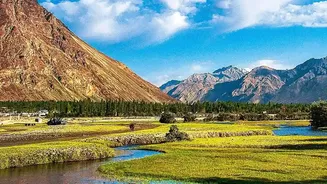
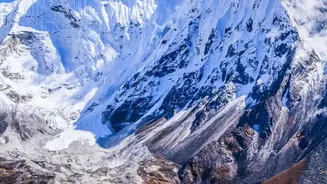
2026, the biennale turns the 200-kilometre corridor from Leh to Kargil into an immersive art trail. Unlike traditional exhibitions confined to galleries, these installations are set against the stunning backdrop of ancient monasteries, remote villages, and soaring peaks at altitudes over 3,000 metres. The name 'sā', meaning soil in the Ladakhi language, reflects the project's core philosophy: art that is deeply rooted in the land, its culture, and its ecology. Organised by a team including local and international artists and cultural experts, the initiative aims to create a dialogue between contemporary art and the fragile Himalayan environment.
A Journey from Leh to Kargil
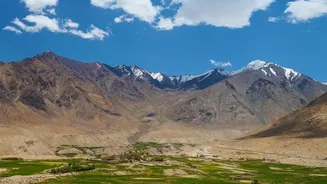
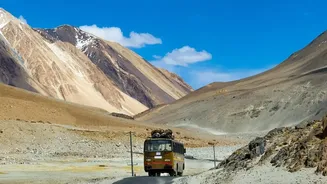
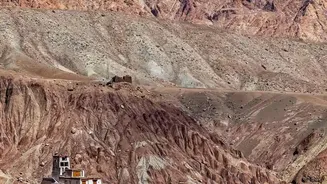
The trail is not a single path but a series of artistic interventions spread across eight key locations: Leh, Basgo, Likir, Nurla, Lamayuru, Henasku, Mulbekh, and Hunderman. Each site was chosen for its unique cultural and historical significance, allowing artists to create works that resonate with their surroundings. Visitors are encouraged to travel between these points, making the journey itself part of the experience. This approach intentionally decentralises tourism from hotspots like Pangong Tso, guiding travellers towards lesser-known villages and their stories. In places like Mulbekh, artworks engage with the famous Maitreya Buddha statue and the pastoral rhythms of the land, while in the border village of Hunderman, installations reflect on its unique Balti heritage and experiences of displacement.
Regenerative Art with a Message
This is more than just art for art's sake; it's 'regenerative art'. A key principle of the biennale is its commitment to sustainability. The installations are crafted from locally sourced, biodegradable, and recycled materials, ensuring they don't harm the delicate ecosystem. The goal is to create art that not only respects the environment but also sparks conversations about climate change, conservation, and the deep connection between local communities and their land. For instance, German light artist Philipp Frank has created mesmerising audiovisual projections on natural rock formations that explore the theme of water—a critical resource in the arid Ladakhi landscape. In collaboration with Ladakhi artists like Skarma Sonam Tashi, these works transform the mountains into living canvases that tell stories of fragility and resilience.
Empowering Local Voices and Culture
At its heart, the art trail is a community-driven project. The Ladakh Arts and Media Organisation (LAMO), a key partner, has long worked to preserve the region's cultural heritage. The biennale provides a global platform for Ladakhi artists, who have often had to exhibit their work outside the region. By bringing international attention to contemporary Ladakhi art, the project challenges the perception that the area's artistic identity is confined to traditional thangkas and monastery murals. It fosters a sense of pride and creates economic opportunities that are rooted in cultural preservation rather than mass tourism. The involvement of villagers in hosting and interpreting the art ensures the experience is authentic and benefits the communities directly, offering a model for sustainable tourism that enriches rather than endangers the local way of life.