
First, A Few Ground Rules
Before you get your hands dirty, a few monsoon-specific tips will set you up for success. First, drainage is everything. The constant rain can waterlog your pots and rot the roots. Ensure every pot has plenty of drainage holes. You can even add a layer
of broken pot pieces or small stones at the bottom before filling it with soil. Second, use a light potting mix. A combination of soil, cocopeat, and compost is ideal as it retains moisture without becoming heavy and compacted. Finally, even though it's cloudy, your plants will still need 4-6 hours of sunlight, so pick a spot on your balcony or terrace that gets the best light.
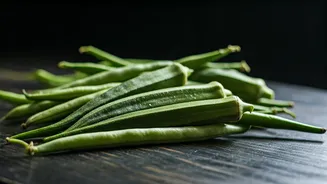
1. Bhindi (Okra / Lady's Finger)
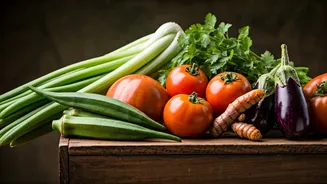
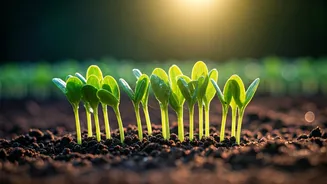
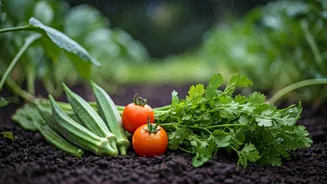
Bhindi is one of the most forgiving vegetables you can grow, and it loves the warm, humid conditions of the monsoon. It’s a staple in Indian kitchens for a reason! To start, you don't even need to buy special seeds; you can use the dried seeds from a mature okra pod. Sow the seeds directly into a medium-to-large pot (at least 10-12 inches deep) about an inch deep into the soil. Water them once and let the monsoon rains do the rest. You'll see sprouts in about a week. The plant grows tall, so you might need to provide a small stake for support. In about 45-60 days, you’ll be harvesting your own crisp, tender bhindi for sabzi or sambar.
2. Palak (Spinach)
Leafy greens are a fantastic choice for beginners because they grow incredibly fast, giving you a quick and rewarding harvest. Palak is a monsoon favourite. You can grow it in wide, shallow containers or grow bags. Simply scatter the seeds over your prepared potting mix and cover them with a thin layer of soil. Keep the soil moist, and you should see germination within a week. The best part about spinach is that you can practice the ‘cut-and-come-again’ method. Once the leaves are a decent size, just snip off the outer leaves, leaving the inner ones to continue growing. This ensures a continuous supply for your daal or parathas throughout the season.
3. Lauki (Bottle Gourd)
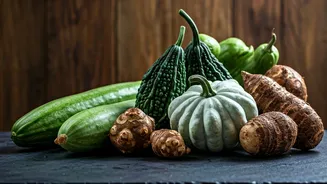
Growing your own lauki is immensely satisfying. This is a vine, so you'll need to plan for some climbing space—a trellis, railing, or even a network of strings will work perfectly. Due to its size, lauki needs a large pot or grow bag (at least 15-18 inches). Sow 2-3 seeds in the centre of the pot. Once they sprout, keep the strongest seedling and remove the others. The monsoon provides the ample water this plant needs, but you must ensure the container doesn't get waterlogged. As the vine grows, guide it onto your support structure. Soon, you'll see beautiful white flowers, which will eventually turn into the gourds you know and love. There’s nothing quite like cooking a kofta curry with lauki from your own garden.
4. Green Chillies & Capsicum
If you want to add some spice to your life, green chillies are a must-have. They are perennial plants, meaning they can give you fruit for a long time with basic care. Similarly, capsicum (bell peppers) from the same family also does well. You can sow seeds directly or buy a small sapling from a local nursery to get a head start. They do well in medium-sized pots (around 10 inches). While they like the humidity of the monsoon, they are prone to overwatering, so good drainage is critical. Place them in a sunny spot. Once the plant starts flowering, you’re just a few weeks away from having fresh, homegrown chillies and capsicums on demand.
5. Turai (Ridge Gourd)
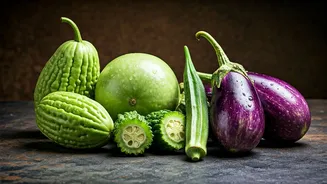
Like bottle gourd, ridge gourd is another prolific climber that flourishes during the monsoon. It's hardy, resistant to many common pests, and requires very little attention once established. Plant the seeds in a large container and provide a strong trellis for the vine to climb. The plant's large leaves help it absorb sunlight even on overcast days. The continuous rain is usually enough to keep it happy, but always check the soil to ensure it's moist, not soggy. The ridged, dark green gourds are not only easy to grow but are also packed with nutrients, making a healthy and delicious addition to your meals.