





What Exactly Is the Skin Barrier?
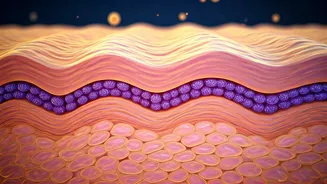
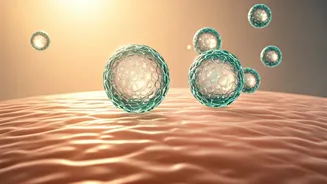
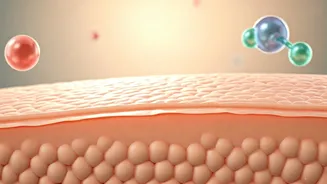
Think of your skin as a protective fortress. The skin barrier, or stratum corneum, is its outermost wall. This wall is made of tough skin cells (the bricks) held together by a lipid mixture of ceramides, cholesterol, and fatty acids (the mortar). This structure
has two critical jobs: it locks essential moisture inside your body and keeps harmful elements like pollutants, bacteria, and irritants out. A healthy, intact barrier is the secret to skin that feels resilient, hydrated, and calm. When this wall gets damaged, it becomes 'leaky', leading to a host of problems.
Signs Your Skin Barrier Needs Help
A compromised barrier sends out clear distress signals. The most common signs include persistent dryness, tightness, and flakiness, even after you’ve applied moisturiser. You might notice that your skin has become suddenly sensitive, and products that you previously loved now cause stinging or burning. Other tell-tale signs are increased redness, irritation, itchiness, and even unexpected breakouts or acne flare-ups. If your skin constantly feels uncomfortable and reactive, it's a strong indication that your protective barrier is weakened.
Why Is This a Beauty Trend Now?
The focus on barrier repair is a direct reaction to years of aggressive skincare habits. For a long time, the prevailing wisdom was that stronger actives and more frequent exfoliation were the keys to perfect skin. This led to an epidemic of over-treated, irritated skin. Consumers and experts alike began to realise that routines packed with high-percentage acids and retinoids, without proper support, were stripping the skin's natural defences. The shift towards barrier repair is a move away from seeking a quick fix and towards achieving long-term skin health. It's an understanding that you must first build a strong foundation before addressing other concerns like ageing or pigmentation.
The Pillars of Barrier Restoration
Repairing your skin barrier is about going back to basics and choosing ingredients that replenish and soothe. The goal is to give your skin what it needs to rebuild its 'mortar'. Ceramides are non-negotiable, as they make up about 50% of the skin's lipid layer and are crucial for restoring its structure. Niacinamide (Vitamin B3) is another hero ingredient; it reduces inflammation and helps the skin produce its own ceramides. Humectants like hyaluronic acid and glycerin draw moisture into the skin, while emollients and occlusives like squalane, shea butter, and even petrolatum help lock that moisture in. Soothing botanicals such as Centella Asiatica (Cica) can also calm irritation and support the healing process.
Building a Barrier-Friendly Routine
The first step to recovery is to simplify your routine. Many dermatologists recommend pausing all harsh actives like exfoliants (AHAs, BHAs), retinoids, and high-concentration Vitamin C serums until your skin feels calm again. Switch to a gentle, pH-balanced, fragrance-free cleanser that doesn't leave your skin feeling tight or stripped. Use lukewarm water instead of hot water, which can strip the skin of its natural oils. Your focus should be on cleansing, moisturising, and sun protection. Apply a moisturiser rich in ceramides, fatty acids, and niacinamide to damp skin to lock in hydration. In the morning, always finish with a broad-spectrum sunscreen, as UV damage is a major cause of barrier degradation.