



Why Your Eyes Burn and Itch
The smog blanketing the city is a cocktail of harmful pollutants, including fine particulate matter (PM2.5), nitrogen oxides, and sulphur dioxide. These microscopic irritants come into direct contact with the moist, sensitive surface of your eyes. This
disrupts the natural tear film that protects the eye, leading to common symptoms like dryness, redness, a burning sensation, excessive watering, and itchiness. For those with pre-existing conditions like dry eye or allergies, this season can be particularly challenging.
Shield Your Eyes When Outdoors
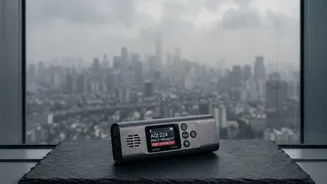
The first line of defence is a physical barrier. When you must go outside, especially on days with high AQI readings, wear wraparound sunglasses. These do a much better job than regular glasses at blocking airborne particles and wind from directly hitting your eyes. It is also wise to limit outdoor activities during peak pollution hours, which you can track via local AQI reports. If you commute via a two-wheeler, a helmet with a clean, unscratched visor is essential.
Create a Clean Air Zone at Home
Your home should be a sanctuary from the smog. Keep windows and doors closed, especially during the morning and evening when pollution levels often peak. Consider investing in an air purifier with a HEPA filter, which is designed to capture fine particulate matter and improve indoor air quality. Regularly clean surfaces with a damp cloth to remove settled dust. Maintaining a clean indoor environment significantly reduces your overall exposure to irritants.
Practice Smart Eye Hygiene
One of the most crucial habits to adopt is to avoid rubbing your eyes. Your hands can transfer more dust and pollutants, worsening the irritation and potentially causing scratches. Wash your hands frequently. After returning from outdoors, gently wash your face and eyelids with clean water to remove any accumulated grime. However, avoid splashing tap water directly into your eyes, as this can sometimes worsen irritation for some individuals.
Soothe Irritation with Lubricating Drops
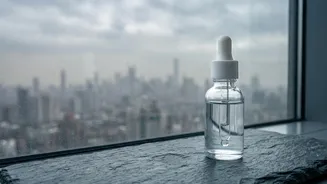
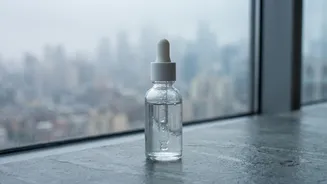
For immediate relief from dryness and that gritty feeling, lubricating eye drops, also known as artificial tears, can be very effective. They help to moisten the eye's surface, flush out irritants, and restore the tear film. It is generally recommended to use preservative-free options to avoid introducing more chemicals. These drops can be used several times a day to maintain comfort, but they are meant for relief, not to treat an underlying infection.
When to Consult an Eye Specialist
While the tips above can manage mild discomfort, certain symptoms warrant professional medical attention. If you experience persistent redness, severe pain, discharge from the eye, swelling, or a sudden change in vision like blurriness or extreme sensitivity to light, you should see an eye doctor immediately. These could be signs of a more serious issue like an infection or corneal damage that requires proper diagnosis and treatment.