


From Aspiration to Identification
For decades, food media was a top-down affair. Glossy magazines, revered restaurant critics, and celebrity chefs set the agenda, presenting a world of aspirational perfection. The food was often flawless, the kitchens immaculate, and the creators untouchable
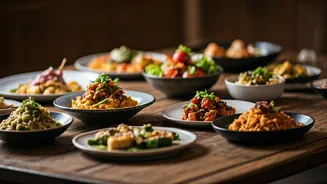
gatekeepers of taste. This model taught us what to cook, where to eat, and how to plate, but it rarely showed the messy, beautiful reality of a home kitchen or the story behind the person preparing the meal. Today, that monologue has become a global conversation. The new wave of food storytelling is not about aspiration, but identification. It’s less about a perfectly styled dish and more about the narrative, memory, or feeling that dish evokes.
The Power of Authenticity
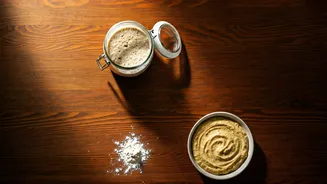
The driving force behind this shift is a collective craving for authenticity. After years of hyper-curated "food porn," audiences are responding to content that feels real. This includes everything from a creator sharing their failed attempts at a recipe to a chef revealing the chaotic energy of a dinner service. This transparency builds a level of trust that polished marketing often can't replicate. The new storytellers understand that food is deeply personal. They use it as a lens to explore cultural identity, family history, sustainability, and social justice. A recipe for a particular stew might also be a story about immigration, adaptation, and preserving heritage. A simple video about baking bread can become a meditation on slowing down and finding joy in the process. This approach resonates because it treats food not just as fuel or a product, but as a central part of the human experience.
Where the Magic Happens
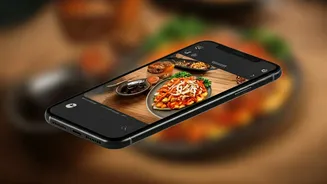
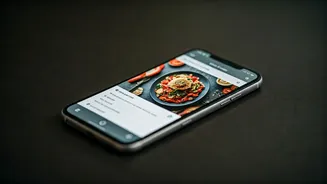
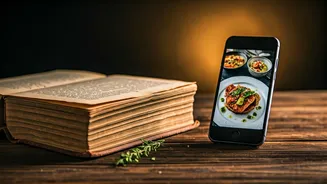
This democratization of food media has been fueled by platforms that empower individual creators. Short-form video apps like TikTok and Instagram have become epicenters for viral food trends, from baked feta pasta to cloud bread, turning simple recipes into global phenomena. The fast-paced, visual nature of these platforms is ideal for sharing quick tips, menu hacks, and engaging cooking tutorials. Simultaneously, platforms like Substack have created a renaissance in long-form food writing. Here, writers can bypass traditional media gatekeepers to connect directly with a dedicated audience, sharing personal essays, deeply researched articles, and recipes that come with rich backstories. These newsletters feel like intimate conversations with knowledgeable friends, offering everything from practical cooking advice to explorations of food's cultural significance.
A More Diverse Kitchen
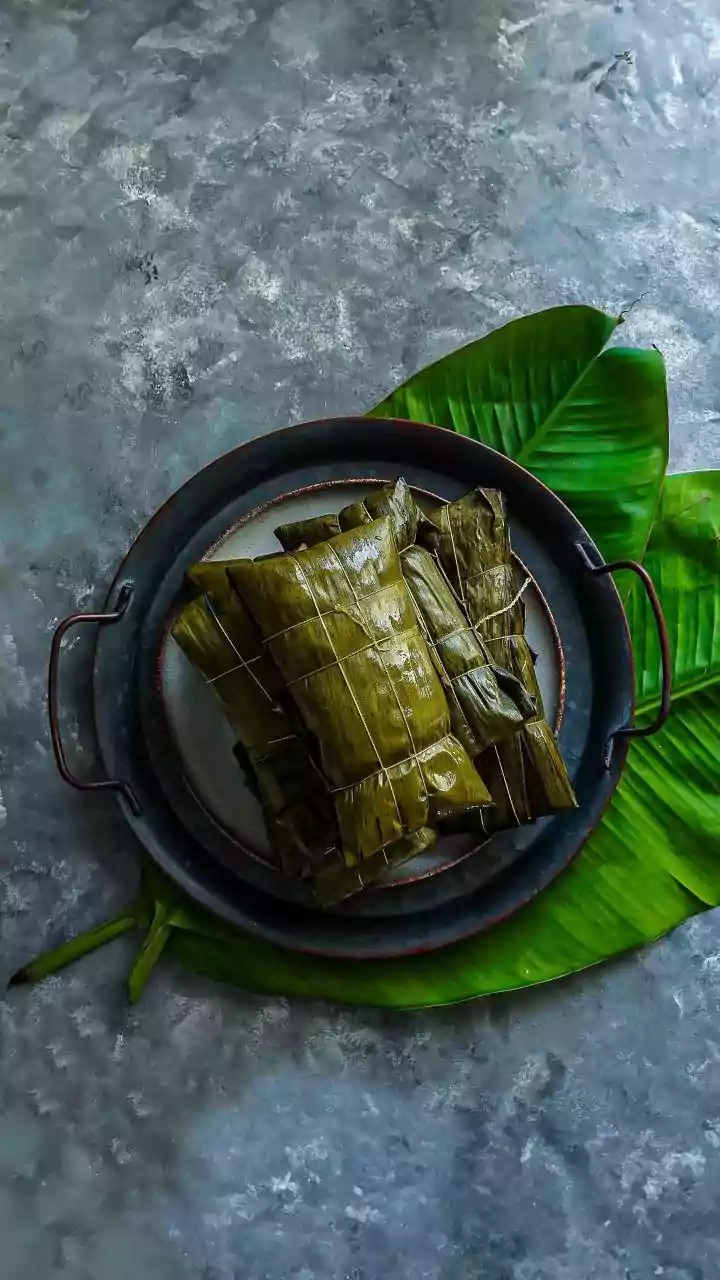
Perhaps the most significant outcome of this new era is the sheer diversity of voices that are now being heard. For the first time, the global culinary conversation is being led not just by professional chefs, but by home cooks, second-generation immigrants exploring their heritage, and activists using food to challenge the status quo. These creators are amplifying marginalized food practices and challenging dominant narratives. They are showing that there is no single right way to cook or eat. This has led to a richer, more inclusive understanding of food, where a viral recipe can come from a grandmother in a small village as easily as it can from a Michelin-starred restaurant. The result is a food media landscape that more accurately reflects the world we live in.
What's Next on the Menu?
This shift from polished presentation to personal narrative is more than just a passing trend; it's a fundamental change in our relationship with food media. It recognizes that the stories behind our food are often as nourishing as the food itself. While traditional media is adapting, the power now firmly lies with authentic voices who can create a genuine connection with their audience. The pressure to be constantly creating and the complexities of monetization present real challenges for these creators. However, the movement they've started is undeniable. They have successfully transformed food storytelling from a monologue delivered by a select few into a vibrant, global potluck where everyone is invited to share a dish—and a story.