








Why Embrace the Monsoon in Sikkim?
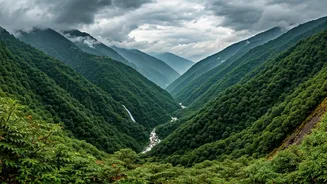
Visiting Sikkim between June and September is a choice for the discerning traveller. The monsoon washes the landscape, leaving behind a vibrant, emerald-green hue. Waterfalls, often trickles in other seasons, become thunderous spectacles. This season also
means fewer tourists, translating to a more peaceful experience at monasteries and viewpoints. You can enjoy the solitude and have more meaningful interactions with locals. Furthermore, the off-season timing often brings the advantage of lower prices on hotels and transport, making it a budget-friendly option for those seeking luxury for less. The entire atmosphere is one of rejuvenation, with misty mornings and the soothing sound of rain creating a perfect backdrop for a tranquil holiday.
Monsoon-Friendly Destinations
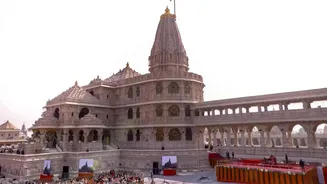
While heavy rains can make some remote areas inaccessible, several parts of Sikkim are perfectly safe and incredibly beautiful during the monsoon. Gangtok, the capital, serves as an excellent and secure base. Its well-maintained roads and city comforts make it an ideal starting point. You can explore the charming, vehicle-free MG Marg, which becomes even more romantic in the rain. West and South Sikkim are also highly recommended. Destinations like Pelling, Ravangla, and Namchi remain accessible and offer breathtaking sights. Pelling provides majestic (though often cloud-obstructed) views of Kanchenjunga and access to the dramatic Kanchenjunga Falls. Ravangla's Buddha Park, enveloped in mist, is a sight to behold, while Namchi's Char Dham complex offers a unique spiritual ambience.
Unique Monsoon Experiences
The monsoon in Sikkim is not about ticking off a long list of sights, but about soaking in the atmosphere. Spend an afternoon in a cozy Gangtok cafe, sipping on local Temi tea while watching the clouds drift by. Monastery-hopping becomes a deeply spiritual experience; the quiet halls of Rumtek, Enchey, and Pemayangtse monasteries feel even more serene amidst the rain. The state’s waterfalls, such as Banjhakri Falls and Seven Sisters Waterfall, are at their most powerful and majestic during this time. For food lovers, it's the perfect weather to indulge in a hot bowl of thukpa or steaming momos. It's a season for slow travel, photography, and finding joy in the quiet, misty landscapes.
Travel Smart and Safe
While a monsoon trip is rewarding, it requires careful planning. The biggest challenge is the potential for landslides and road blockages, particularly on the main highway (NH-10) and in North Sikkim. It is crucial to avoid regions like Lachen, Lachung, and Gurudongmar Lake, which are often cut off. Always build buffer days into your itinerary to account for potential delays. Travelling by day is highly advisable, as navigating hilly roads in the rain after dark can be risky. Hiring an experienced local driver is not just a convenience but a necessity; their knowledge of the terrain and alternative routes is invaluable. Keep a constant check on weather updates and be prepared to be flexible with your plans.
Essential Packing List
Packing correctly is key to a comfortable monsoon trip. A high-quality raincoat or a sturdy umbrella is non-negotiable. Waterproof footwear with good grip is essential for walking on slippery paths. Quick-dry clothing is a smart choice over heavy fabrics like denim. Pack layers, including light sweaters or jackets, as the evenings can get chilly. Protect your electronics by carrying them in waterproof bags or zip-lock pouches. A power bank is a must, as power cuts can occur. Also, include a basic first-aid kit with medications for common ailments and insect repellent. Being well-prepared ensures that a little rain won't dampen your spirits.