






Why Monsoon Is Peak Risk Season
The joy of the rainy season is often dampened by a spike in stomach infections, and there's a scientific reason for it. High humidity creates the perfect breeding ground for bacteria and fungi, causing food to spoil much faster. The increased moisture
in the air allows harmful microorganisms to thrive on everything from raw vegetables to cooked dishes left uncovered. Furthermore, water sources are more likely to be contaminated during this period, increasing the risk of waterborne diseases like typhoid, gastroenteritis, and hepatitis A. This contaminated water can find its way into the food chain through washed produce or in the preparation of street foods like pani puri, making vigilance essential.
The Leafy Greens and Raw Salad Trap
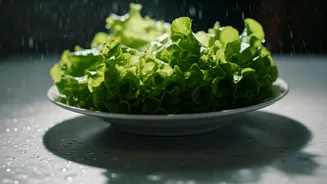
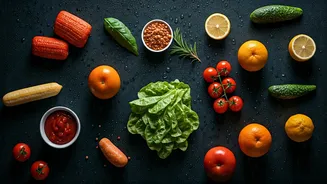
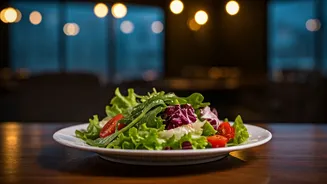
While normally a sign of a healthy meal, leafy green vegetables like spinach and cabbage become high-risk during the monsoon. The damp, muddy soil provides an ideal environment for germs, worms, and bacteria to settle on the leaves, which can be difficult to wash away completely. Experts advise avoiding raw salads during this season for the same reason. Vegetables with high moisture content, such as cucumber and tomatoes, can also be contaminated. If you must have your greens, it is far safer to cook them thoroughly at high temperatures to kill any lurking pathogens. Steaming or lightly cooking your salad vegetables is a much safer alternative to eating them raw.
Navigating the Allure of Street Food
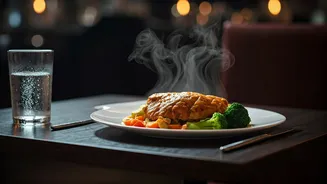
Giving up street food entirely during the monsoon feels almost impossible, but making smarter choices can significantly reduce your risk. The biggest dangers come from items using unboiled water (like chutneys and juices), pre-cut fruits, and foods served at room temperature. Instead, opt for snacks that are prepared fresh and served piping hot in front of you. Freshly fried pakoras, roasted corn on the cob (bhutta), and steaming hot idlis or dosas are generally safer bets. The high cooking temperature kills most immediate bacteria. Always observe the vendor's hygiene: are their hands clean, is the stall tidy, and are ingredients kept covered? If in doubt, it's always best to walk away.
Meats, Seafood, and Dairy Dangers
Extra caution is needed with non-vegetarian and dairy products during the rainy season. The monsoon is the breeding season for many types of fish, which can affect their quality and taste, and the risk of water contamination is higher. Meat and poultry spoil faster in high humidity, so it's crucial to buy from reputable, clean sources and ensure the meat is cooked thoroughly to a safe internal temperature. Dairy products like paneer and cheese can also spoil quickly. Avoid dairy-heavy items from street stalls, as they may not have been stored at the correct temperature. When at home, ensure these items are stored in the coldest part of your refrigerator and consumed quickly.
Fortifying Your Kitchen's Defences
Food safety starts at home. The Food Safety and Standards Authority of India (FSSAI) recommends several key practices during the monsoon. Always wash fruits and vegetables thoroughly under clean running water; soaking leafy greens in salt water can offer extra protection. Use separate cutting boards for raw meat and vegetables to prevent cross-contamination. Cook food fresh and avoid leaving leftovers at room temperature for more than two hours. The FSSAI also advises cleaning and defrosting your refrigerator frequently, perhaps every two weeks, as the high humidity can cause moisture build-up and promote fungal growth inside.