





The Gut-Brain Superhighway
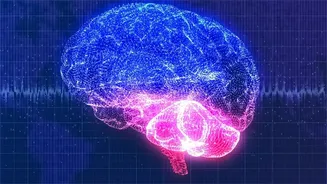
The gut-brain axis is a complex, two-way communication network that links your central nervous system (your brain and spinal cord) with your enteric nervous system (the extensive network of nerves in your gut). This connection works through several pathways,
including the vagus nerve, which acts like a direct information hotline sending signals in both directions. Your gut is sometimes called a “second brain” because it can operate independently and even produces many of the same mood-regulating chemicals, or neurotransmitters, as the brain itself. This constant dialogue means that what happens in your gut doesn’t just stay in your gut; it can significantly influence your emotions, stress levels, and even your ability to concentrate.
Your Microbiome: A Mood-Regulating Factory
Living inside your gut is a bustling community of trillions of microorganisms known as the gut microbiome. These tiny residents play a huge role in your health by helping digest food, supporting your immune system, and, crucially, manufacturing neurotransmitters. An astonishing amount of serotonin, often called the “happy chemical,” is produced in the gut. While this gut-made serotonin doesn't cross directly into the brain, it influences the signals sent via the vagus nerve and provides the building blocks the brain needs for its own production. When the gut microbiome is out of balance—a state known as dysbiosis—it can disrupt this delicate process, and research has linked this imbalance to changes in mood and even depression.
Probiotics: The Friendly Reinforcements
One of the most effective ways to support a healthy gut-brain axis is by introducing probiotics, which are beneficial live bacteria. Think of them as reinforcements for your microbiome’s friendly forces. These microorganisms can help restore balance, strengthen the gut lining, and reduce inflammation. Some research suggests certain probiotics, sometimes called “psychobiotics,” may help boost mood, improve our ability to cope with stress, and even reduce feelings of anxiety. You don’t need to rely solely on supplements. Probiotic-rich foods are an excellent and delicious way to get these benefits. Good sources include yogurt with live active cultures, kefir, kimchi, sauerkraut, kombucha, and miso. When buying products, look for labels that state “live and active cultures” to ensure you're getting the real deal.
Fiber: The Fuel for Good Feelings
If probiotics are the workers, fiber is the food that fuels them. Specifically, prebiotic fiber, which our bodies can't digest, passes through to the gut, where it nourishes our beneficial bacteria. As these microbes feast on fiber, they produce powerful compounds called short-chain fatty acids (SCFAs). These SCFAs are superstars for both gut and brain health. They help maintain a strong gut barrier, reduce inflammation throughout the body, and can enter the bloodstream to influence brain function, including mood and cognition. Studies have shown that diets high in fiber are associated with a lower risk of depression and anxiety, highlighting its crucial role in mental well-being.
Simple Ways to Boost Your Fiber Intake
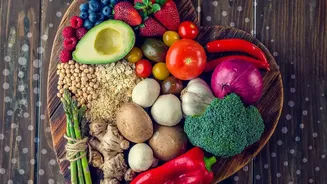
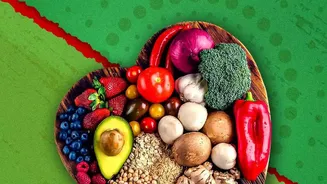
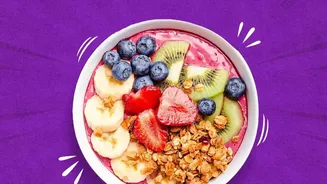
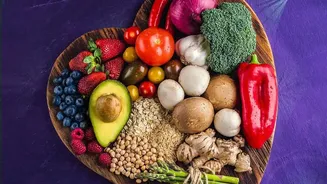
Increasing your fiber intake doesn’t have to be a chore. Small, consistent swaps can make a big difference. Aim for a variety of plant-based foods to get a wide range of fiber types and nutrients. Start by swapping white bread and pasta for whole-grain versions. Add a handful of berries or a tablespoon of chia seeds to your morning yogurt or oatmeal. Incorporate more legumes like lentils, chickpeas, and black beans into your meals—they are fantastic in salads, soups, and curries. Try to eat fruits and vegetables with their skins on when possible, as that’s where much of the fiber resides. Finally, snack on a handful of nuts or seeds instead of processed snacks. By feeding your gut what it loves, you're also feeding your brain.