







A New Blueprint for Learning
Imagine designing a complex bridge. Traditionally, an architecture or engineering student would draft it, run a computer simulation that could take hours, or build a physical model to test its limits. Today, a revolutionary shift is underway. Universities
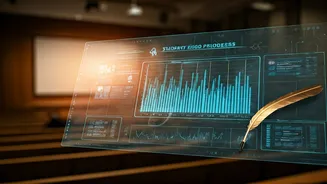
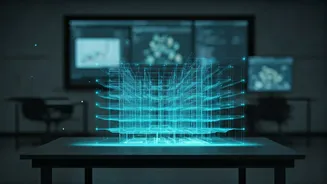
are integrating real-time AI stress testing technology directly into their curriculum. This isn't about sentient robots judging designs; it’s about sophisticated software that acts as an instant physics engine. As a student adjusts a design on their screen — changing the thickness of a beam, moving a support column, or altering a material — the AI instantly simulates the forces of gravity, wind, and load. It visualises the stress flowing through the structure, highlighting potential weak points in vibrant, easy-to-understand colours.
From Theory to Instant Feedback
The core innovation is the 'real-time' feedback loop. In the past, structural analysis was a slow, deliberate step that happened after the creative design phase. This new technology merges the two. A student can experiment with a daring cantilever or an unconventional curve and immediately see the structural consequences. The AI doesn't just show what’s wrong; it can often suggest improvements. Using generative design principles, the software can propose multiple design alternatives that meet specific criteria for strength, weight, and even material cost. This transforms learning from a passive, theoretical exercise into an interactive, intuitive dialogue between the designer and the laws of physics. It builds a deeper, more ingrained understanding of structural principles, something that textbooks alone can never achieve.
Why This Matters for India
For a rapidly developing nation like India, the implications are immense. The country is in the midst of an unprecedented construction boom, from high-rise residential towers and sprawling corporate campuses to critical infrastructure like bridges and airports. At the same time, many regions face significant environmental challenges, including seismic activity and extreme weather events. Training the next generation of architects and engineers to think about structural resilience from the very first sketch is not a luxury; it's a necessity. By equipping students at institutions like the IITs, NITs, and Schools of Planning and Architecture with these AI tools, we are cultivating a workforce that can build a safer, more durable India. They will enter the industry not just with theoretical knowledge, but with practical, data-driven instincts for creating robust designs.
The Edge in a Competitive Field
The adoption of this technology also provides a significant competitive advantage, both for graduates and for the firms that hire them. Students who are fluent in these AI-powered platforms are far more prepared for the modern workplace. They can contribute to projects faster, iterate on complex problems more efficiently, and bring a new level of innovation to their teams. For architectural and engineering firms, adopting this tech means streamlined workflows, reduced risk of error, and the ability to optimise designs for cost and material usage without compromising safety. It allows them to explore more ambitious and sustainable designs with greater confidence. As this technology becomes the industry standard, graduates without this exposure will find themselves at a distinct disadvantage.