




The Magic of Soft, Moody Light
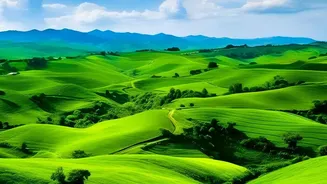
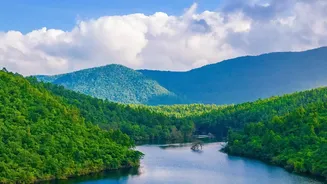
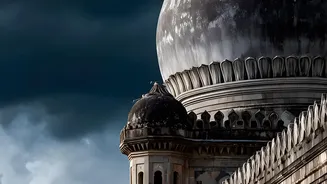
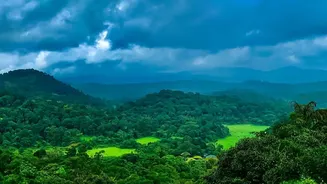
One of the greatest advantages of shooting during the monsoon is the quality of light. Overcast skies act as a giant natural softbox, diffusing the harsh Indian sun. This creates soft, even lighting that eliminates hard shadows and allows the subtle textures
of the landscape to emerge. The result is a moody, often cinematic atmosphere that is difficult to achieve in bright sunlight. Colours appear richer and more saturated without the sun washing them out, making the lush greens of a post-rain landscape truly pop. This soft light is incredibly flattering for everything from grand vistas to detailed portraits, providing a calm and harmonious quality to your images.
Chasing Mist, Fog, and Atmosphere
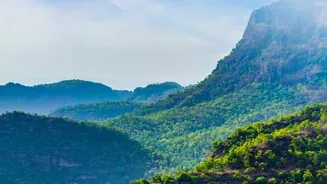
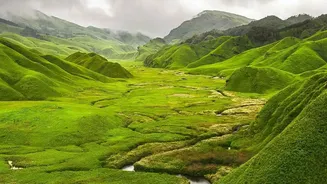
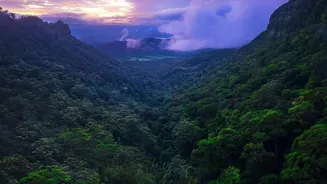
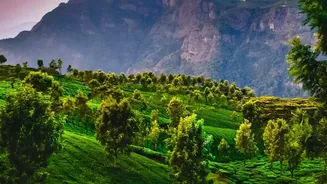
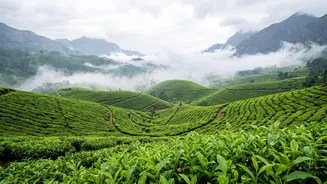
Rain and the accompanying humidity create mist and fog, which are powerful tools for adding depth and mystery to a scene. In hill stations like Munnar or Mahabaleshwar, fog can roll through valleys, partially obscuring mountains and trees, which adds a sense of scale and an ethereal quality to your photographs. These atmospheric conditions soften distant elements, creating layers in your composition and drawing the viewer’s eye towards the main subject. The key is to be patient and wait for moments when the mist reveals and conceals parts of the landscape, creating a dynamic and ever-changing scene.
The Power of Reflections
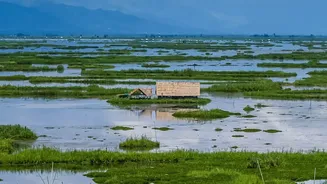
After a downpour, the world becomes a mirror. Wet streets in cities, puddles on rural roads, and calm water bodies all offer incredible opportunities for reflection photography. These reflections can be used to create stunning symmetrical compositions, adding a layer of visual interest and surrealism to an otherwise ordinary scene. Getting your camera low to the ground near a puddle can transform a simple street scene into a compelling image, perfectly mirroring the sky, buildings, or passing traffic. These wet surfaces catch the light beautifully, whether it's the soft grey of the clouds or the vibrant glow of city lights at night.
Focusing on the Details
The monsoon is a perfect time for macro photography. The world is suddenly filled with tiny, beautiful details that are easily overlooked. Raindrops clinging to a spiderweb, glistening on a flower petal, or running down a windowpane make for captivating subjects. The wetness enhances the texture of tree bark, leaves, and rocks, making them more visually interesting. Instead of always looking for the grand landscape, take time to look down and around you. Using a macro lens or even the macro mode on your phone can reveal a hidden world of intricate patterns and delicate beauty brought to life by the rain.
Essential Gear and Protection
Shooting in the rain requires preparation to keep your valuable equipment safe. If you plan to shoot often in wet conditions, a camera and lens with weather sealing is a worthwhile investment. For those without weatherproof gear, a simple rain sleeve or even a plastic bag secured with a rubber band can provide effective protection. Always use a lens hood to prevent raindrops from hitting the front element of your lens. It's also crucial to carry several microfiber cloths to wipe down your gear. When you're done shooting, don't store your camera in a sealed bag immediately, as this can trap moisture and lead to fungus growth; instead, allow it to air dry in a well-ventilated space or use a dedicated dry cabinet.
Creative Camera Settings
How you set your camera can drastically change the look and feel of the rain in your photos. To freeze individual raindrops and capture the energy of a downpour, use a fast shutter speed, such as 1/250s or quicker. For a softer, more atmospheric effect that shows the motion of the rain as streaks, you can use a slower shutter speed, around 1/60s. Because overcast days are darker, you may need to increase your ISO to between 400 and 800 to get a proper exposure. Don't be afraid to experiment with these settings to see what best captures the mood you're aiming for.