



Choosing an outdoor workout can be tough. Cycling and inline skating are two fantastic, low-impact options for a great cardio session. But while they share many benefits, one holds a surprising edge when it comes to building a rock-solid core.
The Cardiovascular Comparison
Both cycling
and inline skating are celebrated for their superb cardiovascular benefits. Regular participation in either activity will get your heart pumping, improve circulation, and boost your overall endurance. Cycling, whether on a stationary bike or outdoors, allows for sustained aerobic effort that strengthens the heart muscle and can reduce the risk of cardiovascular disease. Skating offers a similar high-energy aerobic workout through its continuous, flowing movements. When it comes to burning calories, the intensity is key for both. A steady, moderate pace in either sport can burn a significant number of calories, with some studies suggesting that vigorous inline skating may burn more per hour due to the engagement of more muscle groups. Ultimately, both are excellent choices for heart health, and the better cardio workout often comes down to which activity you're willing to do with greater intensity.
A Tale of Two Muscle Groups
When it comes to building lower-body strength, both cycling and skating are powerhouses, but they work your muscles in different ways. Cycling is famous for developing formidable quadriceps and hamstrings from the repetitive motion of pedalling. It's a linear movement that thoroughly engages the major muscles in the front and back of your thighs, as well as your glutes. Inline skating, however, involves a side-to-side pushing motion. This lateral movement provides a more comprehensive lower-body workout by heavily recruiting the muscles on the sides of your hips (gluteus medius) and your inner thighs, alongside the quads, hamstrings, and glutes. This makes skating particularly effective for toning a wider range of muscles and improving hip mobility.
The Core of the Matter: Stability
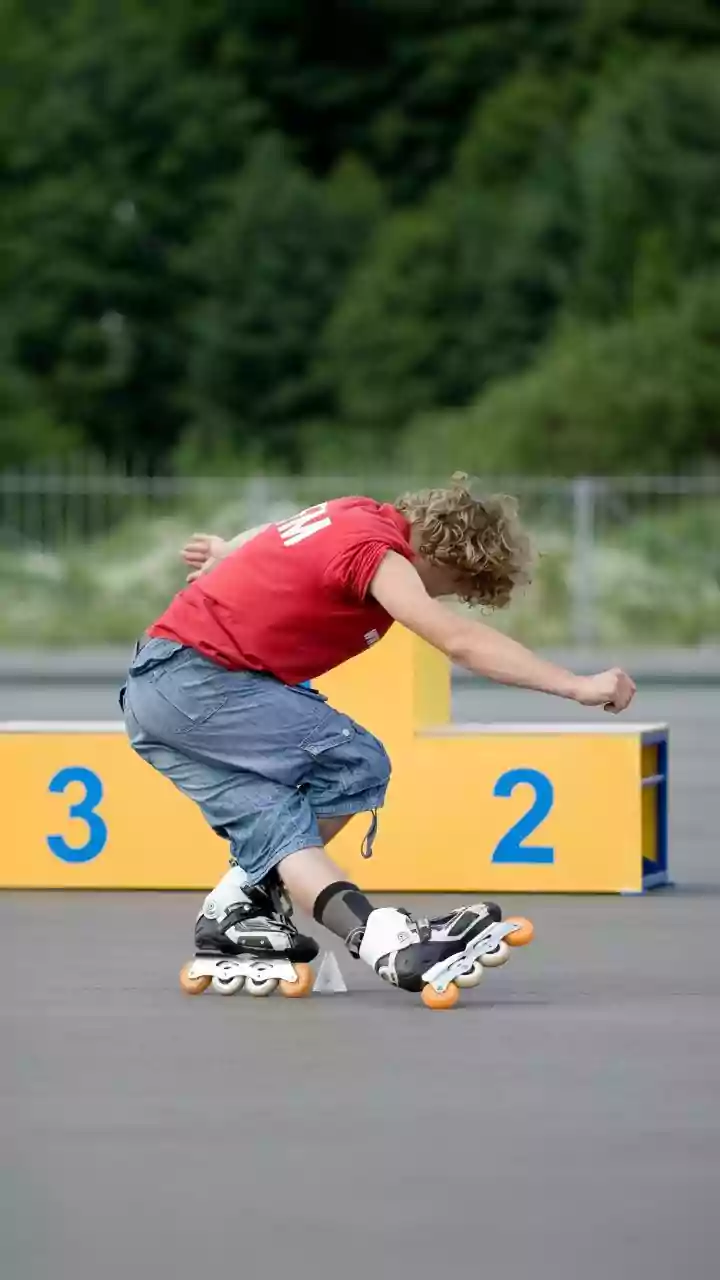
This is where the two activities truly diverge. While cycling does require some core engagement to maintain posture and balance, the bike itself provides a stable base of support. Your torso is largely fixed, especially on a stationary bike or flat terrain. Inline skating, on the other hand, is an exercise in dynamic balance. With wheels on your feet, your body must constantly make micro-adjustments to stay upright. This action forces your deep core muscles—including your abdominals, obliques, and lower back—to remain continuously engaged to keep you centred and stable. Every glide and push is a small, functional core workout. This constant stabilisation work means skating does more to improve your overall balance, coordination, and postural strength than cycling.
Low Impact, High Reward
One of the most significant shared benefits of cycling and skating is that they are both low-impact activities. Unlike running, which sends shockwaves through your joints with every stride, the smooth, gliding motions of skating and pedalling are much gentler on your knees, hips, and ankles. This makes them ideal choices for people recovering from injuries, those with joint concerns, or anyone looking to build a sustainable, longterm fitness routine without the associated wear and tear. You can achieve a highintensity, calorieburning workout while significantly reducing the risk of impactrelated strain.
Making Your Choice
So, which is right for you? If your primary goal is building massive leg power through sustained effort, and you enjoy covering long distances, cycling is an unparalleled choice. It's an accessible activity that many people already know how to do. However, if you're looking for a more comprehensive, fullbody workout that delivers a potent challenge to your core stability and balance, inline skating has a distinct advantage. The need to constantly stabilise your body while in motion tones your midsection in a way that the supported posture of cycling cannot match. Both activities are fantastic for your health, so the best decision often comes down to personal enjoyment. The workout you stick with is the one that works best.