








Choose Your Greens Wisely
The common advice is to avoid leafy greens during the monsoon due to the risk of contamination from mud and grime. But you don't have to give them up entirely. Instead of delicate leaves like lettuce or spinach that are hard to clean, opt for sturdier
vegetables. Gourds like lauki (bottle gourd), tori (ridge gourd), and parwal (pointed gourd) are excellent choices. They have a high water content, are easy to digest, and their peels protect them. Cruciferous vegetables like cabbage and cauliflower are also good options, provided you inspect them carefully for worms and wash them thoroughly before cooking.
Master the Ultimate Veggie Wash
Your first line of defence against water-borne diseases is a proper wash. Rinsing under running water isn't enough during this season. A simple and effective hack is to create a cleansing bath for your produce. Fill a large bowl with water and add a tablespoon of salt or a quarter-cup of white vinegar. Let your vegetables and fruits soak for about 10-15 minutes. This helps dislodge germs, pesticides, and hidden dirt. Afterwards, give them a final rinse with clean, running water. For root vegetables like potatoes or carrots, use a vegetable brush to scrub the skin before peeling or cooking.
Prioritise Lightly Cooked Over Raw
Raw salads might be your summer staple, but the monsoon is a time to embrace gentle cooking. The damp weather can slow down our digestive fire, or 'agni' as per Ayurveda, making raw foods harder to process. Furthermore, cooking is a surefire way to kill harmful bacteria and viruses. This doesn't mean you have to eat overcooked, mushy meals. Lightly steaming, stir-frying, grilling, or blanching your vegetables helps retain their crunch and nutrients while making them safe to consume. A warm vegetable soup or a simple stir-fry is a far better choice than a cold, raw salad right now.
Be Smart About Your Fruit Intake
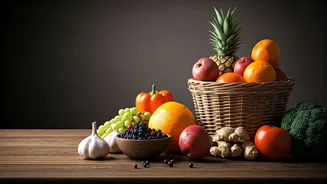
Fruits are essential for vitamins and immunity, but be selective. Prioritise seasonal monsoon fruits like jamun, peaches, plums, cherries, and pomegranates. These are not only at their nutritional peak but are also well-suited to the climate. Fruits with thick, inedible peels like bananas and papayas are generally safer bets than those with thin skins like grapes. Always avoid pre-cut fruits sold by street vendors, as they are highly susceptible to contamination. Wash all fruits thoroughly before cutting them at home and consume them immediately.
Harness the Power of Fresh Spices
Your kitchen’s spice rack is your best friend during the monsoon. Freshly grated ginger, crushed garlic, and a pinch of turmeric can do more than just flavour your food. These ingredients are packed with powerful anti-inflammatory, antibacterial, and immunity-boosting properties. Start your day with ginger tea to aid digestion and soothe a sore throat. Add garlic to your dals and sabzis to help fight infections. Turmeric, especially when combined with black pepper, is a potent antioxidant. Using these fresh spices not only makes your food taste better but also fortifies your body against seasonal illnesses.
Boost Your Gut with Probiotics
A healthy gut is the foundation of a strong immune system, and this is especially true during the monsoon when digestive issues are rampant. Probiotics help maintain a healthy balance of gut bacteria. Fresh, homemade dahi (yogurt) or buttermilk (chaas) are excellent sources. They are cooling, aid digestion, and help prevent stomach infections. However, be cautious about consuming dairy products from outside sources. Ensure your yogurt is fresh and hasn't turned sour. A glass of lightly spiced chaas post-lunch is a fantastic habit to cultivate during this season.