

The Down Payment on a Moon Base
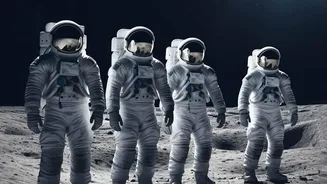
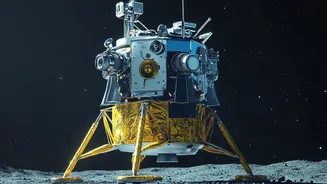
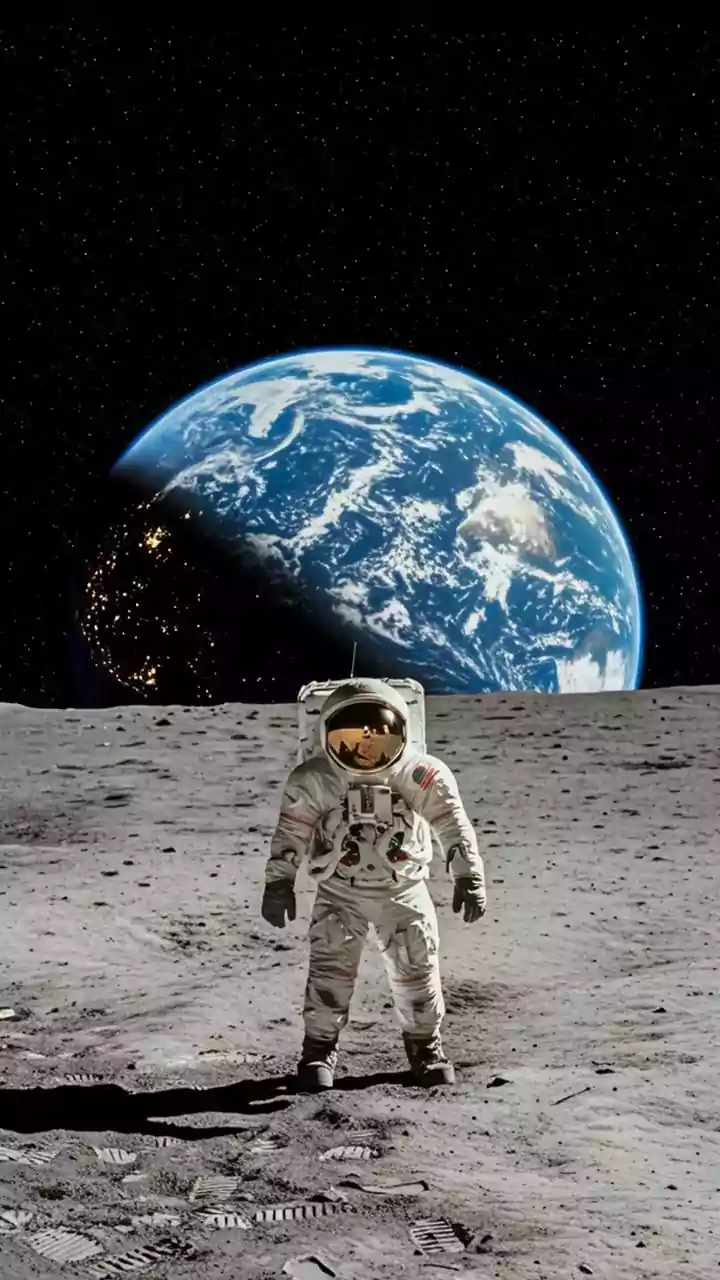
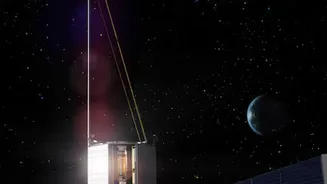
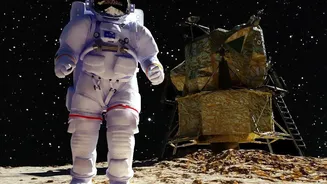
Before anyone can 'maintain' a presence on the Moon, we have to get there and build the initial outpost. This is where the most staggering costs lie. NASA's Artemis program, designed to achieve this, has a total projected cost of around $93 billion through
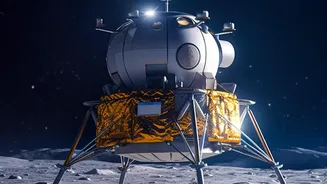
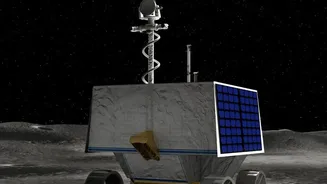
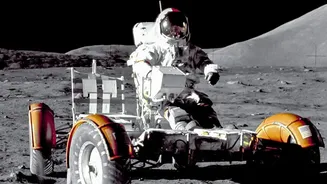
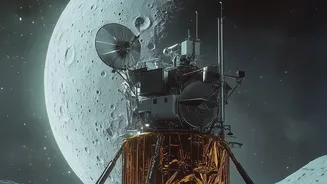
2025. Each launch of its powerful Space Launch System (SLS) rocket with the Orion capsule costs approximately $4 billion. NASA's separate plan to establish a permanent base has been estimated at an additional $20 to $30 billion for the initial construction and setup over several years. This initial investment covers the design, development, and manufacturing of landers, habitats, rovers, and the power systems necessary to survive the harsh lunar environment. These figures represent the foundational, non-negotiable entry fee for becoming a multi-planetary species.
The Costly Commute: Logistics
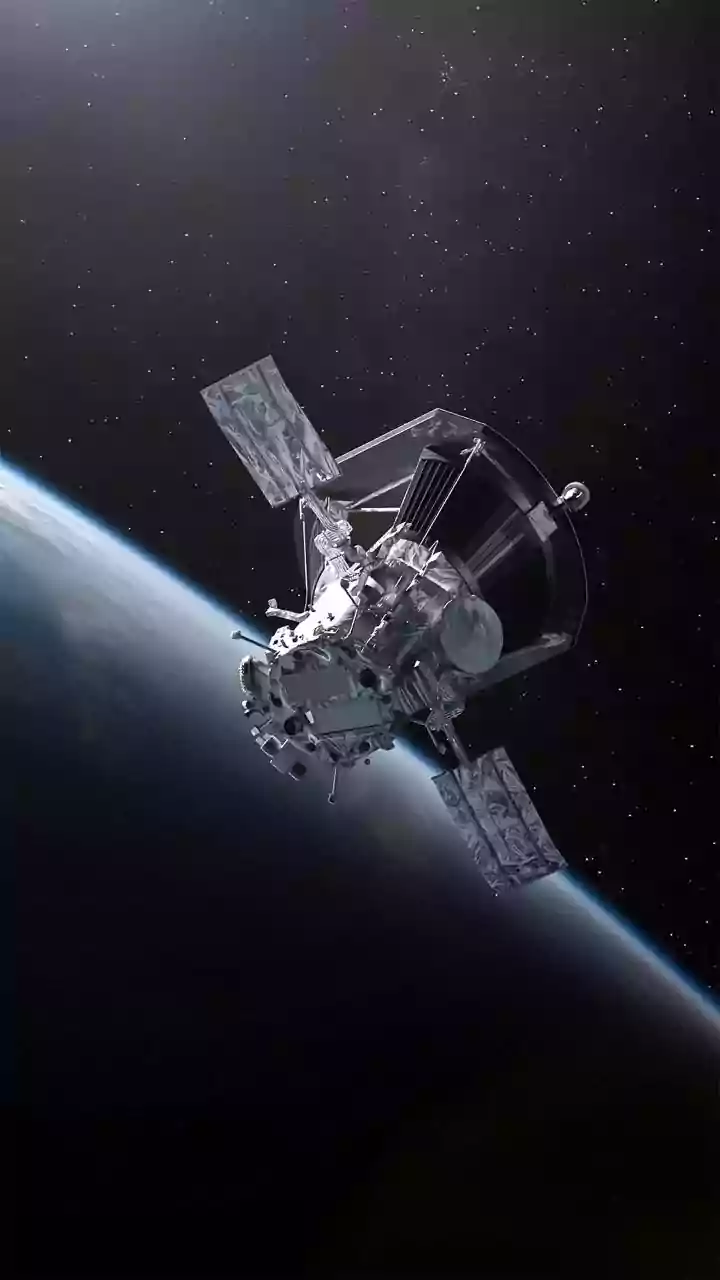
Once a base is established, it needs a constant stream of supplies. The single biggest ongoing cost is transportation. Think of it as the most expensive delivery fee in human history. The current cost to send cargo to the lunar surface is estimated at a staggering $1.2 million per kilogram. A base for just four people would require multiple supply runs per year. An older, but still relevant, 2009 study from the Center for Strategic and International Studies estimated that two crew rotations per year, along with cargo, would cost nearly $3 billion annually in launch services alone. Every spare part, every tool, and every packet of food must be launched from Earth, survive a 238,000-mile journey, and land safely. This relentless supply chain challenge is a massive driver of the annual operating budget.
Keeping the Lights On and the Air Breathable
On Earth, we take power, water, and air for granted. On the Moon, they are priceless commodities that must be engineered and maintained at great expense. A small base for six to eight people would require between 200-300 kilowatts of power, equivalent to what 40-60 homes on Earth use. This would likely come from solar arrays that must be transported and deployed. More critically, advanced life support systems are needed to recycle air and water, as shipping them continuously from Earth is not feasible. These closed-loop systems are complex and require constant monitoring and maintenance. Failure is not an option when a system malfunction could be fatal, meaning every critical component needs a backup, doubling or tripling mass and driving up transportation costs even further.
Annual Operations and Maintenance
Putting all the pieces together, what is the yearly bill? A 2009 study estimated the annual operating cost for a four-person base at about $7.35 billion, assuming it was occupied year-round. More recent estimates from 2024 suggest that maintaining a four-person crew could cost between $11 billion and $14 billion annually. These costs cover the crew rotations, cargo shipments, mission control support on Earth, communications, and the inevitable repairs. The lunar surface is a hostile environment, with abrasive dust that damages equipment and extreme temperature swings. Everything from spacesuit gloves to rover wheels will wear out and need replacement, adding to the recurring maintenance bill. While technologies like using local lunar resources (In-Situ Resource Utilization) could eventually lower these costs, the initial reliance on an Earth-based supply chain keeps the operational price tag astronomically high.