
From Festive Treat to Daily Habit
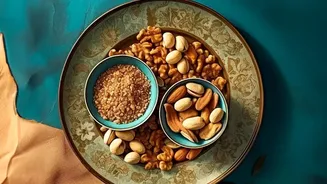
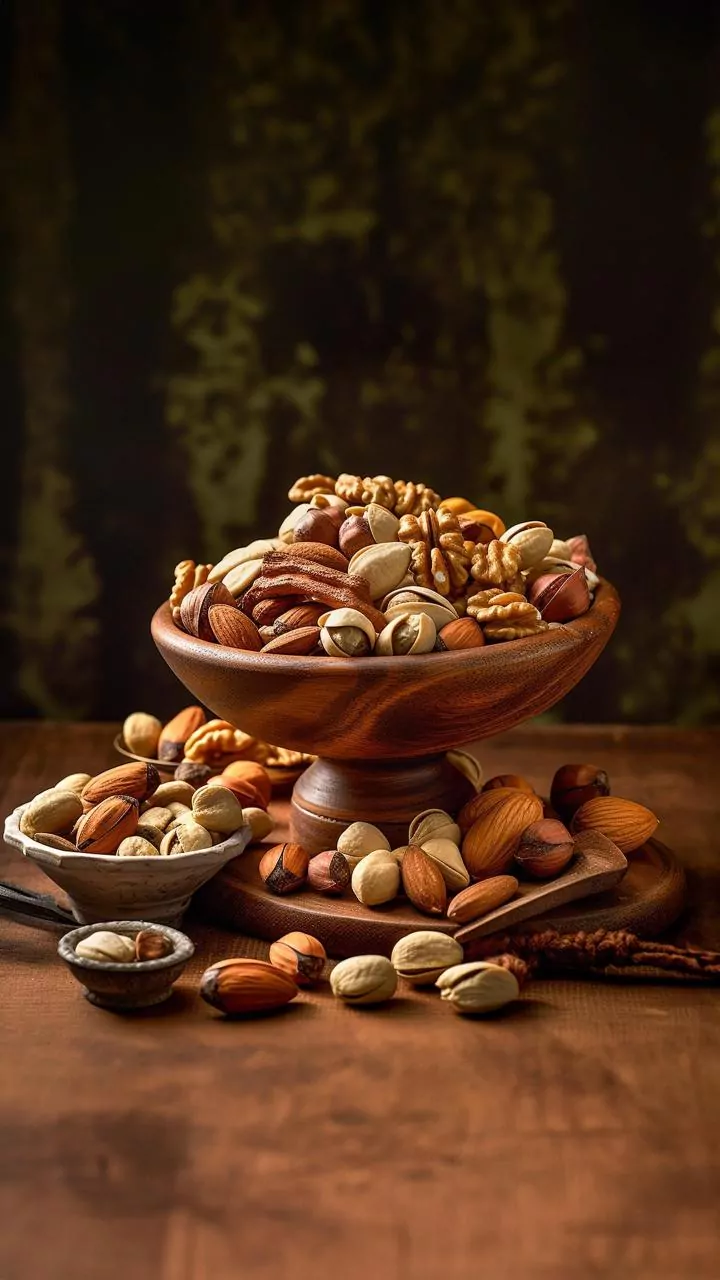
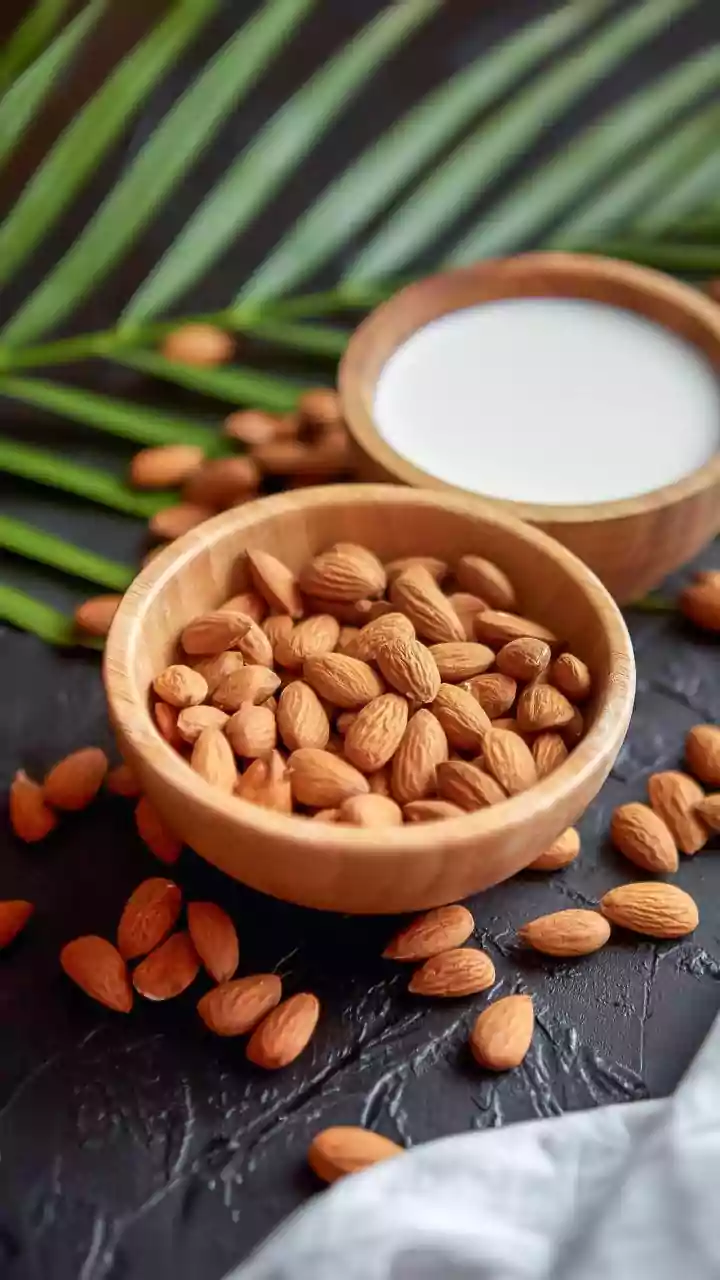
For generations, almonds, cashews, and walnuts were considered a luxury, reserved for festive sweets, special occasions, or as a show of wealth in rich curries. They were ‘mewa’, not an everyday snack. That perception is rapidly becoming outdated. Today,
these nuts, along with a growing variety of seeds, are moving from the decorative garnish bowl to the daily snack box. This transition is a significant marker of evolving consumer behaviour in India, where snacking is an integral part of daily life. The market for packaged nuts and seeds is booming, with projections showing it will reach nearly USD 6.9 billion by 2033, growing at a compound annual growth rate of over 10%.
The Powerful Pull of Health and Wellness
The primary engine of this trend is a massive shift towards health consciousness, accelerated by the post-pandemic focus on wellbeing. Indian consumers are reading labels more carefully than ever, actively seeking out foods that offer functional benefits beyond basic nourishment. Nuts and seeds fit this new paradigm perfectly. They are seen as natural, wholesome sources of protein, healthy fats, and fibre. In a 2024 survey, 58% of Indian consumers said they would opt for natural, wholesome ingredients like nuts and seeds for snacking. This aligns with a broader demand for 'clean-label' products—those with simple, recognisable ingredients and no artificial additives.
Convenience for the Modern Lifestyle
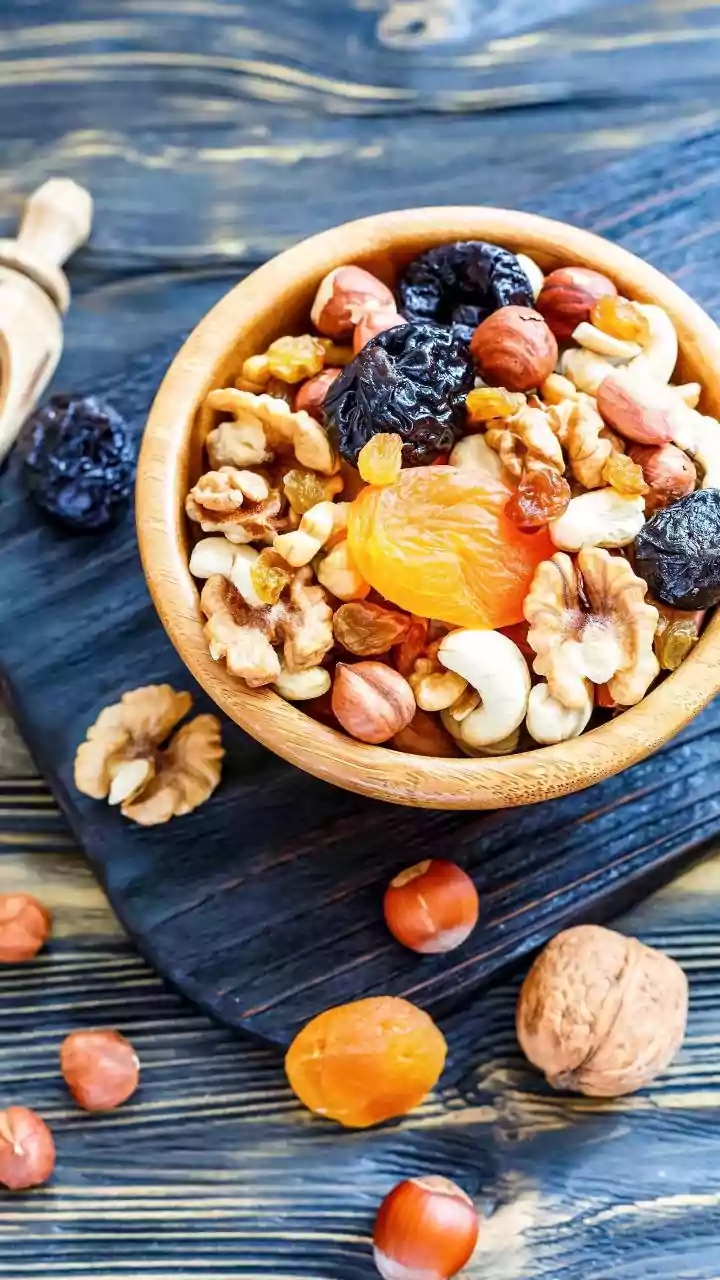
Health is only half the story; convenience is the other. Rapid urbanisation has led to busier schedules, making on-the-go snacking more of a necessity. Manufacturers have responded brilliantly. The market is now filled with single-serve pouches, roasted and flavoured varieties, and curated trail mixes that are easy to carry and consume anywhere. This easy availability through quick-commerce platforms means consumers can get their healthy snack fix delivered in minutes, replacing an impulsive purchase of chips or cookies with a more mindful choice. This combination of health and convenience is proving to be a winning formula, especially for millennials and Gen Z.
A Digital-First Snacking Revolution
The rise of direct-to-consumer (D2C) brands has played a crucial role in making nuts and seeds not just healthy, but fashionable. Companies like Farmley, Happilo, and True Elements have used savvy digital marketing, attractive packaging, and a focus on quality to build strong online followings. They offer a vast range of products, from simple roasted almonds to exotic trail mixes and flavoured seeds, catering to a wide spectrum of tastes. These brands have created a new narrative around nuts, positioning them as an aspirational yet accessible part of a modern, healthy lifestyle, and driving significant growth in the online retail space.
Beyond Almonds and Walnuts
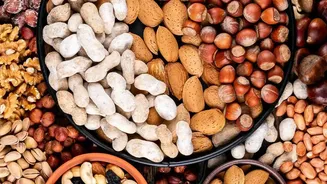
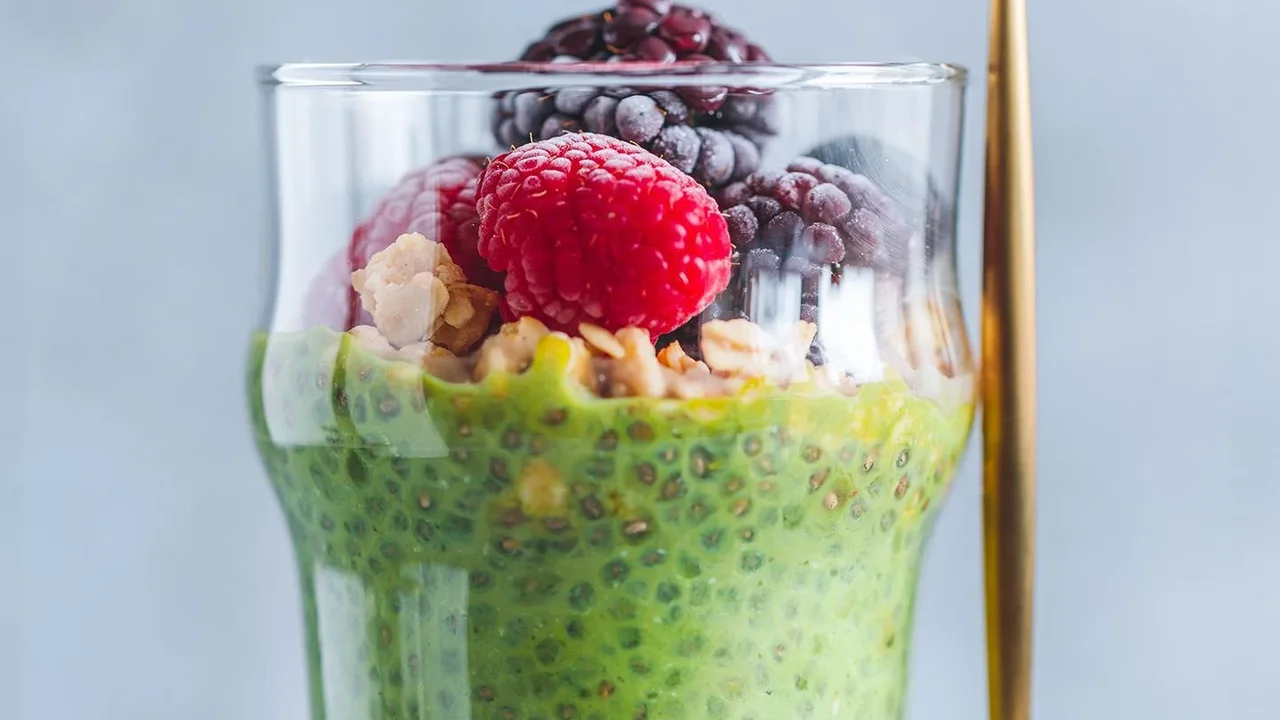
The market has expanded far beyond the traditional trio of almonds, cashews, and walnuts. Seeds, once a niche category, are now seeing the fastest growth. Pumpkin seeds, sunflower seeds, chia seeds, and flaxseeds are becoming household staples, often consumed as part of a mix or sprinkled over other foods like oats and yoghurt. This diversification extends to product formats as well. Nut butters are replacing sugary chocolate spreads, and energy bars made from nuts and dates are becoming a popular guilt-free treat. Even traditional snacks are getting a nutty makeover, with products like makhana (fox nuts) and millet-based snacks gaining popularity as crunchy, protein-rich alternatives to fried options.