







The Final Stretch of Construction
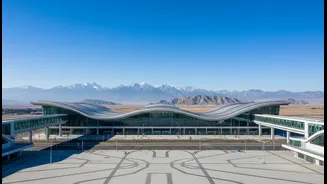
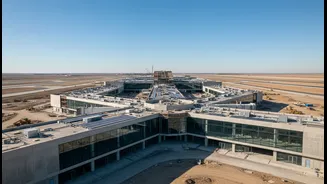
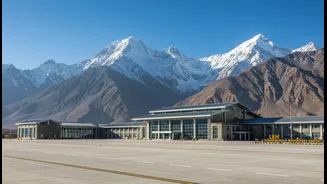
The new integrated terminal building at Leh's Kushok Bakula Rimpochee Airport has reached 83% physical completion, according to a recent announcement by the Civil Aviation Minister. This milestone marks a significant step forward for a project that aims
to transform the travel experience in this strategically vital Himalayan region. While winter conditions and the pandemic caused earlier delays, authorities are now pushing to accelerate the final phases of work, with a target completion date set for as early as the end of July 2026. The project, which began in 2019, is a cornerstone of the central government's initiative to modernise aviation infrastructure nationwide.
A Major Leap in Capacity and Comfort
The primary goal of the new terminal is to solve the long-standing issue of congestion. Once operational, the airport's flight handling capacity is set to triple, from the current 18 flights per day to as many as 54. This will allow for a dramatic increase in connectivity with major Indian cities like Delhi, Mumbai, and Chandigarh. For passengers, this means more choice and potentially lower fares. The terminal itself is designed to handle a peak-hour capacity of 2,000 passengers and up to 3.5 million passengers annually, a huge jump from the current 1.19 million. The new facilities will include up to 20 check-in counters, an modern inline baggage system, 15 lifts, 12 escalators, and three aerobridges to make boarding and deplaning faster and more comfortable, a crucial factor at an altitude of over 10,600 feet.
Sustainable Design at High Altitude
Beyond its size, the new terminal is notable for its innovative and sustainable design. It is set to be India's first airport to be powered by a hybrid system of geothermal and solar energy. A large-scale geothermal system will be used for heating the building, a first for the country, which is essential in Leh’s harsh winter climate. This, combined with a 700 kWp rooftop solar power system, aims to make the building energy-efficient and reduce its carbon footprint. The architectural design will also reflect the local culture, incorporating Buddhist motifs to give travellers a sense of arrival in Ladakh from the moment they step off the plane.
Boosting Ladakh's Tourism and Economy
The impact of the new terminal extends far beyond the airport's boundaries. Improved air access is expected to provide a significant boost to Ladakh's tourism-dependent economy, which has faced challenges due to connectivity issues. Local stakeholders, from hotel owners to tour operators, have long advocated for increased flight capacity to support their businesses. The expansion will not only make it easier for tourists to visit but also support the region's strategic needs. With the ability to handle a much higher volume of travellers smoothly and efficiently, the new terminal is poised to unlock a new era of growth and accessibility for this breathtaking part of India.