



The Golden Rule: Ditch the Rigid Itinerary
The most important shift for a successful monsoon trip is mental. Instead of a fixed, day-by-day schedule, think in terms of a 'hub-and-spoke' model or a 'Zone A/Zone B' approach. Choose a primary destination but have a well-researched backup 3-4 hours
away in a different micro-climate. Heavy rains in the high ghats? Pivot to a less intense coastal route. This mindset turns a potential disruption into a new chapter of your adventure. The goal is to have options, not a rigid checklist. This approach also allows you to take advantage of sudden spells of good weather, making spontaneous decisions to visit a viewpoint or take a scenic detour without feeling like you're falling 'behind schedule'.
Western Ghats: A Classic Circuit with Options
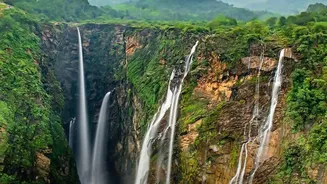
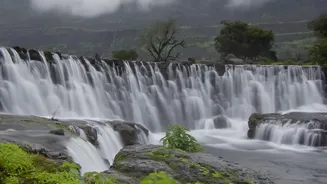
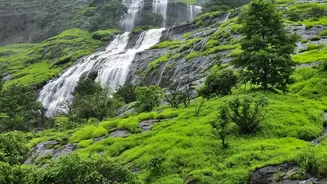
The Mumbai-Pune-Lonavala circuit is a monsoon classic for a reason, with lush greenery and countless waterfalls. But this popularity means traffic and overcrowding can be an issue. A flexible plan here is essential. Your 'Plan A' might be Lonavala, but keep Bhandardara or Malshej Ghat as your 'Plan B'. If you hear reports of major traffic jams on the expressway to Lonavala, you can quickly pivot. A great strategy is to start from Mumbai or Pune and make your first stop based on real-time traffic and weather updates. If Lonavala is clear, enjoy Bhushi Dam. If not, the drive to the serene Arthur Lake in Bhandardara offers a different but equally stunning experience.
Rajasthan: The Green Pivot
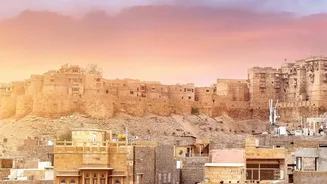
Rajasthan in the monsoon is a surprisingly lush and rewarding experience. The Aravalli hills turn a vibrant green, and the lakes in Udaipur are full and shimmering. Your primary plan could be the romantic city of Udaipur. However, if forecasts predict exceptionally heavy downpours that might lead to local waterlogging, have Mount Abu as your alternative. As Rajasthan's only hill station, it offers a distinct misty charm. The drive between these locations is itself a treat, with the landscape transformed by the rains. This flexibility means that even if one city is experiencing a deluge, your trip can continue in a beautiful, albeit different, setting just a few hours away.
Southern Charm: The Coffee Country Shuffle
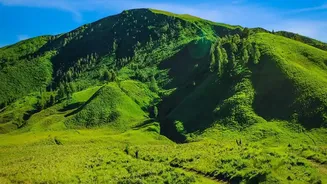
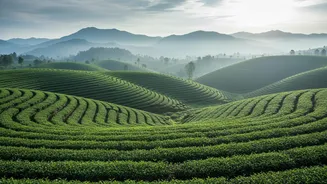
The coffee plantations of Karnataka are a paradise during the rains. A popular route is from Bengaluru to Coorg (Kodagu). The journey is filled with misty hills, fragrant coffee estates, and roaring waterfalls like Abbey Falls. But Coorg can experience intense rainfall. Your flexible alternative? The neighbouring district of Chikmagalur. While still a part of the rainy Western Ghats, weather patterns can differ significantly between the two. One might be getting a continuous downpour while the other has intermittent showers perfect for exploration. By keeping your hotel bookings flexible, you can check the forecast the day before and decide whether to stick with Coorg or divert to Chikmagalur to trek Mullayanagiri Peak.
Your Monsoon Tech Toolkit
Flexibility is powered by information. Before you go, download a few key apps. For weather, the official 'Mausam' app from the IMD is highly reliable for local forecasts and warnings. Apps like Skymet Weather and AccuWeather are also excellent for getting hyper-local, real-time updates. For road conditions, check the social media handles of local and state traffic police, who often post updates on closures or diversions. Finally, use hotel booking apps that offer free cancellation or 'book now, pay later' options. This is the single most powerful tool in your flexible travel arsenal, allowing you to change plans without financial penalty.
Smart Packing for Unpredictable Weather
Your packing list should reflect your flexible strategy. Prioritise quick-dry clothing made from synthetic fabrics over cotton, which takes forever to dry in humid conditions. A lightweight, foldable raincoat is more versatile than a heavy jacket. Always pack a sturdy, wind-resistant umbrella. A crucial item is a waterproof bag or pouch to protect your electronics and documents when you're caught in a sudden shower. Pack slip-proof footwear, as paths can get muddy and treacherous. Having a 'wet bag' (even a simple plastic one) to isolate damp clothes from dry ones is a small trick that makes a huge difference.